









































































































VIP chauffeur service is the standard RideRutz.com applies when a client is hosting someone whose visit matters: a keynote speaker, a visiting investor, a recording artist, a head of a delegation, an honoured guest at a gala. It combines a first-class vehicle, a name-board meet and greet, a chauffeur briefed on the guest's name, title, language and preferences, and a coordinator who holds the whole visit - arrival, hotel, engagements, departure - as one file.
Hosting is a different job from travelling
When a company moves its own executive, the executive knows the plan and can forgive a small gap. When a company hosts a guest, the guest knows nothing and forgives nothing, and every gap is the host's. The VIP service is designed for that asymmetry. Its unit is not the journey or the hour but the visit, and its measure of success is that the guest never once wonders how they will get to the next place.
The service therefore starts before the guest lands. The host's coordinator gives RideRutz.com the guest's name and how it is pronounced, their title and how it is used, their language, dietary and seating preferences if known, whether they travel with an assistant or a protection officer, the flight, the hotel and the engagements. The chauffeur assigned is briefed on all of it, speaks the guest's language where the city allows, and meets the guest inside the arrivals hall with a name board printed in the correct script and the host's logo if the host wishes it. From that moment the guest is handed from one known person to another until the departure gate.

What the visit file contains
| Element | Standard |
|---|---|
| Meet and greet | Inside the arrivals hall or at the FBO ramp; name board in the guest's script; assistance with luggage and, where permitted, with immigration fast-track arrangements the host has made |
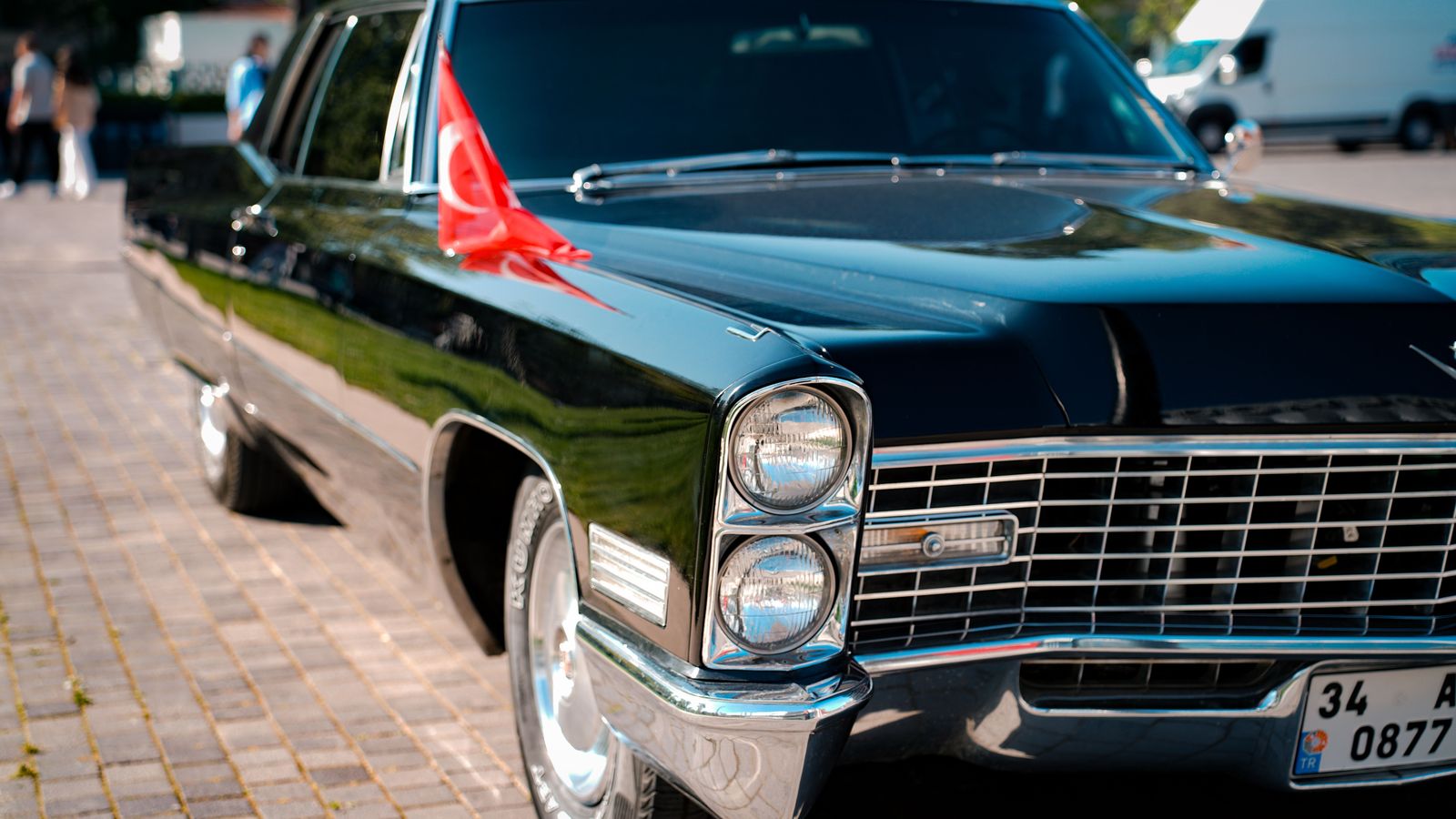
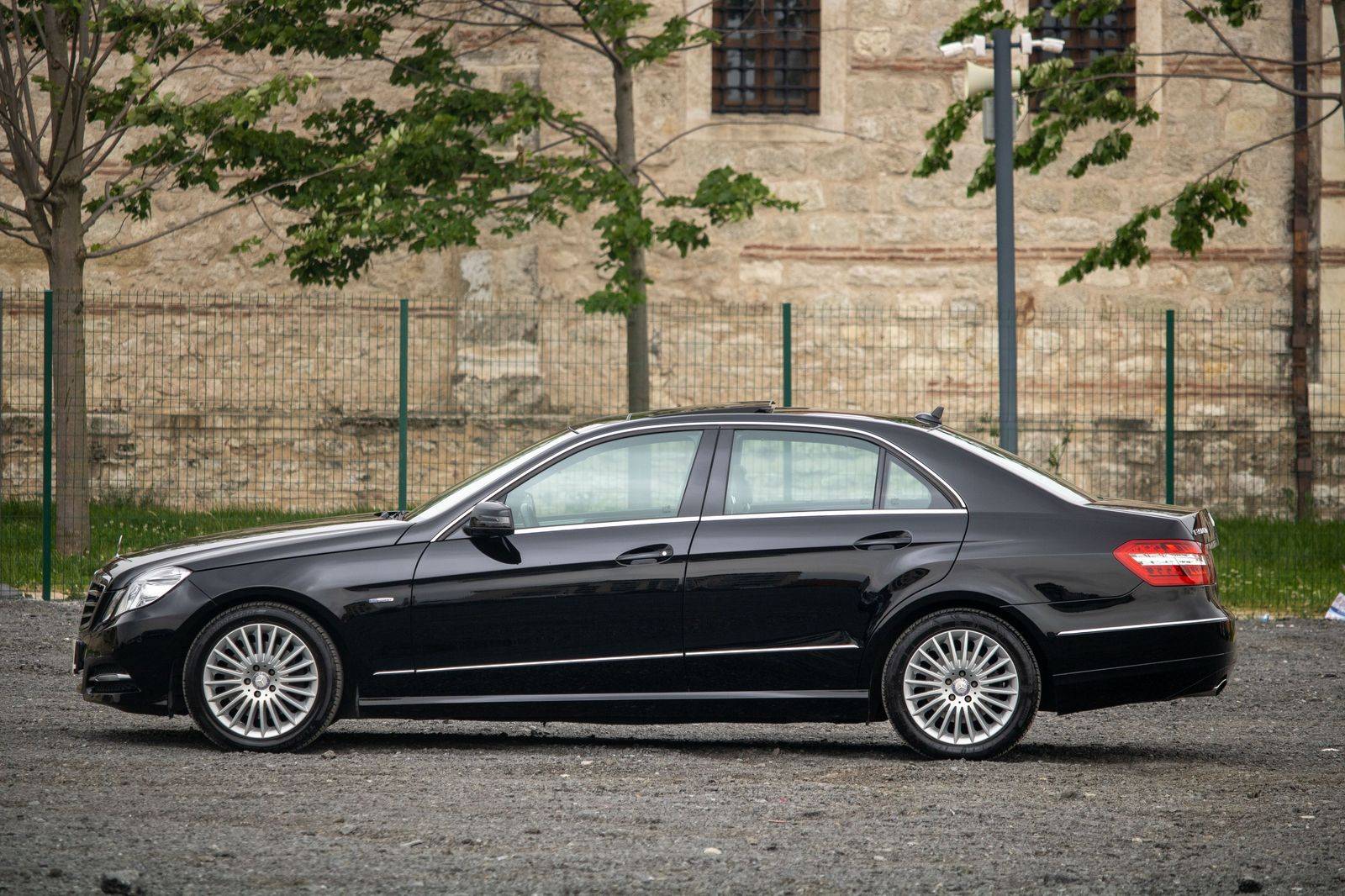
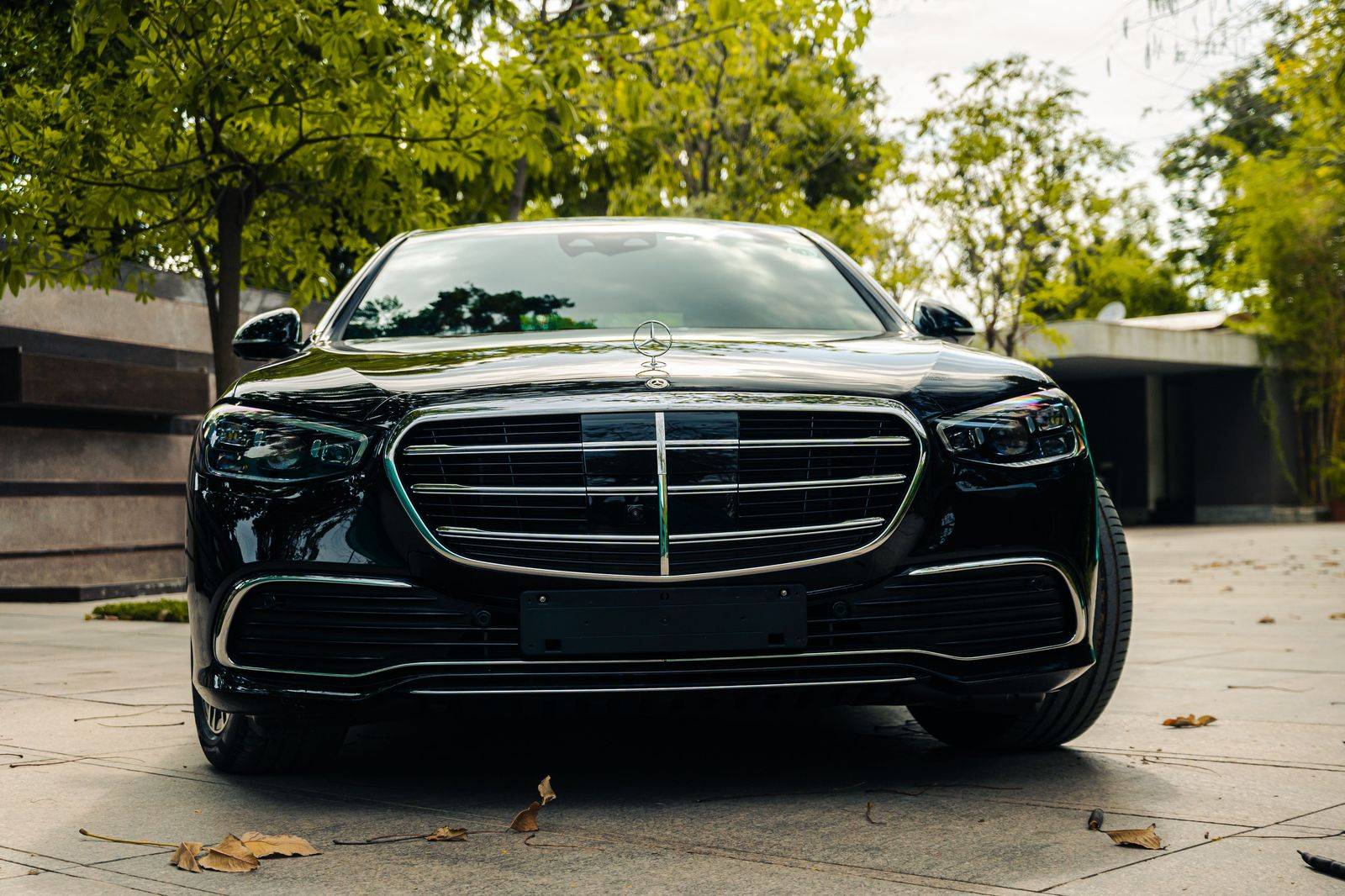
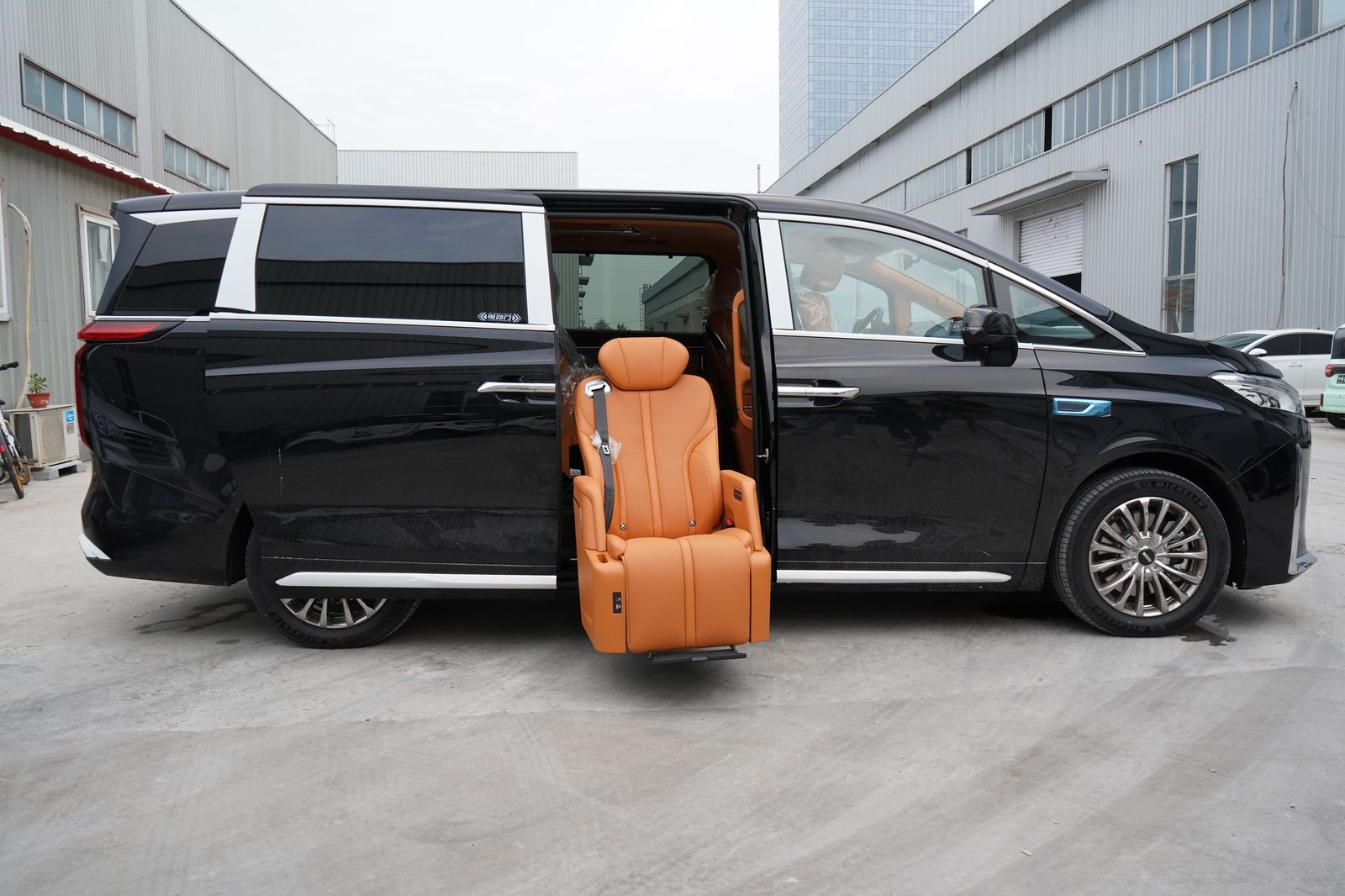
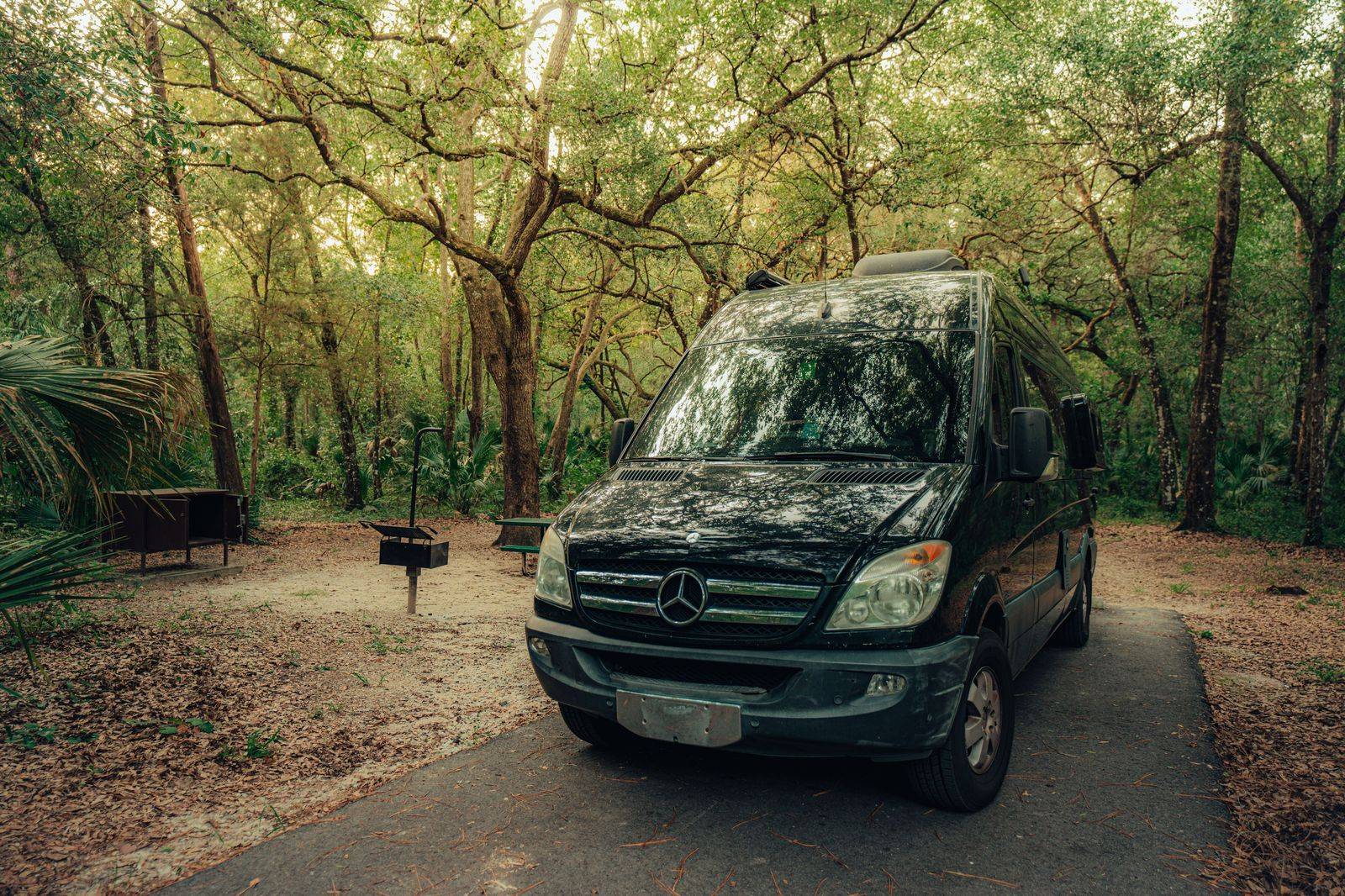
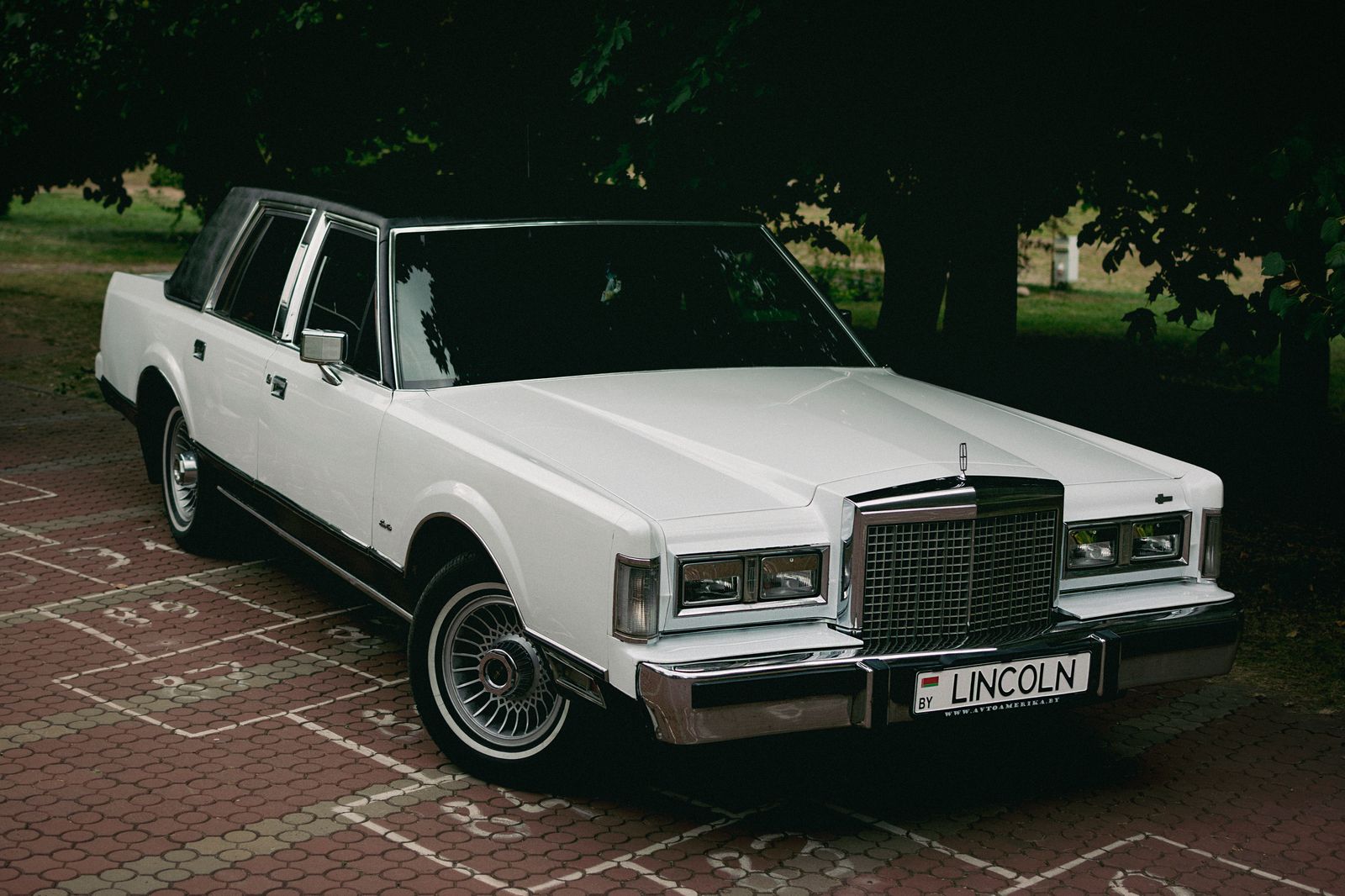
| Vehicle | First-class sedan or executive SUV, black, detailed that morning; luxury van for a guest with an entourage |
| Chauffeur | Briefed on name, title, language, preferences; protocol-trained; same chauffeur for the visit wherever rostering allows |
| Cabin | Water, the day's newspaper in the guest's language, phone charging, temperature set; gifts or documents from the host placed on the seat if requested |
| Engagements | Hourly engagements with arrival timings coordinated with each venue's front-of-house or protocol office |
| Evening | Gala, dinner or performance handled to the event standard: arrival window, carpet or private entrance, waiting for the evening |
| Departure | Hotel to the correct terminal or FBO with time for lounge or fast-track; chauffeur confirms the guest is airside before standing down |
| Coordinator | One name and number for the host, awake in the host's time zone, who can reach the chauffeur in seconds |
Who is hosted this way
Corporate hosts book the VIP service for visiting clients, investors on a due-diligence visit, regulators, board candidates and the executives of a company being acquired, usually on a corporate account coded to the matter. Event organisers and agencies book it for keynote speakers, honourees, judges and the principals of sponsoring companies - the conference and summit page covers the multi-guest version. Record labels, studios, publishers and management companies book it for artists and talent on promotional visits, where the press schedule is the itinerary. Embassies, ministries and international organisations book it for visiting officials below the level at which a formal diplomatic motorcade applies. Universities and foundations book it for laureates and honorary graduands. And private hosts book it for a guest at a wedding, a milestone birthday or a festival.
Discretion
VIP guests are often people whose presence in a city is news. The chauffeur's protocol training covers exactly this: no photographs, no social media, no mention of the guest to anyone including other RideRutz.com chauffeurs, no confirmation of the guest's presence to anyone who asks at a hotel or venue, and a discreet-entrance plan at each engagement worked out with the venue in advance. Vehicles are unbranded and registration numbers are not shared beyond the confirmation. Where a guest travels with their own security, the security-trained chauffeur is assigned and the protection team briefs the route.
The evening
Most VIP visits include an evening that is the reason for the visit: a gala, an award, a premiere, a state dinner. That evening is handled to the event standard described on the gala and event transportation page - the organiser's arrival window is met to the minute, the car approaches on the staging route, the chauffeur knows whether the guest is stopping on the carpet or using the private entrance, and the car then waits for the whole evening so the guest leaves when they choose. The worldwide gala calendar lists the evenings for which we plan VIP visits every year.
Worldwide
The VIP standard is written into the specification every RideRutz.com affiliate works to, so a host in Toronto can arrange a guest's visit to Seoul, Nairobi or Buenos Aires with the same file, the same coordinator and the same expectations. Local chauffeurs are chosen for language as well as vetting: a Mandarin-speaking chauffeur in Vancouver, an Arabic-speaking chauffeur in London, a Japanese-speaking chauffeur in Paris where the guest asks for one. The destinations page lists the cities, and the airport chauffeur service page describes the arrival procedure at each. For a guest arriving by private aircraft, the private jet and FBO page explains the ramp-side handover.
Arranging a VIP visit
A single-journey VIP pickup is booked on the reservation engine in the first-class class with the meet-and-greet option added. A visit - arrival, engagements, evening, departure - is planned by a coordinator from a brief, with a written quote within a working day. Send the brief with the guest's details, the dates and the engagements, and add the travel desk if the flights and hotel are to be arranged and invoiced together. Hosts new to protocol may find the motorcade and protocol etiquette guide useful on precedence and seating; the U.S. Department of State (Office of the Chief of Protocol) and its counterparts publish the conventions on which it is based.
A VIP visit, hour by hour
Day one, 15:40. The guest's flight is tracked from departure; the chauffeur is at the arrivals hall forty minutes before the revised landing time with the name board. The host's meet-and-assist agent walks the guest through immigration to the hall, where the chauffeur takes over, takes the luggage and leads the guest to the vehicle parked in the pre-arranged bay. In the car: water, the host's welcome letter and the evening's programme on the seat. The chauffeur confirms the hotel and the drive time and says nothing else unless the guest wishes to talk.
Day one, 19:30. The chauffeur collects the guest from the hotel for the host's dinner, having confirmed the venue's private entrance with the restaurant that afternoon. The car waits outside for the evening.
Day two. An hourly engagement from 08:30: a keynote at a conference centre, where the chauffeur has agreed the stage-door drop with the venue's front-of-house; two press interviews at a hotel; a lunch; a site visit; a rest at the hotel; and the gala, for which the organiser's arrival window is 18:50 to 19:05. The car approaches on the staging route, the guest stops on the carpet for four minutes and the car is repositioned to the departure lane, where it waits until the guest leaves at 23:40.
Day three, 09:00. The chauffeur collects the guest and their luggage, confirms the terminal and the check-in, delivers the guest to the departures kerb or the FBO, and waits until the host's agent confirms the guest is airside before standing down. The coordinator closes the file and sends the host one invoice.
Gifts, documents and small kindnesses
Hosts often want something waiting in the car: a welcome note, a gift, a briefing pack, flowers for a guest's spouse, a child's car seat for a family. The coordinator arranges it and the chauffeur places it. Hosts also often want to know things the guest will not say: whether the guest was tired, whether the hotel was right, whether the guest mentioned anything the host should know. The chauffeur does not report on the guest - the confidentiality undertaking runs to the guest as much as to the host - but will pass on anything the guest asks to have passed on.
Recognition and privacy
Some guests want to be recognised at the venue and some want to be invisible until they choose to be seen. The file records which, and the plan for each venue follows it: the carpet or the private entrance, the lobby or the service corridor, the name board or the kerbside nod. Where a guest is a public figure, the celebrity transportation standard applies, with decoy and departure planning; where the guest holds office, the diplomatic chauffeur service standard applies, with precedence and flag conventions. Event organisers planning arrivals for several honoured guests should read the gala transport planning guide. Conventions on precedence for official guests are published by protocol offices such as Global Affairs Canada, and our coordinators apply them where the host asks.
Cost and quotation
A VIP pickup is priced as a first-class transfer with the meet-and-greet option, shown on the reservation engine before you confirm. A full visit is quoted as a written programme - each transfer and each hourly engagement listed with its rate, the coordinator's time included, tolls and parking at cost - so the host can approve it once and see it once on the invoice. Hosts on a corporate account have the visit coded to the client matter or the event budget. Where several guests are hosted for the same event, the programme is planned as one file with one coordinator and one invoice, whatever the number of vehicles, and the conference and summit transportation page describes how arrivals are sequenced when a dozen guests land within an hour of one another. The FAQ covers deposits, changes and cancellation windows for planned programmes.