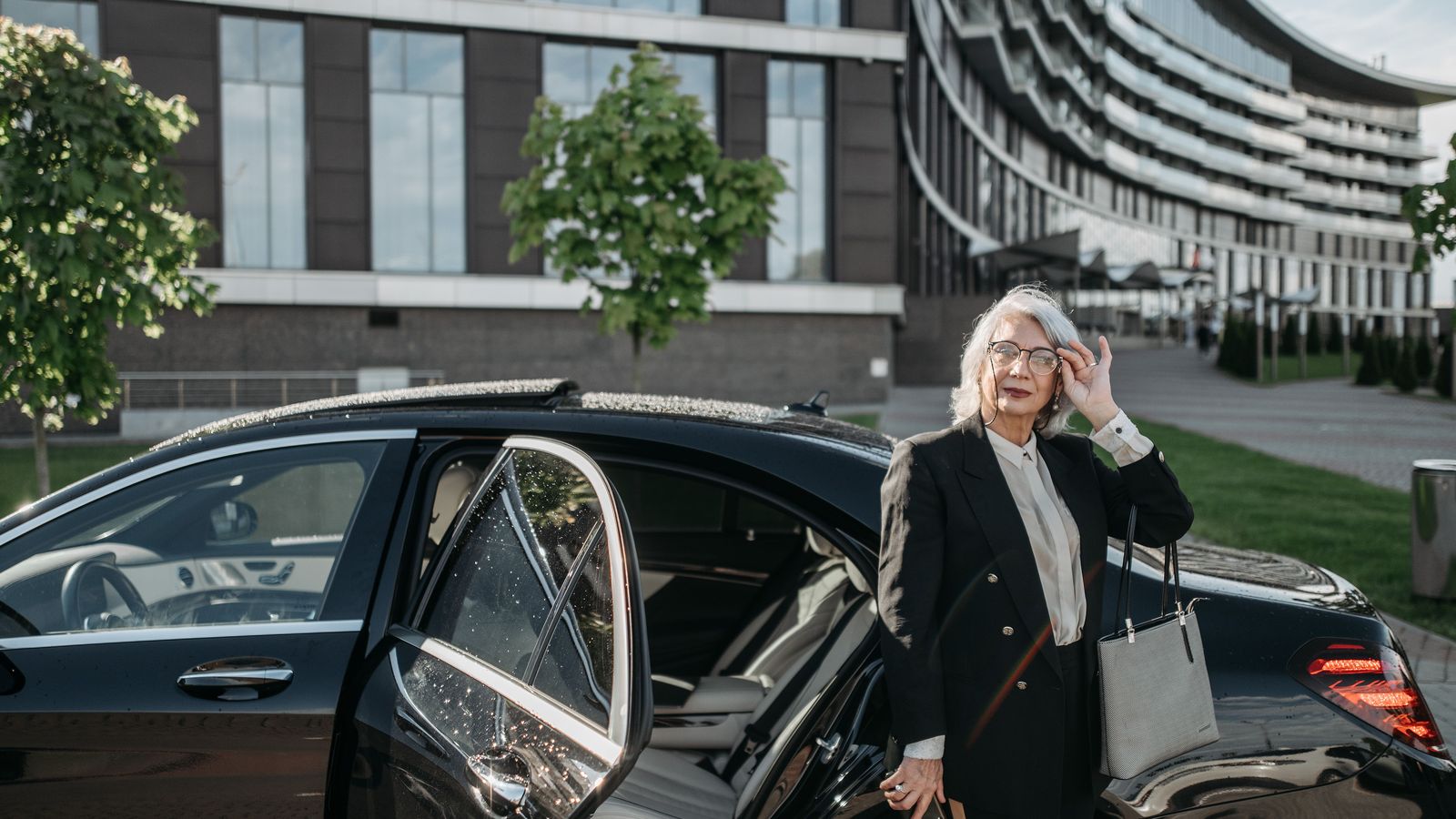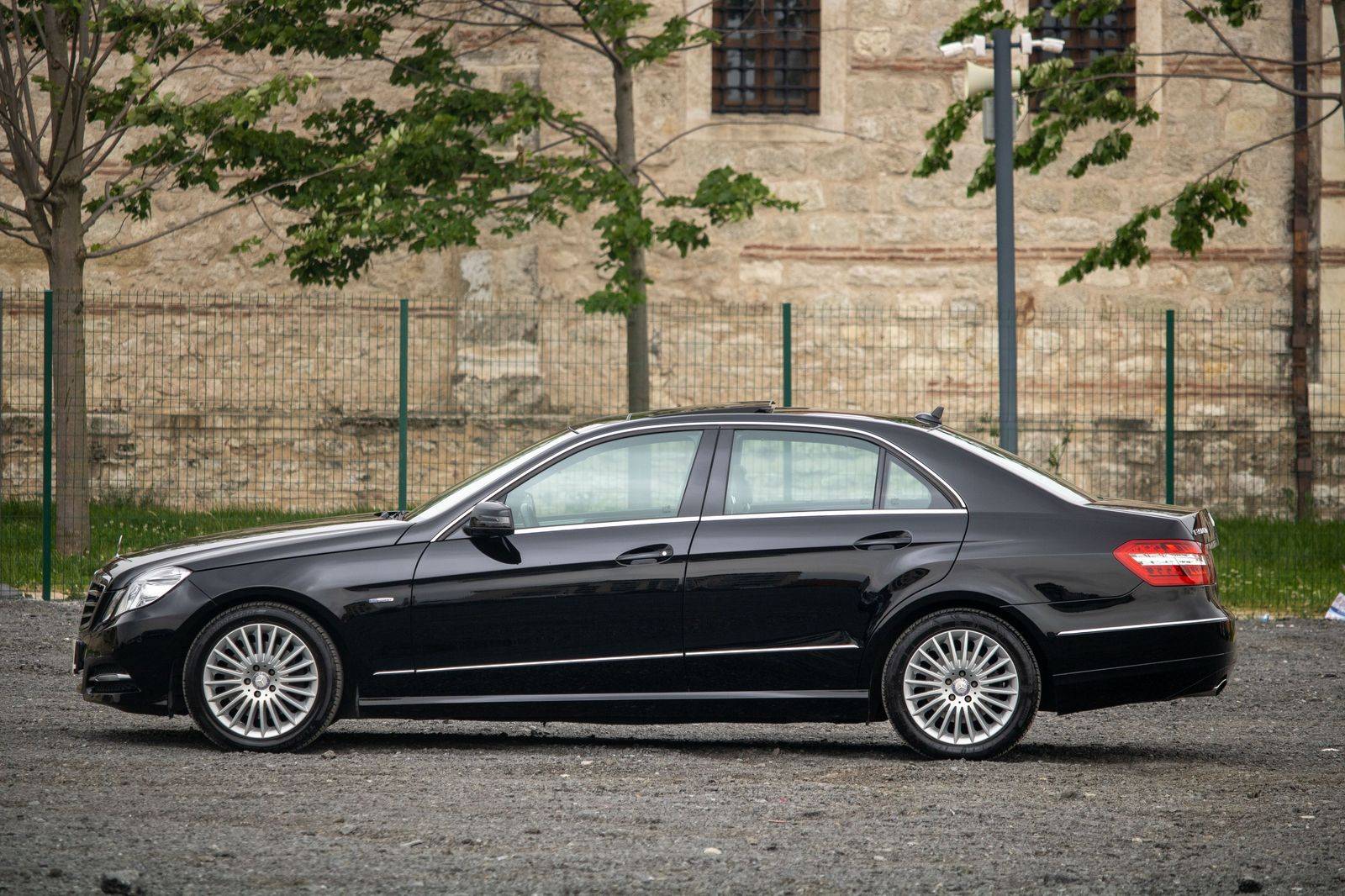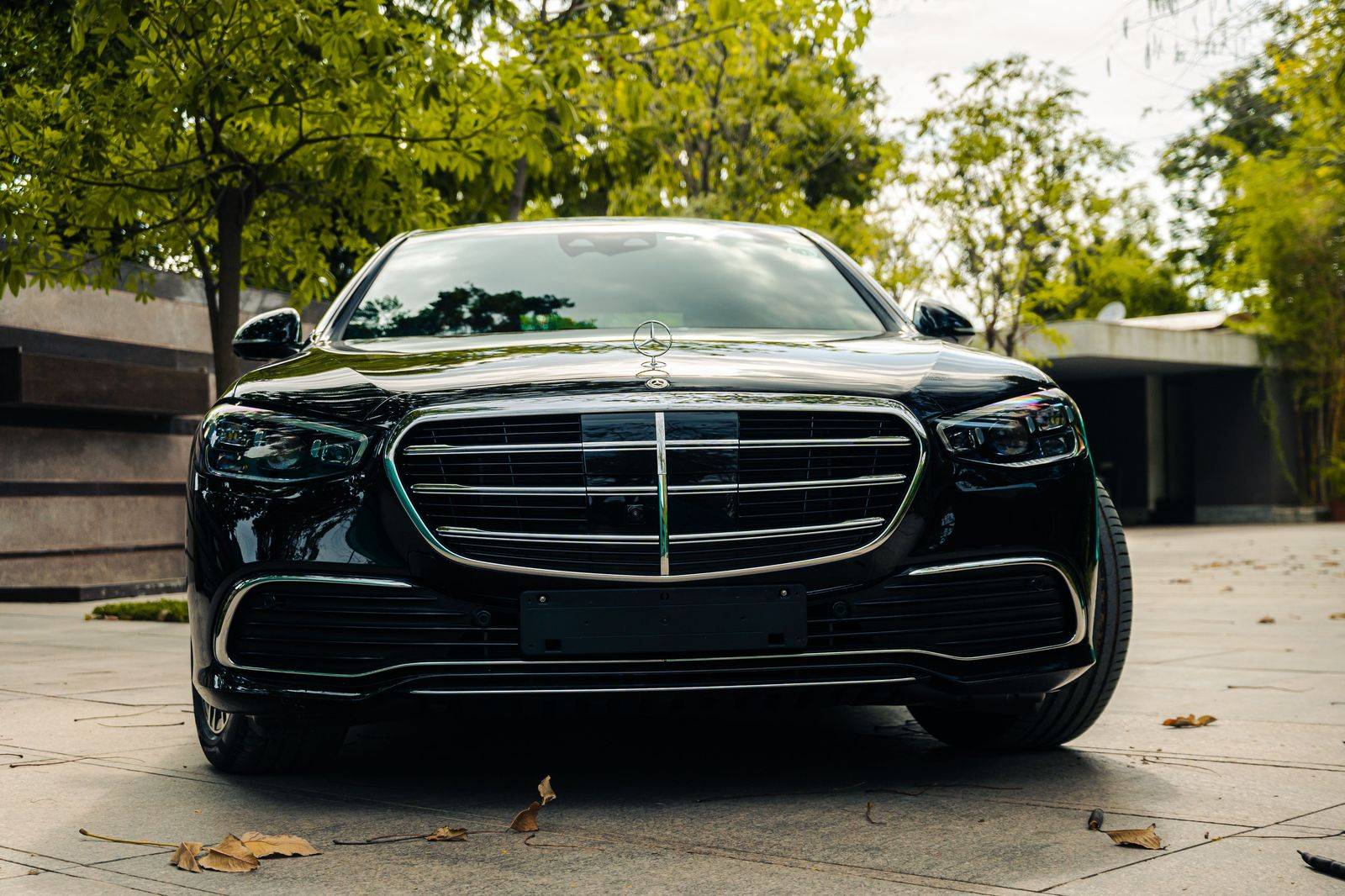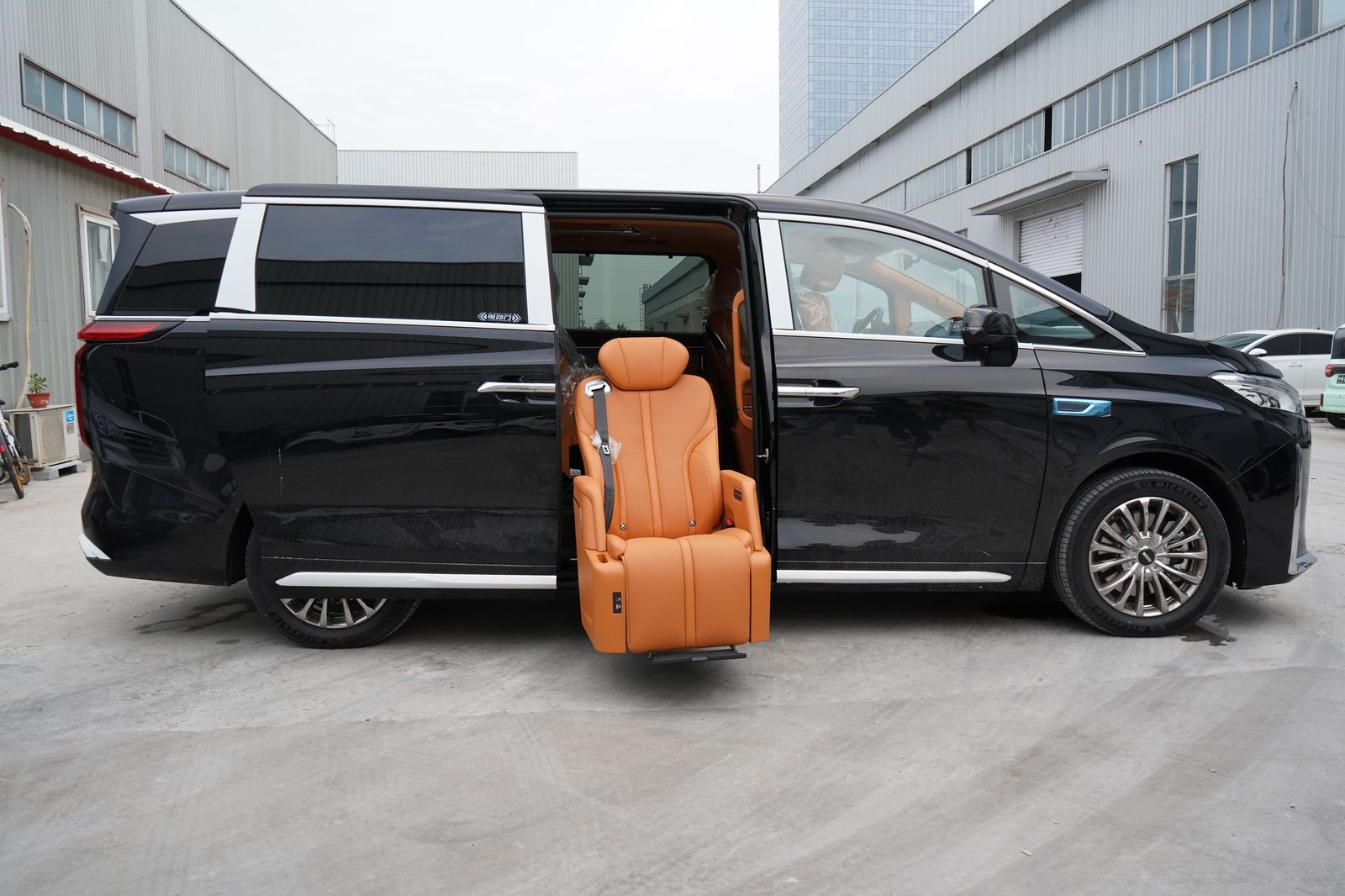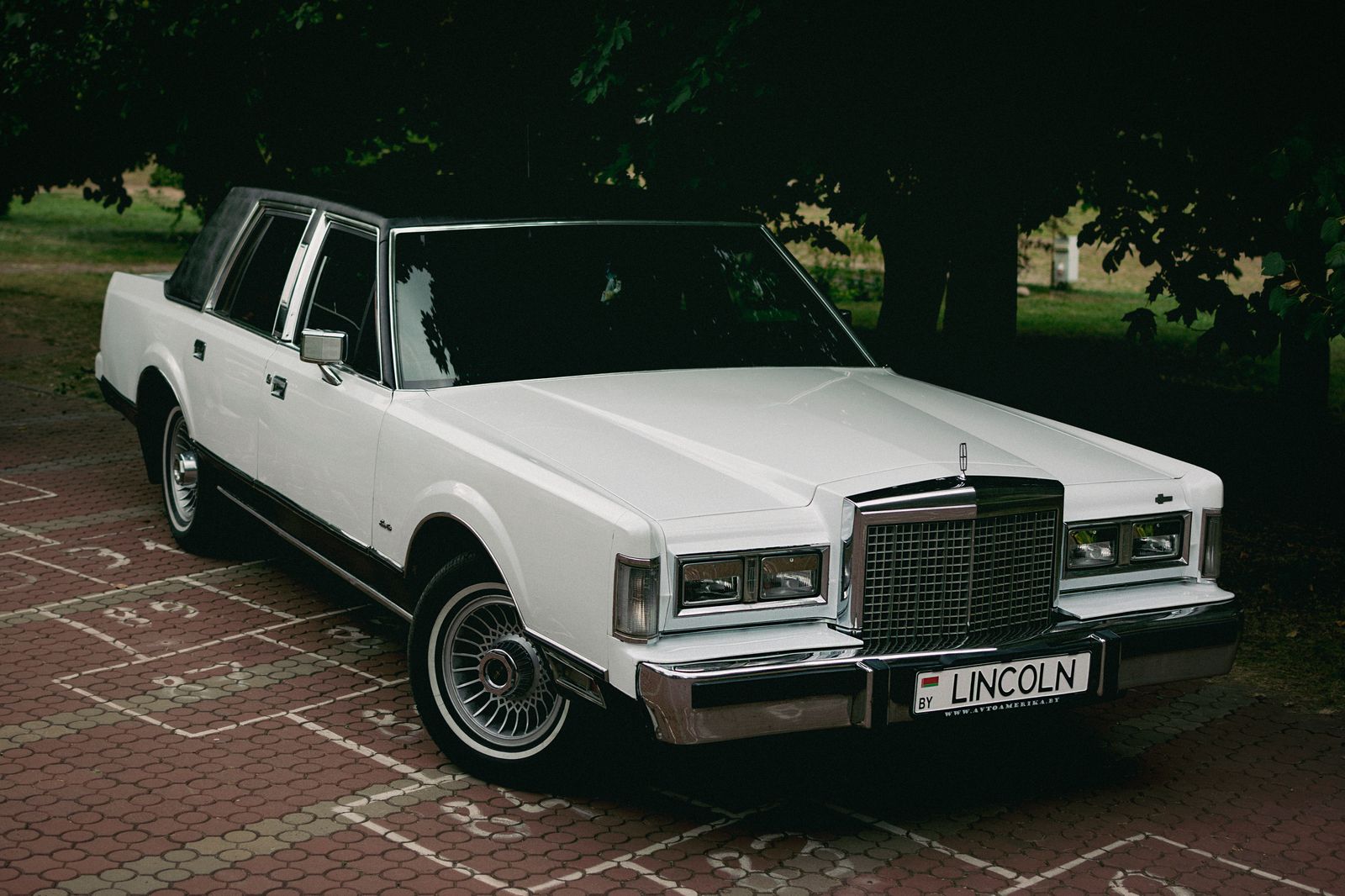










































































































Hourly chauffeur service is a chauffeur and a vehicle reserved for a block of hours rather than for a single journey. The car stays with you, goes where you direct it, waits while you are inside and moves on when you come out. RideRutz.com books it by the hour at a fixed rate that includes the chauffeur, the vehicle, fuel, waiting and gratuity, with a minimum of two hours in most cities and no cap on how long the day runs.
Who books by the hour, and why
The hourly engagement is the product RideRutz.com was built around, because it is the one most corporate travel actually needs. A visiting executive rarely makes one journey in a city. She makes six: the hotel to a breakfast, the breakfast to a client, the client to a site, the site to a second client, the second client back to the hotel to change, the hotel to dinner. Booked as six point-to-point transfers that day is six chauffeurs, six confirmations, six chances of a late car and six receipts. Booked as one hourly engagement it is one chauffeur who learns her name at 07:30, knows where the meetings are, has the umbrella out before the rain and is at the kerb when the dinner ends.
The same logic applies to a board that wants to move between two venues without losing anyone, a legal team shuttling between the client's office and the deposition, a production unit with a talent call sheet, an ambassador with a day of calls across a capital, and a family with a wedding to attend on the other side of a city they do not know. In every case the point is that the vehicle is directed, not dispatched: the passenger decides the next stop, and the chauffeur is already there.

What the hourly rate includes
The rate the reservation engine shows for an hourly booking is the whole cost of the hour. There is no separate waiting charge, because waiting is what an hourly car is for. There is no mileage supplement within the city, no fuel surcharge and no gratuity added at the end, because all three are built into the rate. Tolls and parking incurred on your instructions are the only additions, and they are itemised on the receipt at cost.
| Included in every hourly rate | Charged at cost, itemised |
|---|---|
| Chauffeur and vehicle for the hours booked | Tolls and bridge charges on the route you direct |
| Unlimited stops and waiting within the engagement | Parking at venues that charge for it |
| Fuel, insurance, cleaning and detailing | Extension beyond the booked hours, at the same hourly rate |
| Gratuity | Out-of-city excursions, quoted before departure |
| Bottled water, phone charging, Wi-Fi where the vehicle has it | |
| A dispatcher who can reach the chauffeur at any moment |
The two-hour minimum exists because a chauffeur committed to an engagement cannot be given other work, and the first hour of any day is spent getting to you and learning the plan. Beyond the minimum the engagement is billed to the quarter hour, and an engagement that overruns is simply extended at the same rate - the chauffeur will not leave a passenger in the middle of a day because the booking said four hours. The rates guide sets out typical hourly rates by vehicle class and city tier.
How an hourly day is run
The day before, your coordinator or the reservation engine sends the chauffeur's name, mobile number, vehicle and registration, together with the itinerary as you have described it. The itinerary is a plan, not a contract: an hourly booking with three addresses and a start time is enough, and the rest can be decided in the car. The chauffeur arrives fifteen minutes before the start time, confirms the first destination and drive time, and thereafter takes direction from the passenger or from whoever the passenger nominates - an assistant on the phone, a protocol officer, a tour manager.
Between stops the chauffeur waits where the vehicle can be reached quickly and legally: a hotel forecourt, a loading bay agreed with a building's security, a side street with the engine off. In cities that restrict idling or waiting on the street, the chauffeur circulates and returns on a message, which is why the passenger receives the chauffeur's number and not only the desk's. If the schedule changes, the passenger tells the chauffeur and the chauffeur tells dispatch; if the day runs long, the engagement runs long. At the end, the receipt shows the hours, the stops, any tolls and parking, and nothing else.
Corporate hourly programmes
Organisations that book hourly engagements regularly move them onto a corporate account, which adds traveller profiles, booking on behalf, cost-centre coding and a single monthly invoice, and lets an assistant book a principal's day in three cities without calling three suppliers. The corporate chauffeur service page describes how the account works for a travel manager; the executive chauffeur service page describes the product from the principal's seat. For a company visiting investors in four cities in a week, the roadshow chauffeur service runs the whole tour as one file.
The same engagement in every city
RideRutz.com works in 107 countries, and the hourly product is specified identically in all of them: the same vehicle classes, the same two-hour minimum, the same quarter-hour billing, the same rule that the chauffeur does not leave until the passenger releases the car. The models change with the market - an E-Class in Frankfurt, a Genesis in Seoul, an Escalade in Dallas - but the engagement does not. That consistency is what lets a global assistant book an hourly day in a city she has never visited and know what will happen.
The chauffeurs who run hourly engagements are the ones our training and protocol programme was written for. An hourly chauffeur spends the day within earshot of the principal's calls and within sight of the principal's meetings, and the standard is that nothing seen or heard leaves the car. For principals who travel with a protection detail, or whose security adviser asks for it, the security-trained chauffeur is booked on the same hourly basis.
Hourly engagements for events
Gala nights and award ceremonies are hourly work with a red carpet in the middle. A principal is collected at the hotel, delivered to the carpet in an arrival window the organiser has set, and the car then waits - sometimes three hours, sometimes five - to collect the principal from the same door, or a different one, when the evening ends. Because the vehicle is booked by the hour, there is no negotiation about waiting and no second car to find at midnight. The gala and event transportation page explains the arrival-window and staging process; the worldwide gala calendar lists the evenings we plan around every year.
Reserving an hourly chauffeur
On the reservation engine, choose hourly, set the start time, the number of hours and the first address, and pick the vehicle class. The fixed hourly rate and the total for the hours booked are shown before you confirm. Add the other addresses if you know them, or leave the itinerary to the day. For engagements longer than a day, multi-vehicle days or anything with a protocol element, send the brief and a coordinator will return a written quote within a working day.
Hourly engagements are also the most common request from travel managers reading the Global Business Travel Association's guidance on duty of care, because a directed car with a known chauffeur is the simplest way to keep a traveller's movements in a single, auditable record. The terms of service set out the waiting, extension and cancellation rules that apply to every hourly booking.
Three hourly days, as they actually run
A chief financial officer in London, one day. Booked 07:30 to 19:00 in a first-class sedan by an assistant in Toronto. Heathrow arrival handled the night before as a separate transfer. The chauffeur collects at the hotel in Mayfair, delivers to a 08:00 breakfast at a club in St James's, waits, takes the principal to a bank in Canary Wharf, waits in the loading bay the bank's security has agreed, returns her to the City for two meetings, and then, because the last meeting ends early, drives to a tailor in Savile Row that was never on the itinerary. The engagement ends at a restaurant in Chelsea at 19:20. The receipt shows eleven and three-quarter hours, one congestion charge, one parking fee and nothing else.
A legal team in New York, four days. Two business sedans booked 08:00 to 20:00 daily, one for partners and one for associates and document boxes, moving between a hotel in Midtown, a client's office on Park Avenue and a deposition suite downtown. The itinerary is rewritten every evening. The same two chauffeurs are assigned all week; by day two they know which associate carries the boxes and where the deposition suite's freight entrance is. The engagement is coded to the client matter on the account and invoiced as one line per day.
A minister in Geneva, one afternoon. A first-class sedan with a security-trained chauffeur, 13:00 to 18:30, for a round of calls at the missions on the Avenue de la Paix during a conference week. The mission's protocol officer directs the day; the chauffeur handles the gate procedures, the door drill and the timing so that the minister arrives at each mission on the minute agreed. Nothing said in the car is repeated, and the chauffeur's name is the only one the mission needs.
Hourly versus point to point: how to choose
If the day has one journey, book a transfer: the fare is fixed by distance and there is no waiting to pay for. If the day has two journeys with a long gap - an airport pickup in the morning and a dinner at night - book two transfers. If the day has three or more stops, or any stop whose length you cannot predict, book hourly, because a chauffeur who waits is cheaper and far more useful than a second chauffeur who has to be found. The crossover point in most cities is around three stops, and the reservation engine will show both prices if you ask for both. The rates guide works several examples.
Extending, shortening and cancelling
An hourly engagement can be extended on the day without limit other than the chauffeur's legal driving hours, and for very long days dispatch arranges a relief chauffeur who is briefed identically and introduced by the first. An engagement released early is billed to the minimum or to the hours used, whichever is greater. An engagement cancelled outside the city's cancellation window costs nothing; inside it, the minimum is charged because the chauffeur and vehicle were committed. The windows are stated on every confirmation and in the terms, and they are the same for a two-hour booking and a twelve-hour one. Business-travel buyers benchmarking suppliers will recognise the structure from the International Air Transport Association's ground-handling standards, which treat the vehicle and crew as committed once the slot is confirmed.