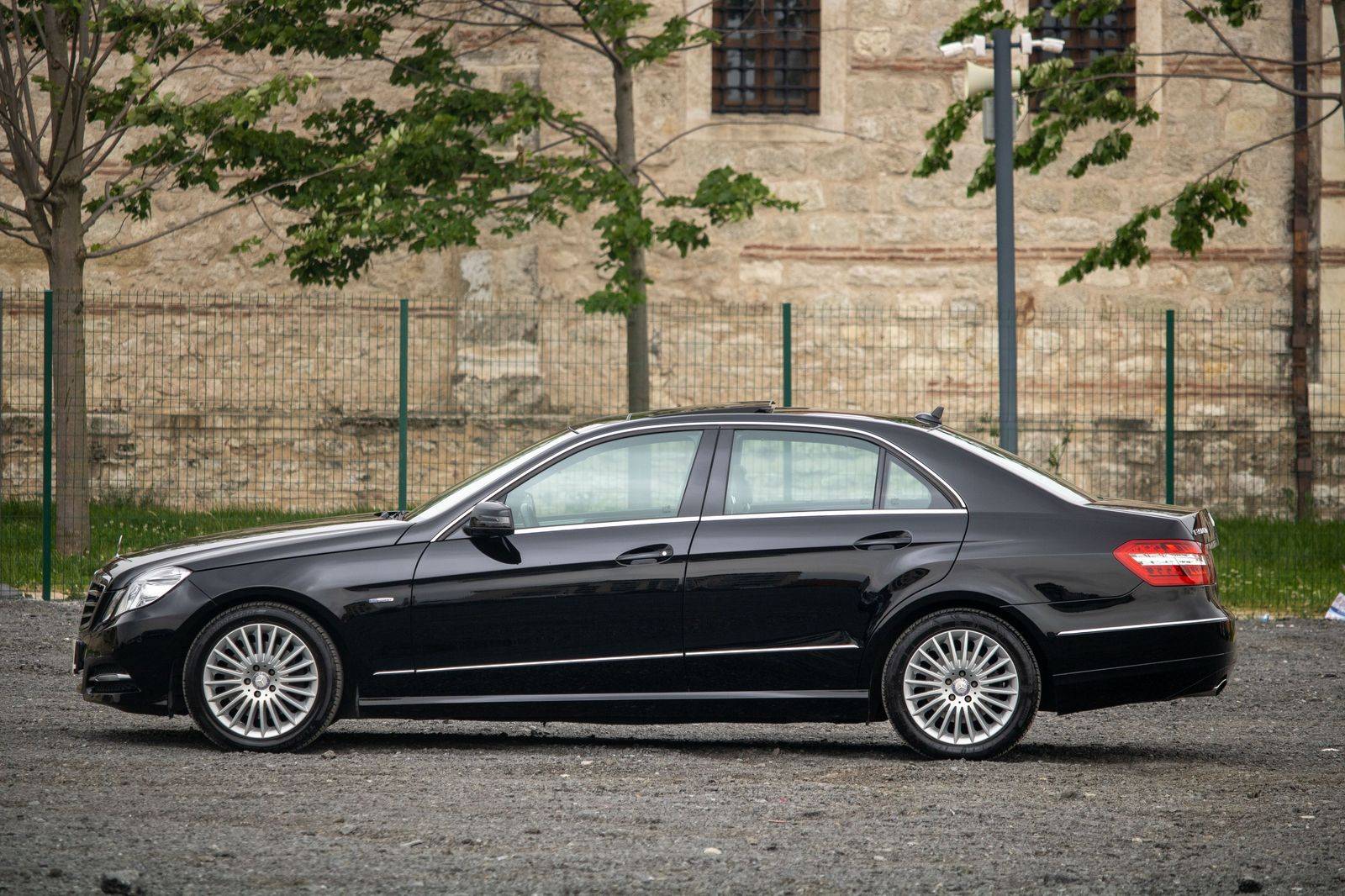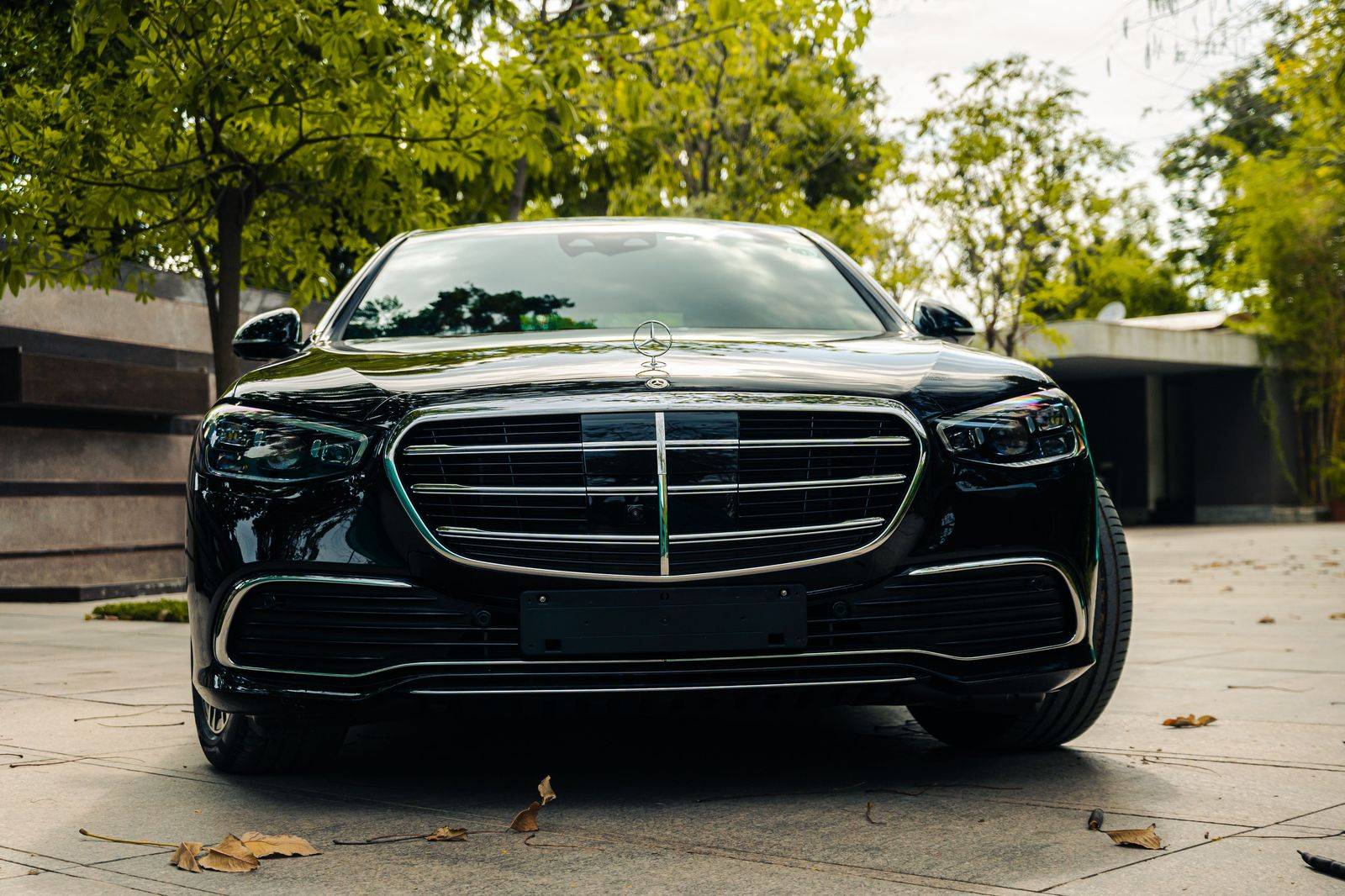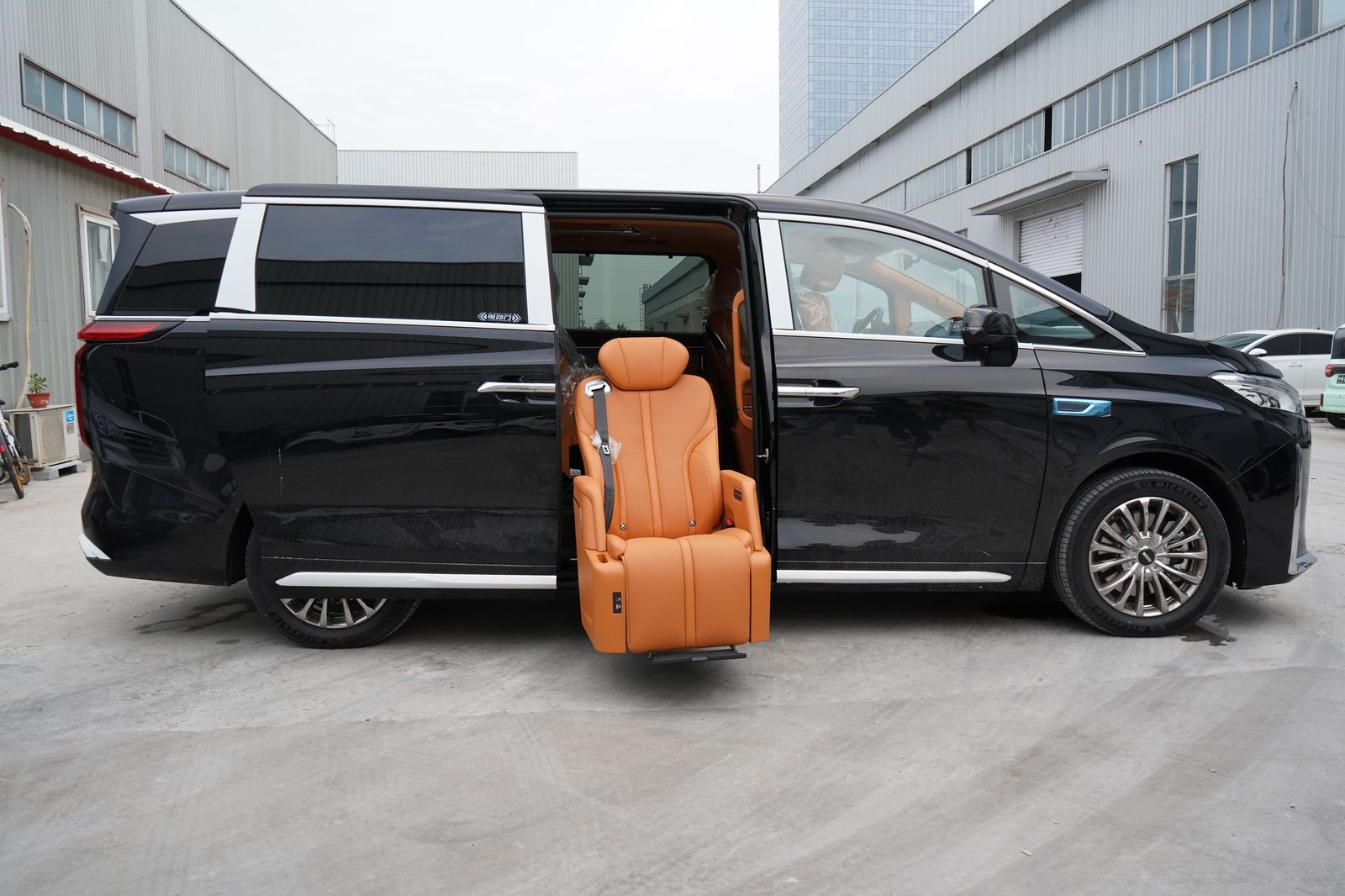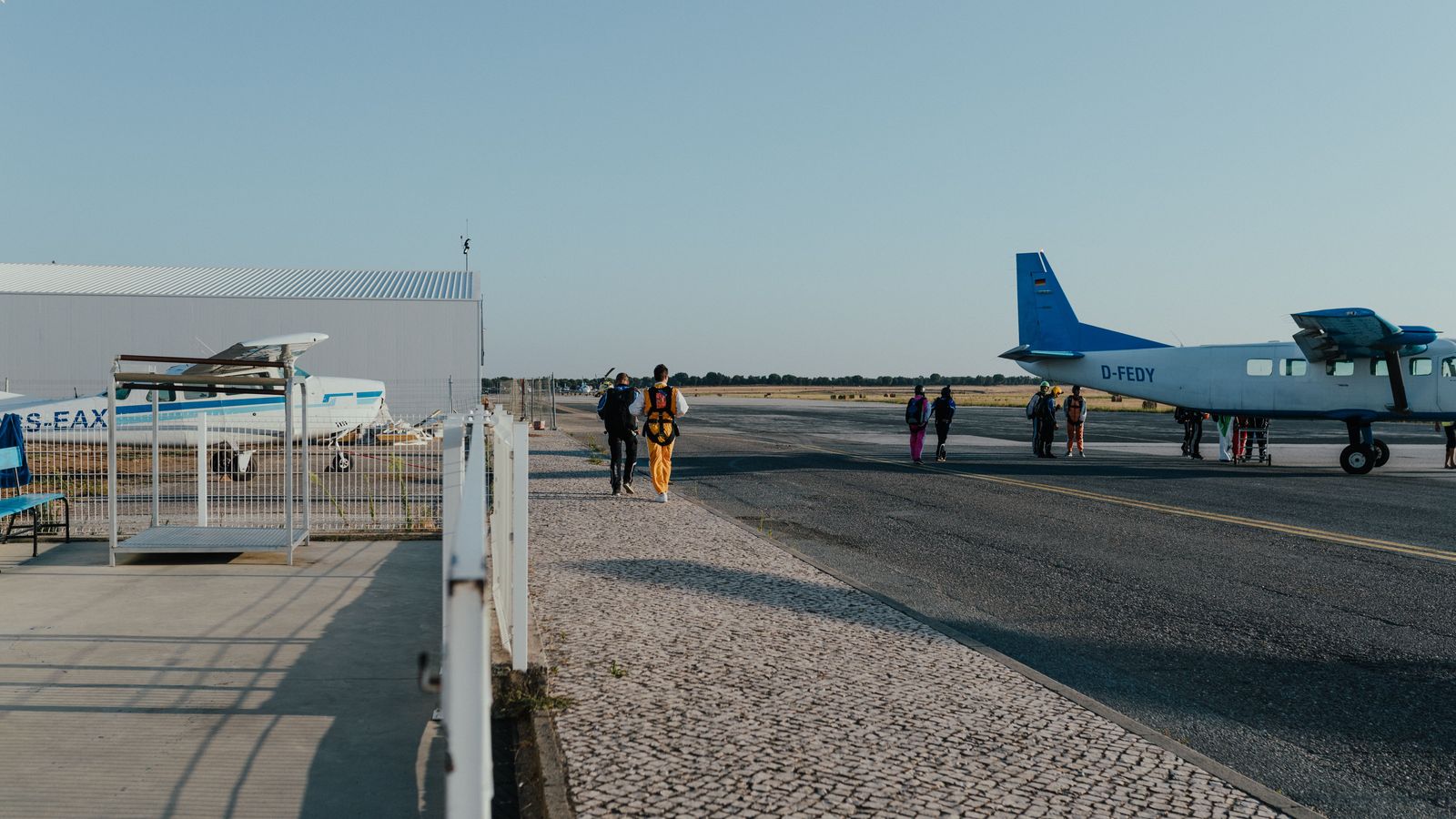










































































































RideRutz.com's private jet and FBO chauffeur service meets passengers arriving by business, charter or government aircraft at fixed-base operators and private terminals worldwide. The aircraft's tail number is tracked instead of a flight number, the chauffeur is positioned at the FBO before the aircraft lands and meets the passenger ramp-side where the operator permits or in the FBO lounge where it does not, the luggage is moved from the hold to the car by the chauffeur, and the car leaves as soon as the principal is seated - with the same protocol-trained chauffeur and unbranded black vehicle as every other RideRutz.com engagement.
Why an FBO pickup is a different procedure
A private aircraft does not land at a terminal; it lands at an FBO - a fixed-base operator, the private terminal that handles business aviation at an airport - and its passengers expect to be in a car within minutes of the wheels stopping, not to walk through a hall. There is no arrivals board, no baggage belt and usually no queue; there is a ramp, a lounge, a customs officer where the flight is international, and a car that either is or is not where it should be. The timing is also different: a business jet can leave early, arrive early, divert to another airport or land at a different FBO on the same field, and it will not wait for the car. Meeting it well requires the tail number, a relationship with the FBO and a chauffeur who knows the ramp rules.
RideRutz.com's FBO procedure is built around those three things. The reservation takes the tail number, the operator and the FBO; dispatch tracks the aircraft from departure; the chauffeur is in position thirty minutes before the estimated arrival with the vehicle registration and the chauffeur's identity already with the FBO's front desk; and the meeting point is ramp-side, at the aircraft steps, wherever the FBO permits vehicles airside, or at the lounge door where it does not. The airport chauffeur service page describes the commercial-terminal procedure; this one is faster and quieter.
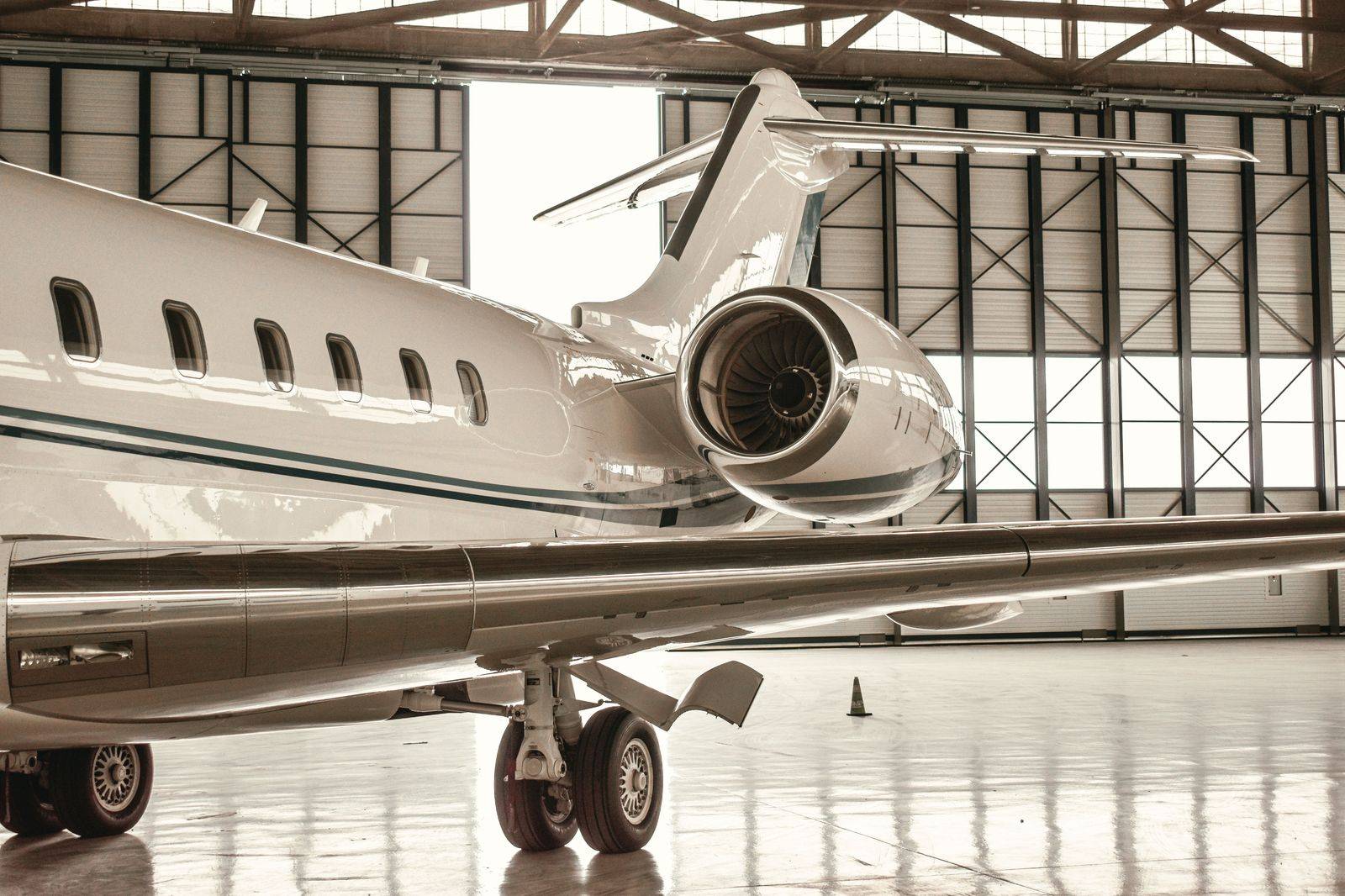
The procedure, step by step
| Step | What happens |
|---|---|
| Booking | Tail number, operator, FBO, estimated arrival, passenger names, vehicle class and destination; a coordinator confirms the FBO's vehicle-access rules |
| Tracking | Dispatch follows the aircraft from departure; the chauffeur's position time moves with the aircraft; diversions are caught before landing |
| Positioning | The chauffeur arrives at the FBO thirty minutes before the estimate; registration and identity given to the front desk; the vehicle is parked airside where permitted or at the lounge door |
| Meeting | Ramp-side at the steps where the FBO allows vehicles airside; otherwise at the lounge; the chauffeur greets the principal by name, once |
| Customs | On international arrivals the chauffeur waits while customs and immigration clear the passengers at the FBO, which typically takes minutes |
| Luggage | The chauffeur takes bags from the aircraft's hold or from the FBO's handlers directly to the car; the principal carries nothing |
| Departure | The car leaves when the principal is seated; the destination and drive time are confirmed and the cabin is silent |
| Outbound | For departures, the chauffeur delivers the passenger to the FBO at the time the operator asks, and where permitted drives to the aircraft |
Who uses the FBO service
Corporate flight departments book it for their principals and, on a corporate account, record the FBO procedure on each principal's profile so that every arrival is handled identically. Charter brokers and operators book it for their clients as part of the flight, with the chauffeur's details on the trip sheet. Family offices book it for principals and families, with child seats fitted and an SUV sized to the luggage that private travel encourages. Governments and international organisations book it for ministers and officials arriving on government aircraft, under the diplomatic standard, with the host protocol's reception at the ramp. Studios, labels and management book it for talent, because the FBO is the one place in an airport a public figure is not seen. And event organisers book it for the honourees and sponsors who fly in for a gala or a festival.
FBOs and the airports that host them
Business aviation concentrates at a small number of fields near each major city, some shared with airlines and some reserved for private traffic: Teterboro, Westchester and Farmingdale for New York; Van Nuys for Los Angeles; Dulles and Manassas for Washington; Midway for Chicago; Opa-locka for Miami; Toronto Pearson's FBOs and Buttonville; Luton, Farnborough, Biggin Hill and Northolt for London; Le Bourget for Paris; Geneva and Zurich's business terminals; Dubai's Al Maktoum and the DXB FBOs; Riyadh, Doha and Abu Dhabi's private terminals; Seletar for Singapore; Hong Kong's business aviation centre; Tokyo Haneda's and Narita's business-jet facilities; and the FBOs at every gateway on the airports page. The FBO networks - Signature, Atlantic and the independents - each have their own ramp-access rules, and RideRutz.com's coordinators hold them for each field. Where an aircraft diverts to a field we have not worked, the LimousineWorldwide.Directory network supplies a vetted chauffeur to the same procedure.
Diversions, early arrivals and the aircraft that will not wait
The two things that go wrong with private-aviation ground transport are the aircraft arriving before the car and the aircraft going somewhere else. Both are prevented by tracking. Because dispatch follows the tail number from departure, an aircraft that is running forty minutes early moves the chauffeur's position time forty minutes earlier, and an aircraft that diverts - weather at the destination, a slot problem, a change of plan aboard - is known to dispatch before it lands, and a chauffeur is dispatched to the new field while the first is stood down. For very short flights, where tracking gives little warning, the chauffeur is positioned before the aircraft departs. On departures, the principle is reversed: the operator sets the time it wants the passengers at the FBO, and the chauffeur delivers them to it with the margin the operator asks for, because a slot missed is a slot lost.
Multi-leg and multi-vehicle arrivals
A roadshow team flying privately between cities, a delegation arriving on a government aircraft with a follow vehicle for staff and security, a family with a nanny and eight cases, a band with its equipment on a second aircraft: each is an FBO arrival with more than one vehicle, and each is planned on one file. Vehicles are staged at the FBO in order, the coordinator or the lead chauffeur manages the ramp handover, and the convoy leaves as one. For principals with protection, the security-trained chauffeur is assigned and the detail briefs the ramp drill. The roadshow and conference pages describe the multi-city and multi-vehicle versions.
Discretion at the FBO
The FBO is where private travel is most private, and the chauffeur's conduct is shaped by it: no photographs, no confirmation of who has landed to anyone at the field, no discussion of the aircraft, the operator or the passengers afterwards, and the confidentiality undertaking every RideRutz.com chauffeur signs at induction. Vehicle registrations are shared with the FBO for access and with no one else. Flight departments that require their own non-disclosure agreement have it signed before the first engagement. The chauffeur training and protocol page publishes the standard.
Fares and booking
An FBO transfer is booked on the reservation engine by choosing the airport and entering the tail number, the operator and the FBO in the flight field; the fare is fixed by address and vehicle class and includes tolls, airport access fees, waiting from the aircraft's actual arrival and gratuity. Ramp access fees charged by some FBOs are itemised at cost. For a flight department's standing arrangement, a delegation's government aircraft or a multi-vehicle arrival, send the trip sheet and a coordinator will plan it. Business-aviation operating standards are published by the National Business Aviation Association; the ground procedure is ours.
An FBO arrival at Teterboro
The flight department's trip sheet lists a landing at 16:10, tail number, operator and the FBO on the south side of the field. Dispatch picks up the aircraft on departure from Palm Beach at 13:45 and sees it running twelve minutes early. The chauffeur, already on the way, is at the FBO's front desk at 15:25 with the vehicle registration and his own identity, which the FBO has on file from the coordinator's call that morning. The executive SUV is escorted airside at 15:50 and positioned at the ramp bay the line crew indicates. The aircraft blocks in at 15:58. The chauffeur stands at the rear passenger door; the line crew open the hold; the chauffeur moves four cases to the car while the principal and two colleagues walk forty metres from the steps and are seated; the car leaves the ramp at 16:04. The destination is a hotel in Midtown; the chauffeur confirms it and the drive time, and the cabin is silent through the Lincoln Tunnel.
Outbound: the slot and the margin
Departures from an FBO have a discipline that arrivals do not: the aircraft has a slot, the crew has a duty-time limit, and the operator has told the passengers when to be at the FBO. The chauffeur's job is to deliver them before that time with the margin the operator asks for, which means planning the collection around the city's traffic at that hour and telling the passenger honestly when the car must leave. Where the FBO permits, the chauffeur drives to the aircraft and the luggage goes from the car to the hold without touching the ground in between; where it does not, the FBO's handlers take it from the car at the door. The chauffeur waits until the aircraft has taxied - a slot can be lost and a passenger returned - and then stands down.
Flight departments, brokers and operators
A corporate flight department wants three things from a ground supplier: that the chauffeur be where the trip sheet says, that the procedure be the same at every field the aircraft visits, and that nobody in the department has to call a car company in a city they do not know. RideRutz.com's corporate account gives the department each principal's FBO procedure recorded once, the chauffeur's name and number on every trip sheet, and a coordinator who takes the department's schedule as it changes. Charter brokers and operators add the ground to the flight for their clients on the same basis and are invoiced per trip or monthly. Family offices record the family's procedure - car seats, the nanny's vehicle, the luggage that private travel encourages - and every arrival is fulfilled to it. Operating standards for business aviation are set out by ICAO and the national authorities such as the FAA; the ground procedure is ours and is published here.