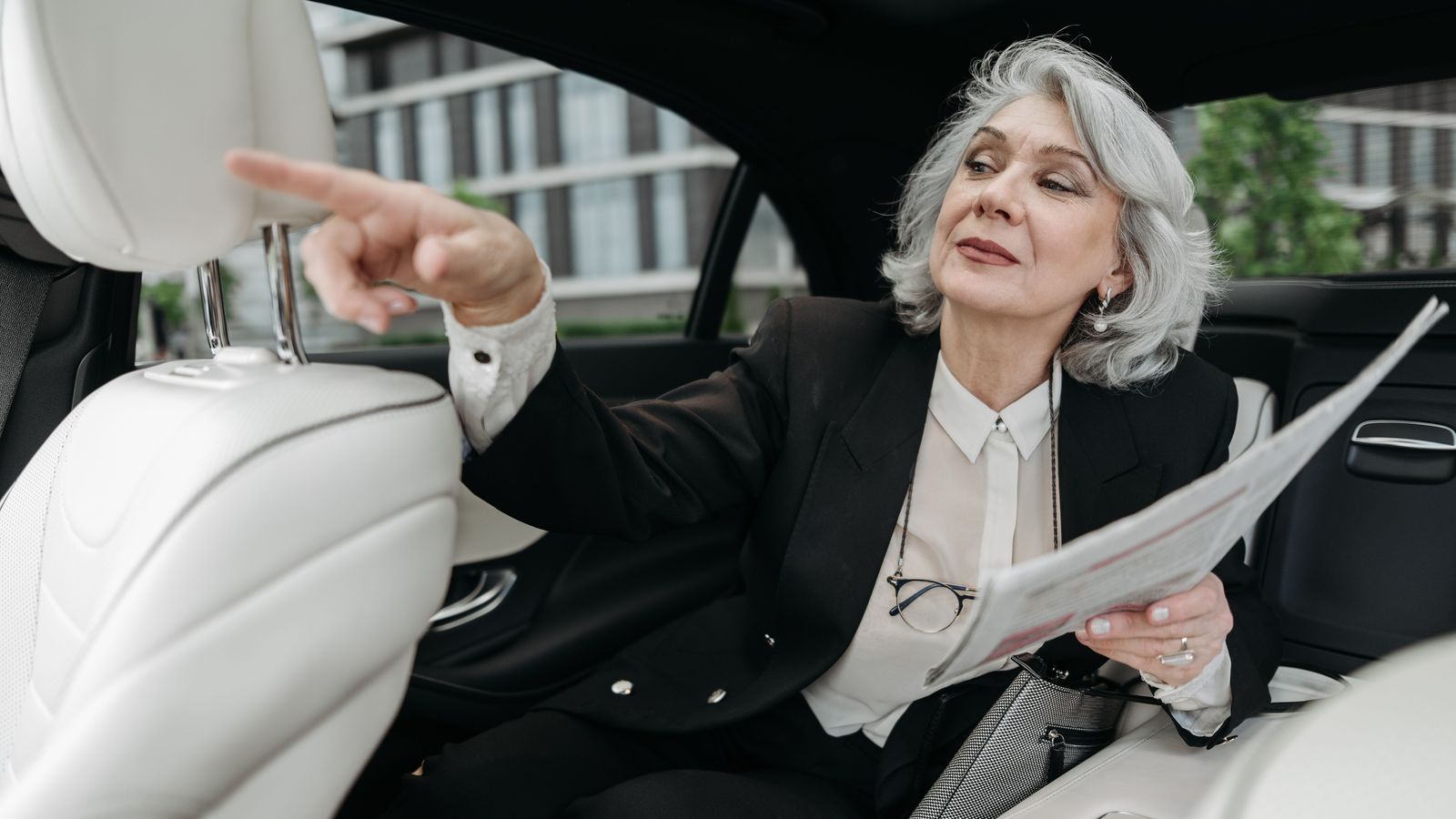










































































































A security-trained chauffeur is a chauffeur who has completed additional training in defensive and evasive driving, route planning and reconnaissance, door and embus-debus drill, convoy discipline and radio procedure, and who has experience working inside a close-protection detail rather than alongside one. RideRutz.com assigns them, by the hour or for the visit, to executives, public figures and diplomats whose security adviser asks for the capability, and sources discreetly protected vehicles with the adviser where the situation and the law of the country call for them.
Where the chauffeur ends and the security driver begins
Every RideRutz.com chauffeur is vetted, trained in protocol and bound by a confidentiality undertaking, and for most principals that is the whole of what the day requires. A security-trained chauffeur is for the principal whose risk assessment says otherwise: a chief executive during a contested transaction, a public figure with a known stalker, a diplomat in a capital where the mission's security officer requires it, a witness, a family in a city with a kidnap-for-ransom history. The security driver's job is not to be the protection; it is to make the vehicle the safest place the principal will be all day and to drive it in a way the protection team can rely on. The chauffeur vs security driver guide sets out how to decide which is needed.
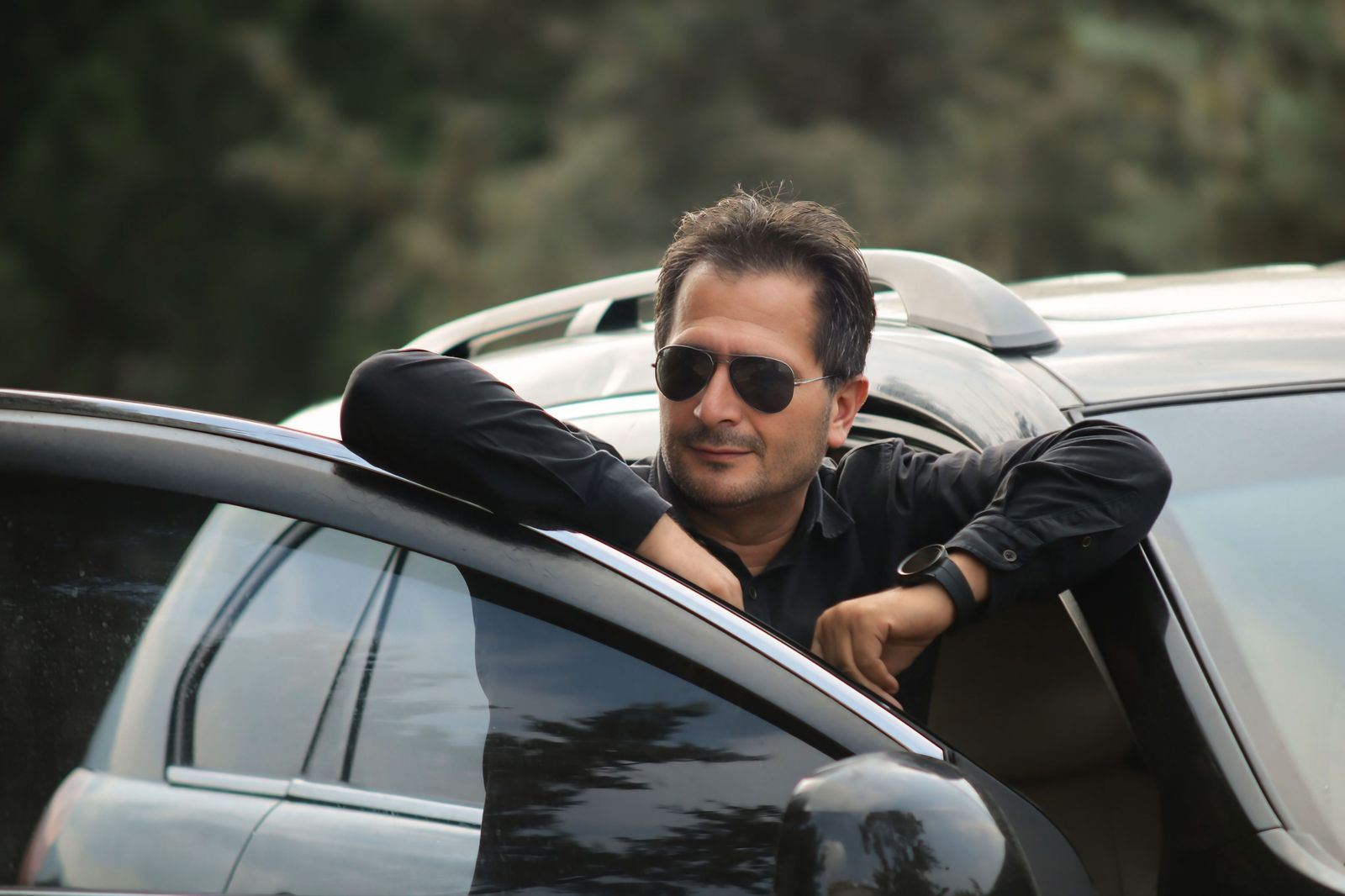
The training
Security-trained chauffeurs hold the standard RideRutz.com chauffeur qualification and, in addition, a recognised course in defensive and evasive driving - the kind taught to government and corporate protection drivers - together with our own modules in route planning and reconnaissance, threat awareness at stops and in traffic, embus and debus drill with and without a protection officer, convoy driving in lead, principal and follow positions, radio procedure and the vocabulary a detail uses, medical first response and vehicle checks. Training is refreshed annually and drivers who do not refresh are removed from the security roster. Many come to the work from military, police or government driver backgrounds; all are assessed on the road by our own instructors before their first assignment, whatever their history.
How the assignment works
A security driver is briefed by the principal's protection lead or, where the principal has no detail, by our coordinator from the security adviser's requirements. The brief covers the principal, the programme, the primary and alternate routes, the venues and their entrances, the vehicles in the movement and their order, the radio net, the medical plan and the actions on contact. The driver reconnoitres the routes and venues in advance where time allows, checks the vehicle before every movement, positions it for a fast departure at every stop, and stays with it - a security driver does not leave the vehicle to carry luggage, open a building's door or fetch a coffee. During the movement the driver takes direction from the detail's lead and communicates on the net; between movements the driver stays with the vehicle and the vehicle stays where the detail can see it.
| Situation | Configuration |
|---|---|
| Executive with a single protection officer | Executive SUV, security driver; officer in the front passenger seat, principal behind the driver |
| Principal with a full detail | Lead vehicle, principal's vehicle with security driver, follow vehicle; all drivers security-trained; detail's own radio net |
| Public figure, crowd and press risk | First-class sedan or SUV with security driver; decoy vehicle on request; coordinator with the publicist and the detail |
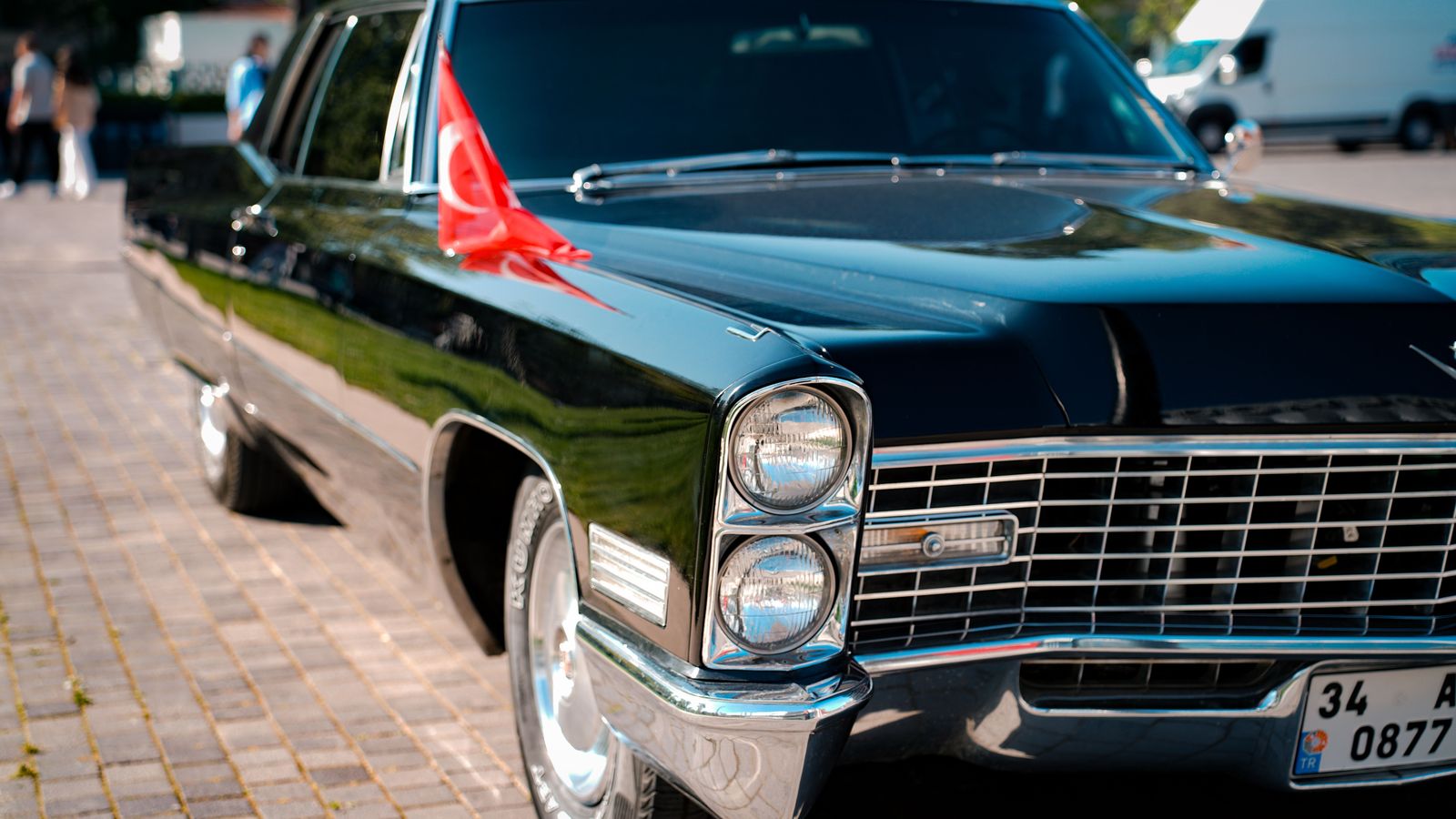
| Diplomat, host-country security lead | Vehicles and drivers integrated into the host's motorcade; flag conventions per the mission; drivers briefed by the host's lead |
| High-threat environment | Discreetly protected vehicle sourced with the adviser; security driver trained on protected-vehicle handling; movement planned with the adviser |
Protected vehicles
Where a principal's security adviser calls for an armoured vehicle, RideRutz.com sources it case by case - a discreetly protected Suburban, Escalade, Land Cruiser or G-Class, or a protected sedan, at the protection level the adviser specifies - from operators licensed to supply them in the country concerned. Not every country permits civilian armoured vehicles, not every city has them available at short notice, and a protected vehicle drives differently from an unprotected one, which is why only drivers trained on them are assigned. Availability, protection level, lead time and cost are confirmed in writing before any commitment is made, and we say plainly when a request cannot be met.
What we do not do
RideRutz.com supplies security-trained chauffeurs and vehicles. We do not supply close-protection officers, static guards, advance teams or intelligence, and we do not present a security driver as a substitute for a protection detail where the risk calls for one. Where a principal needs protection and has none, the coordinator says so and can introduce a licensed protection provider in the country concerned; the driver then works to that provider's brief. Protection is a licensed profession in most jurisdictions, with standards published by bodies such as ASIS International, and the boundary between the two services is there for the principal's safety.
Discretion and records
Security work involves the most sensitive passengers and the most sensitive information the company handles: routes, residences, schedules, the existence of a threat. Security drivers are subject to the confidentiality undertaking every chauffeur signs and to whatever additional agreement the principal's organisation requires. Route and schedule documents are held by the driver only for the duration of the assignment and destroyed afterwards; nothing is stored on a personal device; journey records are kept to the minimum the privacy policy describes and released to no one but the account holder. Where an organisation's security policy requires a particular clearance or a nationality restriction, the requirement is agreed in advance.
Where the service is available
Security-trained chauffeurs are rostered in the major capitals and financial centres on the destinations page and can be positioned to other cities with notice. In the highest-risk environments the service is planned with the principal's adviser from the outset rather than booked on the engine. Executives are usually placed on a corporate account with the security requirement recorded on the profile, so that every booking for that principal is fulfilled by a security driver without the assistant having to ask; the executive chauffeur service and diplomatic chauffeur service pages describe the standard the security driver adds to. Airports and FBOs are handled under the private jet and FBO procedure, with the driver meeting the aircraft ramp-side wherever the operator permits. Government travel advisories, such as those published by the U.S. Department of State, inform the coordinator's planning in every city.
Arranging a security driver
A security driver for a day or a visit is arranged by sending the requirement - the principal, the city, the dates, the adviser's contact, whether a detail is in place, whether a protected vehicle is required - and a coordinator will return a written proposal within a working day. Standing requirements are recorded on the account. The service is priced by the hour at the security-driver rate for the vehicle class, with reconnaissance time and protected vehicles quoted separately.
Reconnaissance, routes and the day itself
The value of a security driver is mostly created before the principal gets into the car. Given a programme and a day's notice, the driver drives the primary route to each venue and at least one alternate, at the time of day the movement will happen, noting choke points, roadworks, one-way systems, the places a vehicle could be boxed in, and the safe havens - a police station, a hospital, a hotel with a secure forecourt - along the way. At each venue the driver checks the entrance the principal will use, the position the vehicle will take, the direction of departure and where the vehicle can wait with a clear exit. The findings go to the detail's lead or the coordinator as a route card the driver keeps in the vehicle.
On the day, the driver checks the vehicle before the first movement - tyres, fluids, lights, the underside, the cabin - and again after any period it has been unattended. At each stop the vehicle is positioned nose-out with the principal's door nearest the entrance, the driver stays at the wheel with the engine running where the venue permits, and the detail's officer opens the principal's door. In traffic the driver keeps a gap to the vehicle ahead that allows an escape without reversing, avoids being boxed at lights, and follows the convoy's spacing and order. None of this is visible to the principal, which is the point; a well-run security movement looks like an ordinary journey that happened to be smooth.
Choosing the vehicle
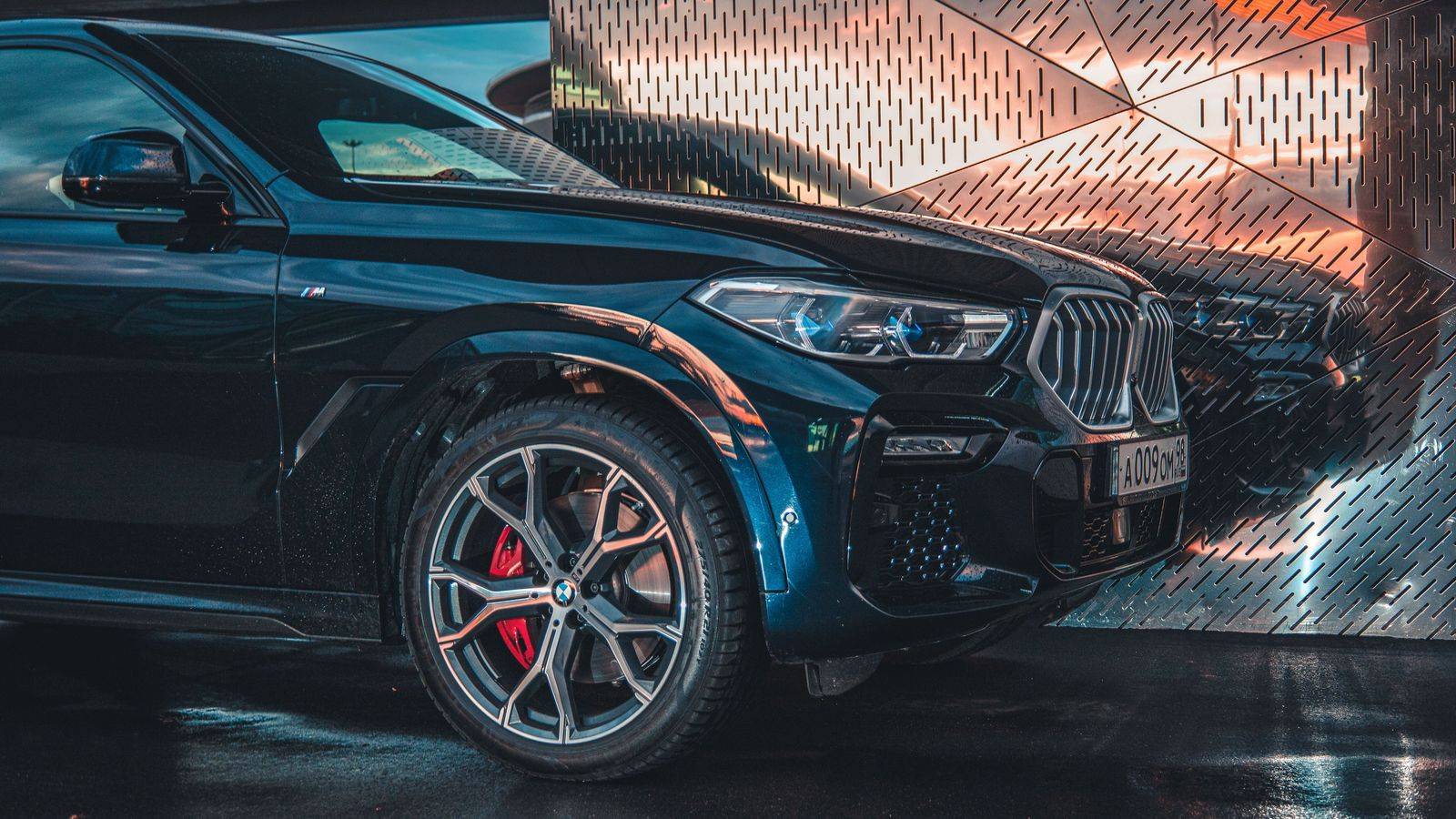
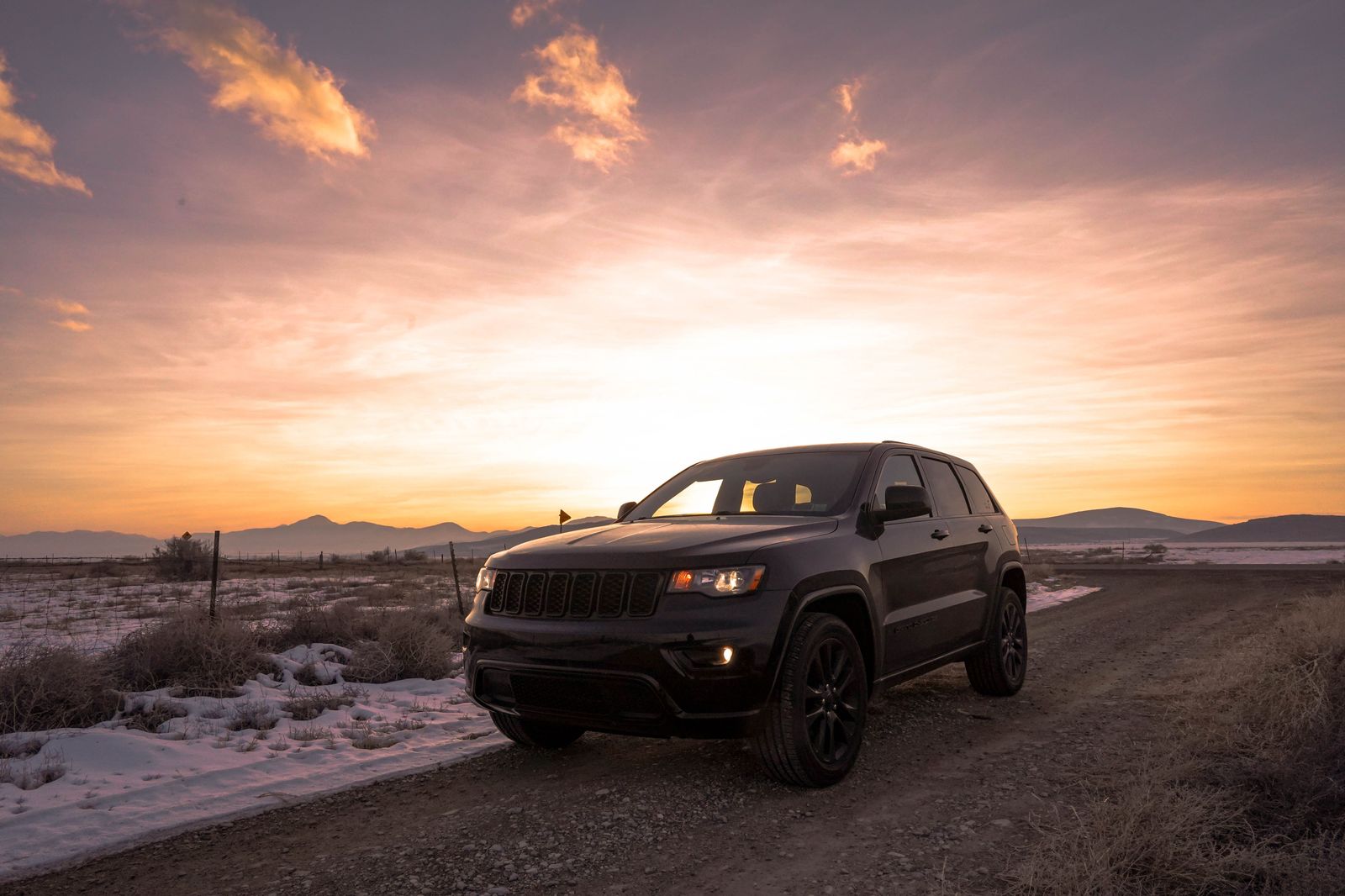
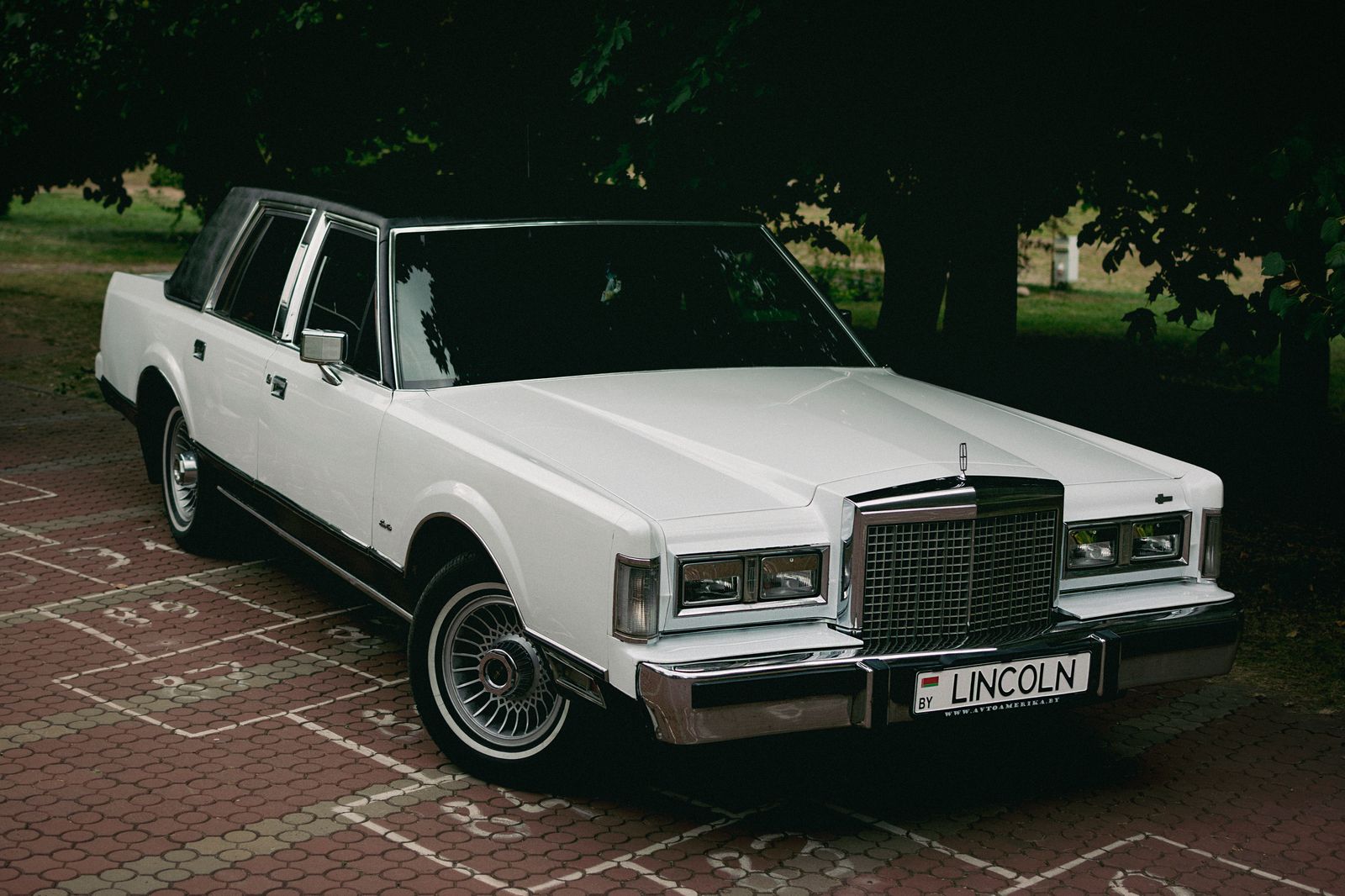
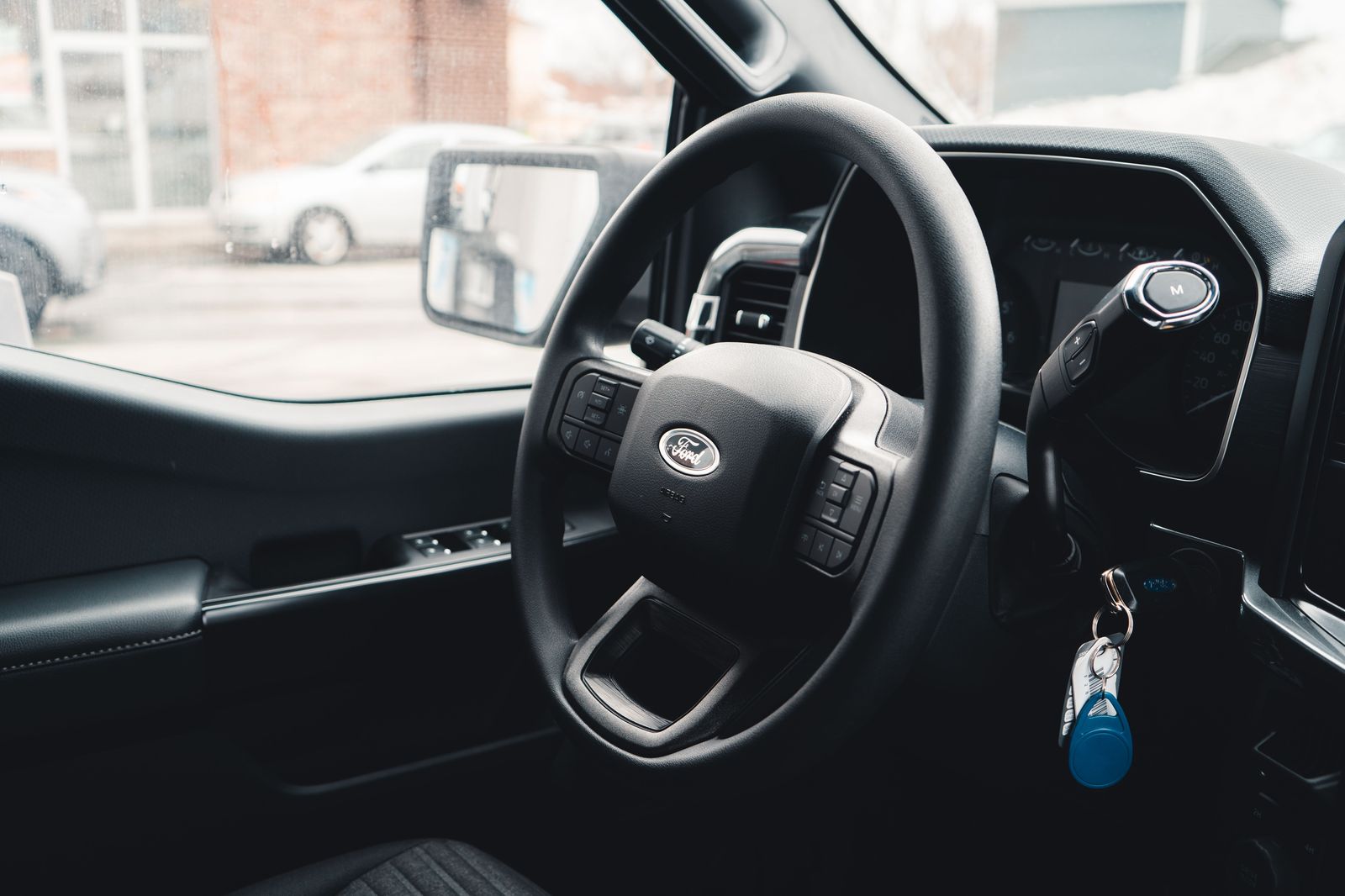
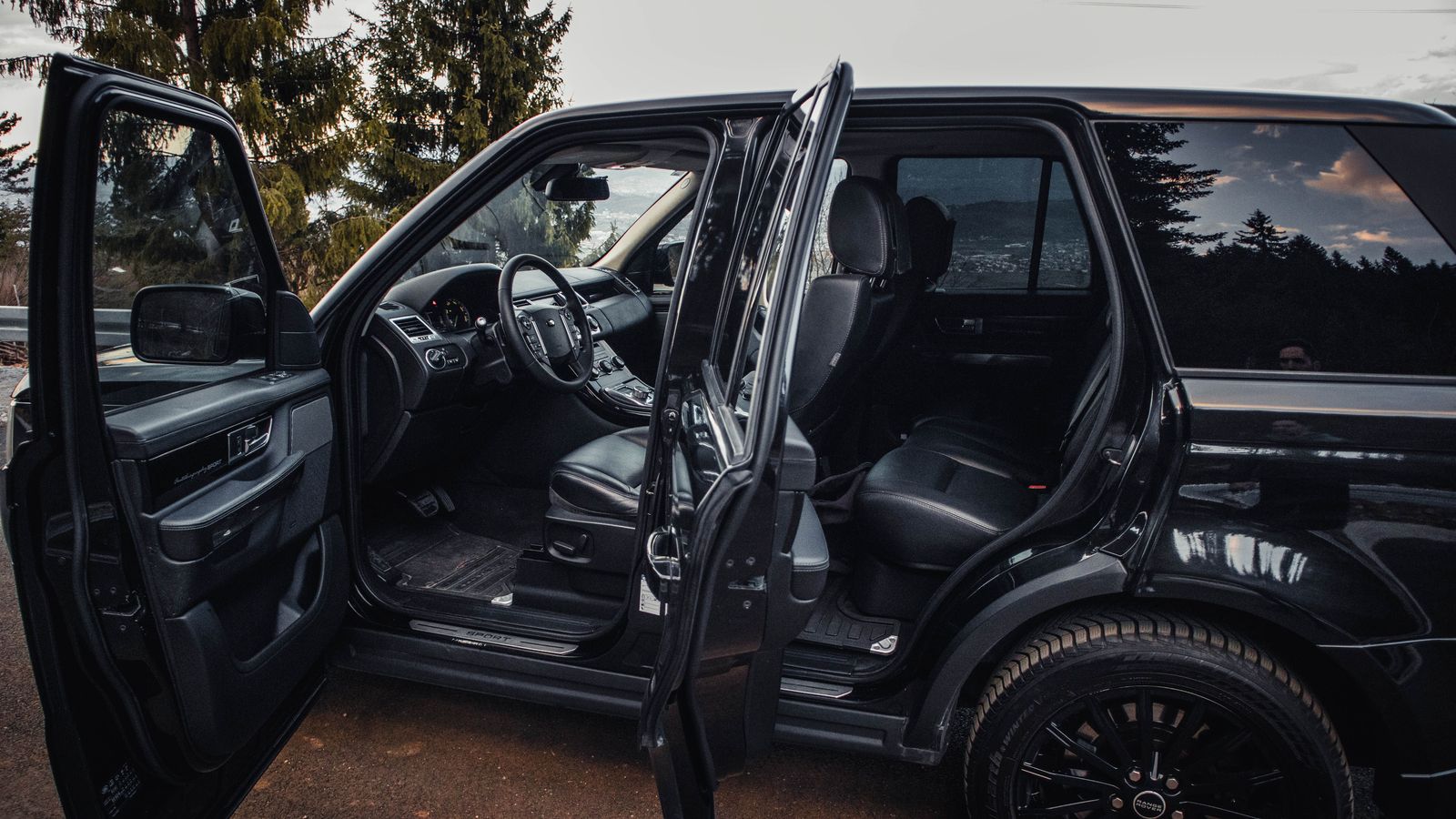
The executive SUV is the usual choice for security work: height for visibility, room for an officer in the front and equipment in the back, a heavier vehicle in a collision, and higher glass. A first-class sedan is used where the principal's profile makes an SUV conspicuous or where the detail prefers it. For convoys, all vehicles are of the same class and colour so that the principal's vehicle is not identifiable from outside. Protected vehicles are sourced only on the adviser's instruction, and the fleet page lists the classes available in each city. The service is priced at the security-driver hourly rate for the class, with reconnaissance quoted by the hour and protected vehicles quoted per day. The rates guide gives typical figures.
Working with corporate security departments
Large organisations run their executive-protection programmes through a security department that has already assessed the principal, chosen the level of protection and written the travel policy. RideRutz.com works as that department's ground supplier: the department records its requirements on the corporate account once - which principals require a security driver, in which cities, with which vehicle, with or without a detail - and every booking for those principals is fulfilled accordingly, with the department's protection lead briefed and the journey records available to the department afterwards. Departments new to the arrangement should send the requirement and speak to a coordinator before the first assignment.