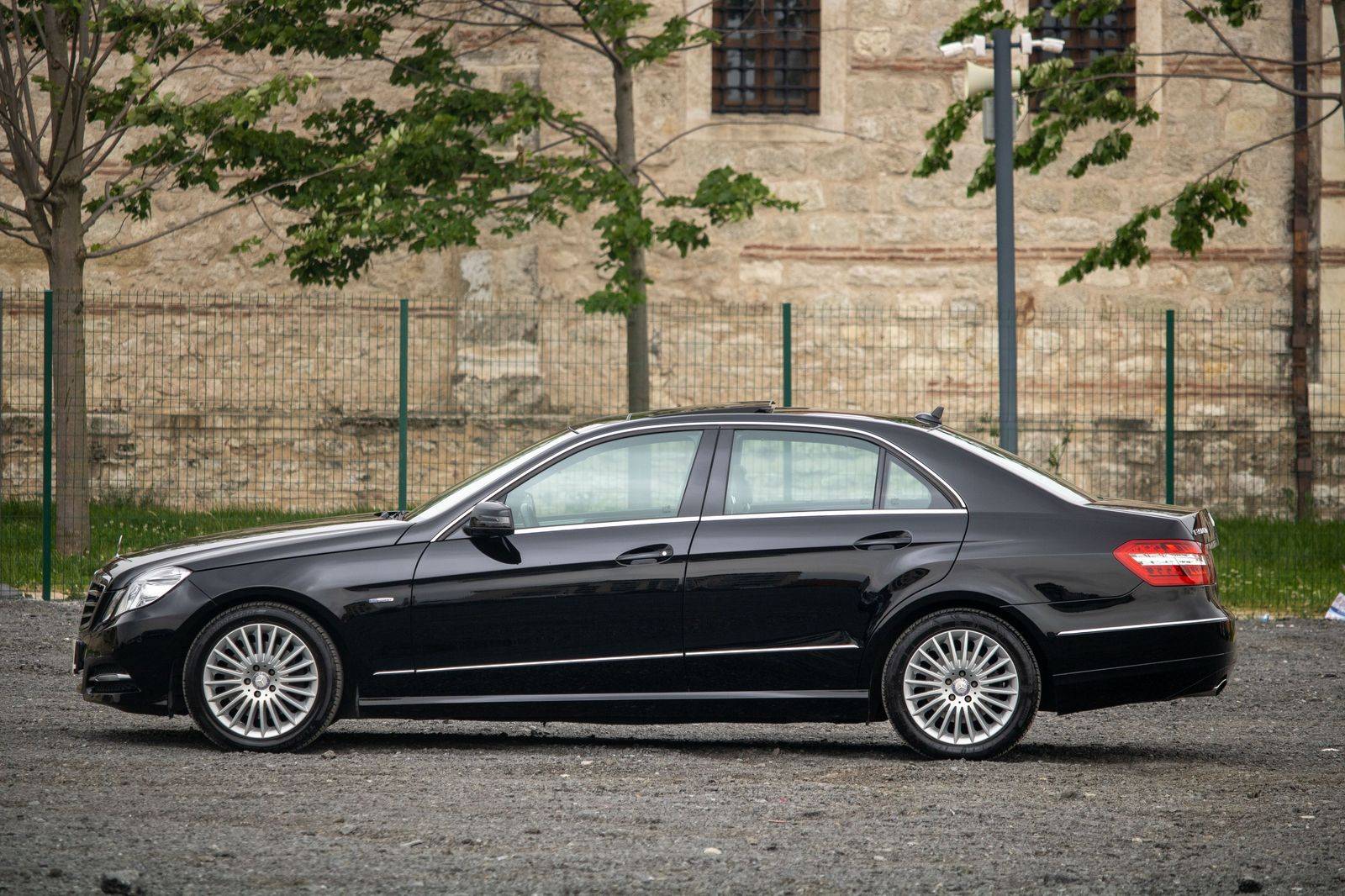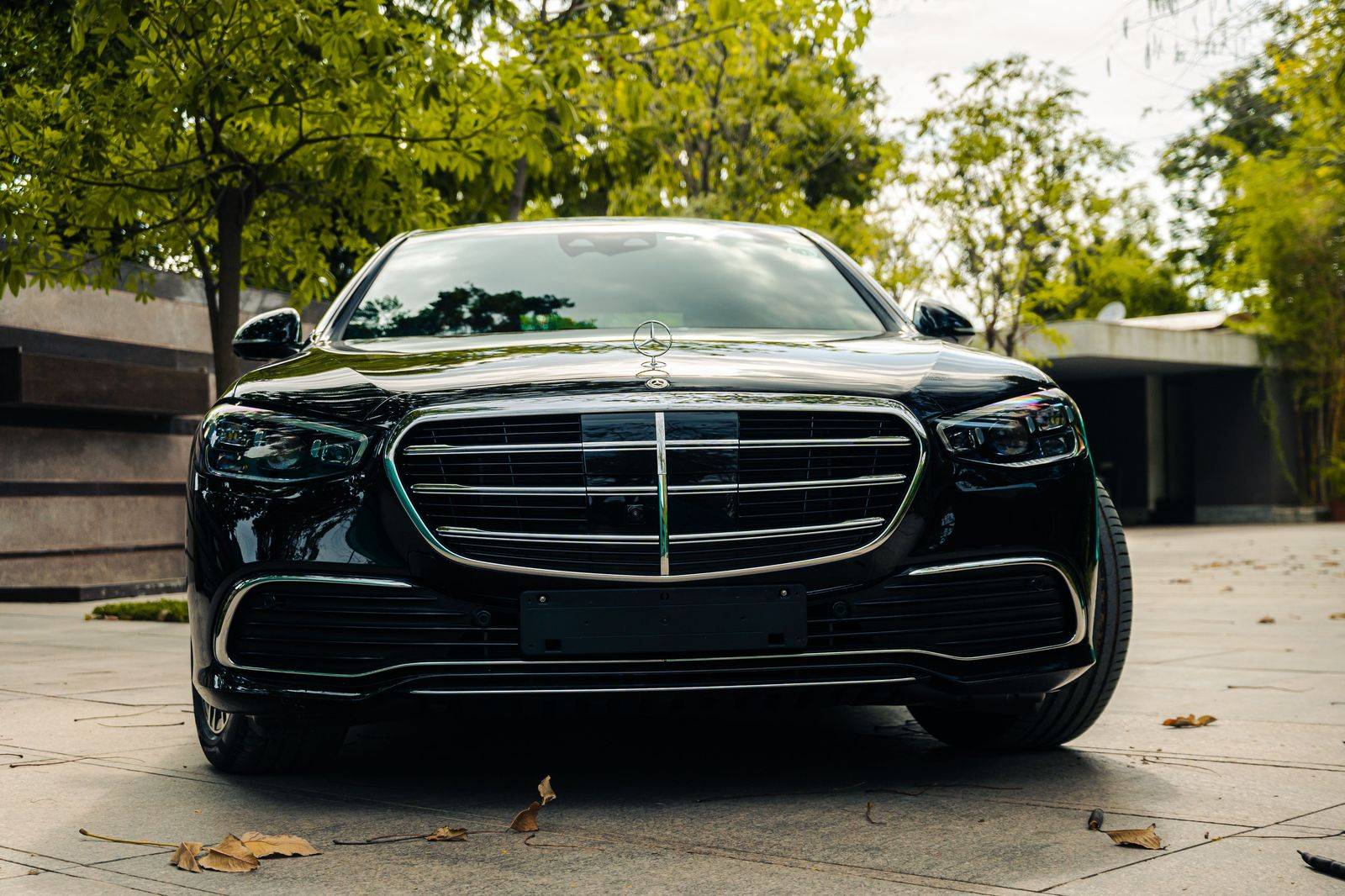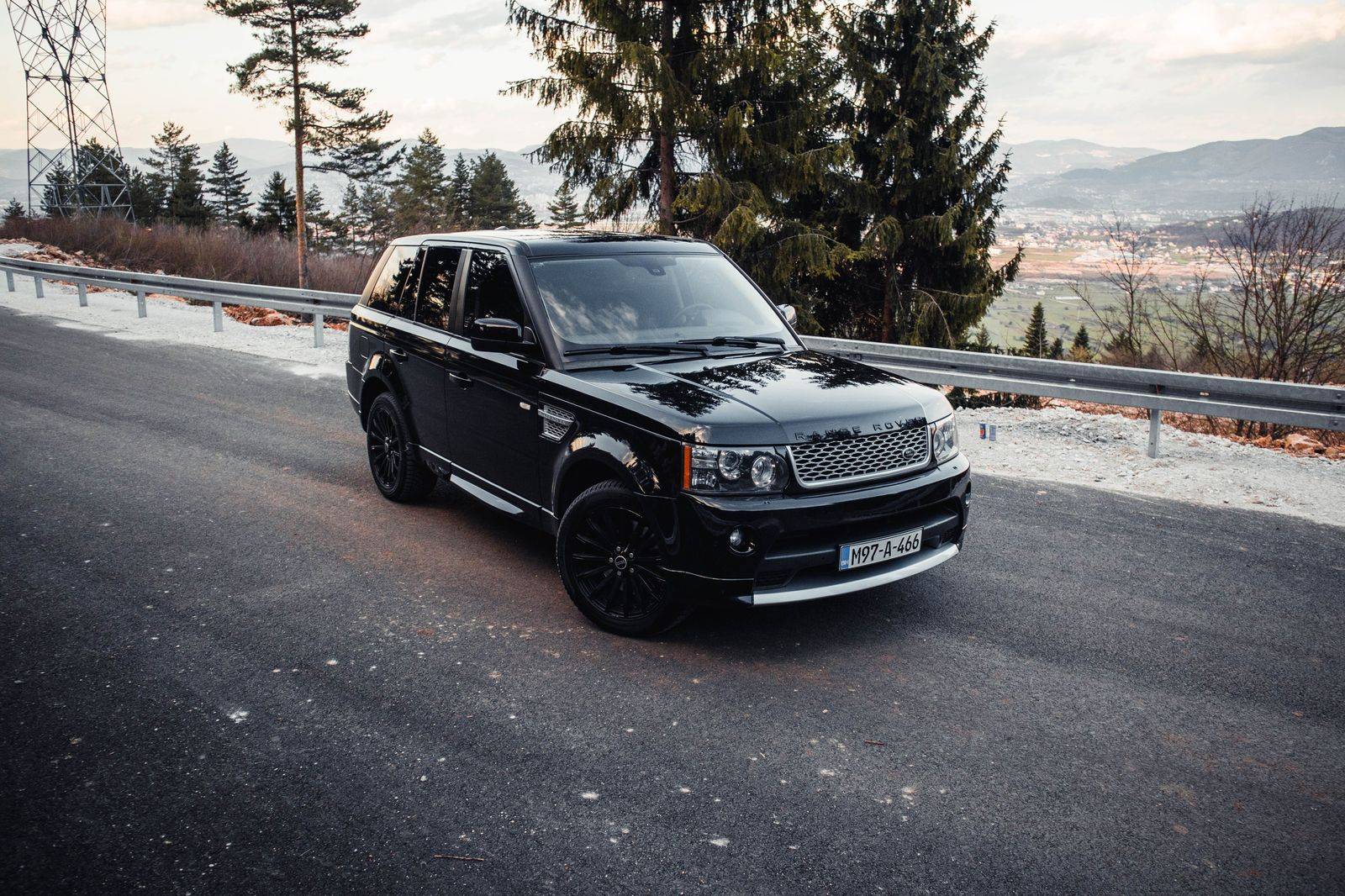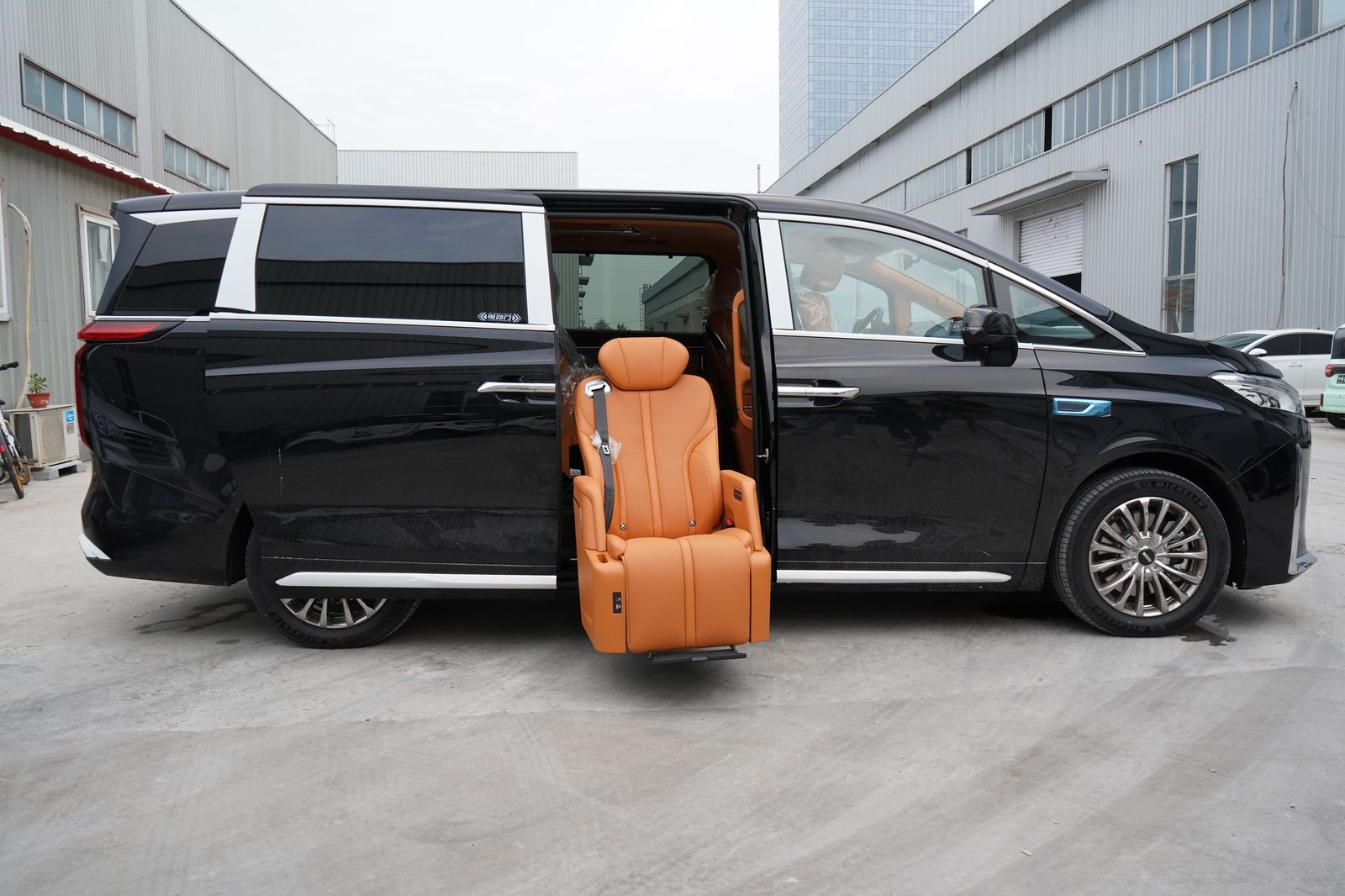










































































































An hourly chauffeur from RideRutz.com costs, as a planning figure, roughly 95 to 140 US dollars an hour for a business sedan, 130 to 200 for a first-class sedan and 140 to 210 for an executive SUV in the major gateway cities, with a two-hour minimum, billed to the quarter hour beyond it, and everything but tolls and parking included. Smaller cities are lower and festival weeks higher; the reservation engine shows the exact fixed rate for the city, class, date and hours before you confirm.
Why the figures are ranges
A chauffeur's hour costs what the city's labour, licensing, insurance, fuel and vehicle costs make it, and those differ between New York and Lisbon, between a Tuesday in February and the Saturday of a festival. RideRutz.com's rates are fixed for each city and class on the reservation engine, so a client never pays a surprise, but a page that promised one number for the world would be lying. The ranges below are the planning figures our coordinators use when a client asks "roughly what will this cost?" before the itinerary exists. The engine is the answer once it does.

Hourly planning figures by class and city tier
| Class | Tier 1 gateway cities | Tier 2 cities | Tier 3 cities and resorts |
|---|---|---|---|
| Business sedan | USD 95 - 140 / hr | USD 75 - 110 / hr | USD 60 - 95 / hr |
| First-class sedan | USD 130 - 200 / hr | USD 105 - 160 / hr | USD 85 - 130 / hr |
| Executive SUV | USD 140 - 210 / hr | USD 110 - 170 / hr | USD 90 - 140 / hr |
| Luxury van | USD 150 - 220 / hr | USD 120 - 180 / hr | USD 95 - 150 / hr |
| Executive Sprinter | USD 180 - 260 / hr | USD 140 - 210 / hr | USD 115 - 175 / hr |
| Stretch limousine | USD 190 - 300 / hr | USD 150 - 240 / hr | USD 120 - 200 / hr |
| Security-trained chauffeur | Class rate + USD 40 - 80 / hr | Class rate + USD 35 - 65 / hr | Class rate + USD 30 - 55 / hr |
Tier 1 is New York, London, Paris, Zurich, Geneva, Tokyo, Hong Kong, Singapore, Dubai, Los Angeles, San Francisco, Washington, Sydney and the other cities where everything costs more; Tier 2 is Toronto, Chicago, Frankfurt, Milan, Madrid, Amsterdam, Riyadh, Seoul and their peers; Tier 3 is the smaller cities and the resorts. Festival, summit and award-season weeks in any tier carry a supplement, stated on the engine. Minicoaches and motorcoaches are priced per day. Protected vehicles are quoted per day with the adviser.
What the hourly rate includes
The chauffeur; the vehicle; fuel; unlimited stops and waiting within the engagement; cleaning and detailing; bottled water, phone charging and Wi-Fi where fitted; gratuity; and a dispatcher who can reach the chauffeur. Tolls, bridge charges and paid parking incurred on the passenger's instructions are itemised at cost on the receipt. There is no surge, no evening or weekend supplement in most cities and no fuel surcharge. The hourly chauffeur service page describes the engagement; the terms set out the rules on extension and cancellation.
Minimums and billing
Two hours in most cities, three in a handful where regulation or distance makes a shorter engagement impractical; the engine shows the city's minimum. Beyond it, the engagement is billed to the quarter hour. An engagement released early is billed to the minimum or the hours used, whichever is greater; an engagement extended on the day continues at the same rate. A relief chauffeur for a very long day costs nothing extra.
Transfer planning figures
| Transfer | Business sedan | First-class sedan | Executive SUV |
|---|---|---|---|
| Airport to city centre, Tier 1 (30-50 min) | USD 110 - 190 | USD 160 - 260 | USD 170 - 280 |
| Airport to city centre, Tier 2 | USD 85 - 150 | USD 120 - 210 | USD 130 - 220 |
| Cross-town, Tier 1 (20-30 min) | USD 70 - 120 | USD 100 - 160 | USD 110 - 170 |
| Intercity, 150-250 km | USD 320 - 520 | USD 450 - 700 | USD 480 - 750 |
| FBO to city centre | as airport, plus any ramp fee at cost |
Transfer fares are fixed by address and class and include tolls, airport fees, waiting within the allowance and gratuity. The airport chauffeur service page sets out the waiting allowance; the FBO page the ramp procedure.
Hourly or point to point?
One journey: a transfer. Two journeys hours apart: two transfers. Three or more stops, or any stop of unpredictable length: hourly, because a chauffeur who waits costs less than a second chauffeur who has to be found, and is there when the meeting ends early. In most cities the crossover is about three stops, and the engine will price both if asked.
Worked examples
A corporate day, Tier 1. First-class sedan, 07:30 to 19:00, eleven and a half hours at USD 165: USD 1,898, plus one congestion charge and one parking fee at cost. Booked as six transfers the same day would be six cars, six confirmations and roughly USD 900 to 1,100 - and no car waiting when the last meeting ended early.
A gala night, Tier 2. First-class sedan, 18:00 to 01:00, seven hours at USD 130: USD 910, waiting through the evening included. A ride-hail premium car at surge on gala night, twice, with waiting charged and no guarantee of a car at midnight, would cost less only if everything went right.
A roadshow week. Executive SUV, five cities, five days at ten to twelve hours, Tier 1 and 2 mixed at an average USD 160: about USD 8,800 for the week plus tolls and parking, the coordinator included; airport and FBO transfers added at the fixed fares. The roadshow page describes what that buys.
A ministerial visit, two days. First-class sedan with a protocol-trained chauffeur and a flag, an executive SUV for security and staff, a luxury van for the delegation, a spare sedan: four vehicles at twelve hours a day for two days in a Tier 1 capital, about USD 13,000 to 16,000 with the coordinator, accreditation and flags included. The diplomatic page explains the programme.
Events and programmes
Multi-vehicle evenings are priced per vehicle for the evening with the coordinator included on six vehicles or more; conferences per vehicle per day; festival weeks at the hourly rate with a festival supplement. All are quoted in writing from the brief, and the quote does not change unless the programme does. The gala transport planning guide walks through what a quote contains.
What changes the price
The class, first. The city tier, second. The week - festival, summit, award season - third. A security-trained chauffeur adds an hourly supplement; a protected vehicle is a daily quote. Reconnaissance, positioning a vehicle from another city and a coordinator on a single-vehicle programme are itemised. Language requests, flags, name boards, child seats and detailing for an occasion cost nothing. Volume terms on a corporate account reduce the rates on the engine once a monthly threshold is reached.
How the rates compare
Against a ride-hail premium tier, a black car is sometimes slightly more for a single short journey at a quiet hour and usually less for an airport pickup at a surge hour or an evening with waiting; against repeated ride-hail bookings across a day, an hourly chauffeur is cheaper and incomparably more useful. Against a local chauffeur company in a Tier 1 city, RideRutz.com's rates are comparable for the same class and vehicle age, with the difference that the standard is written down and the same in the next city. Corporate travel buyers benchmarking ground rates through the Global Business Travel Association will find the figures above within the market's range for vetted, protocol-trained chauffeurs and vehicles under five years old; the chauffeur wage data published by the Bureau of Labor Statistics explains why a Tier 1 hour costs what it does.
Getting the exact figure
Enter the city, the class, the date and the hours or the addresses on the reservation engine and the fixed rate appears before you confirm. For anything with more than one vehicle or a protocol element, send the brief and the written quote follows within a working day.
Reading a RideRutz.com receipt
A receipt for an hourly engagement shows the date, the city, the class, the chauffeur's name, the start and end times, the hours billed to the quarter hour, the hourly rate, the total for the hours, each toll and parking fee with the location, and the grand total. It does not show a gratuity line, a fuel line, a waiting line, a booking fee or a surge multiplier, because none exists. A receipt for a transfer shows the addresses, the class, the fixed fare and any tolls or fees at cost. Corporate accounts receive the same detail per line on the monthly invoice, with the cost centre added. The absence of lines is deliberate: a passenger should be able to read the receipt in five seconds and an assistant should be able to reconcile it in ten.
Budgeting a year of ground transport
Travel managers setting an annual budget can use the planning figures above with three multipliers: the number of executive travel days by city tier, the share of those days that are hourly rather than transfer-only (typically a third to a half for senior executives, more for roadshow-heavy functions), and the number of evening and event engagements. A company with 200 executive days a year, half of them hourly in Tier 1 and Tier 2 cities at an average of eight hours, and the rest airport transfers, would plan for roughly USD 150,000 to 200,000 before volume terms; the account's monthly report then replaces the estimate with actuals by cost centre and city. The corporate accounts page describes the report; the global chauffeur service page describes how rates vary by city on one account.
Where the money goes
Roughly, in a Tier 1 city, half of an hourly rate is the chauffeur's wage and employment costs; a quarter is the vehicle - depreciation on a car under five years old, insurance, maintenance, cleaning; a tenth is fuel and consumables; and the remainder is licensing, dispatch, the coordinator and the margin. A rate materially below the ranges above in a Tier 1 city is buying an older vehicle, an uninsured or unvetted driver, or a driver paid below the market - which is why the chauffeur standard is published alongside the rates. The rate is what the standard costs.