









































































































Gala and event transportation is chauffeured transport planned around an organiser's arrival schedule rather than a passenger's journey. RideRutz.com plans it for galas, award ceremonies, premieres, fundraisers, state dinners and festival evenings worldwide: each guest or principal is assigned a vehicle and an arrival window, the cars approach on a staging route agreed with the venue, a coordinator sequences them on the radio, and every car waits for the whole evening so that departures need no second booking.
Why an event is not a set of transfers
A gala with two hundred guests and forty chauffeured cars fails in a predictable way if it is booked as forty transfers. Forty chauffeurs, each with a single address, arrive when their own passenger is ready, which is all at once, at the one door the venue has, on the one street the police have half closed. The carpet backs up, the photographers miss the people they came for, the guests who arrived early are stuck in a lane behind the guests who arrived late, and at midnight nobody can find their car. RideRutz.com's event method exists to prevent each of those failures, and it has three parts: the arrival schedule, the staging plan and the coordinator.
The arrival schedule
Before the evening, the organiser or the host's protocol office gives us the guest list in arrival order - who should be on the carpet at 18:50, who at 19:05, who is stopping for the photographers and who is going straight in - and we translate it into a car list. Each vehicle is assigned a guest or party, a collection point, a collection time worked back from the arrival window and the staging route, and a chauffeur briefed on the guest's name and whether they stop on the carpet. Guests collected from several hotels are sequenced so that they reach the staging area in carpet order, not hotel order. Where the organiser's window is a single minute - a head of state, an honouree, a couple whose arrival opens the evening - the car is held at a mark on the staging route and released by the coordinator on the organiser's call.
The staging plan
Every venue has one door that the carpet uses and a route to it that the police, the venue and the organiser have agreed. The staging plan draws that route, the holding area before it, the drop-off mark on it, the exit from it and the departure lane where cars wait for the evening. We walk it with the venue's front-of-house or the organiser's production team the day before, or on the morning of a one-night event, and we brief every chauffeur on it with a diagram, not a description. In cities where the police issue permits for the carpet street, we hold the permit numbers and the vehicle registrations they cover. Where a venue has a private or secondary entrance - for guests who do not want the carpet, for a principal whose security team asks for it - the plan shows that too.
| Event element | What we plan | Who we plan it with |
|---|---|---|
| Arrival windows | Car list in carpet order, collection times worked back | Organiser, protocol office, publicist |
| Staging route | Holding area, approach, drop-off mark, exit | Venue front-of-house, production, police liaison |
| Carpet drill | Whether the guest stops, which side the door opens, chauffeur's position | Publicist, organiser's carpet manager |
| Private entrance | Secondary route and door for guests avoiding the carpet | Venue security, guest's own security |
| Departure | Cars held in a departure lane, called by radio, guests' exit door | Venue, organiser |
| Coordinator | One RideRutz.com coordinator on the organiser's radio net all evening | Organiser |
The coordinator
On the evening, one RideRutz.com coordinator stands at the drop-off mark with a radio on the organiser's net and a phone to every chauffeur. The coordinator calls cars forward from the holding area in the order the carpet manager wants, holds a car when a photographer needs another minute with the last guest, re-sequences when a guest is late, and reports to the organiser which guests have arrived. At the end, the coordinator takes departure requests from the organiser's team - "Table four is leaving" - and has the right car at the exit door before the guest reaches it. The coordinator is the difference between forty cars and one event.
The chauffeurs
Event chauffeurs are drawn from those who have completed the carpet module of our training and protocol programme. They know to approach the mark at walking pace, stop with the rear kerb-side door exactly on the mark, step out and open the door only when the carpet manager signals, stand where the photographers' sightline is clear, and pull away only when the coordinator releases the car. They know that a guest stopping on the carpet will take four minutes and a guest going straight in will take fifteen seconds, and that the car behind is waiting for that difference. They know not to look at the guest, not to look at the cameras and not to be in the picture. And they know that a guest who has had a long evening wants a silent car and a cold bottle of water at midnight, not a conversation.
Evenings we plan every year
The worldwide gala calendar lists the evenings for which RideRutz.com plans transport each year, month by month and city by city: the award season in Los Angeles, London and New York; the film festivals in Berlin, Cannes, Venice and Toronto; the fashion weeks; the opera balls and charity galas of Vienna, Monaco, Paris and Milan; the state dinners and diplomatic receptions that follow summits; the sporting evenings of Monaco, Ascot and Abu Dhabi. The film festival and award show transportation page explains how a festival week is run for a delegation; the celebrity transportation page explains what changes when the guest is a public figure; and the diplomatic chauffeur service page covers precedence and flags at official evenings.
Vehicles for the carpet
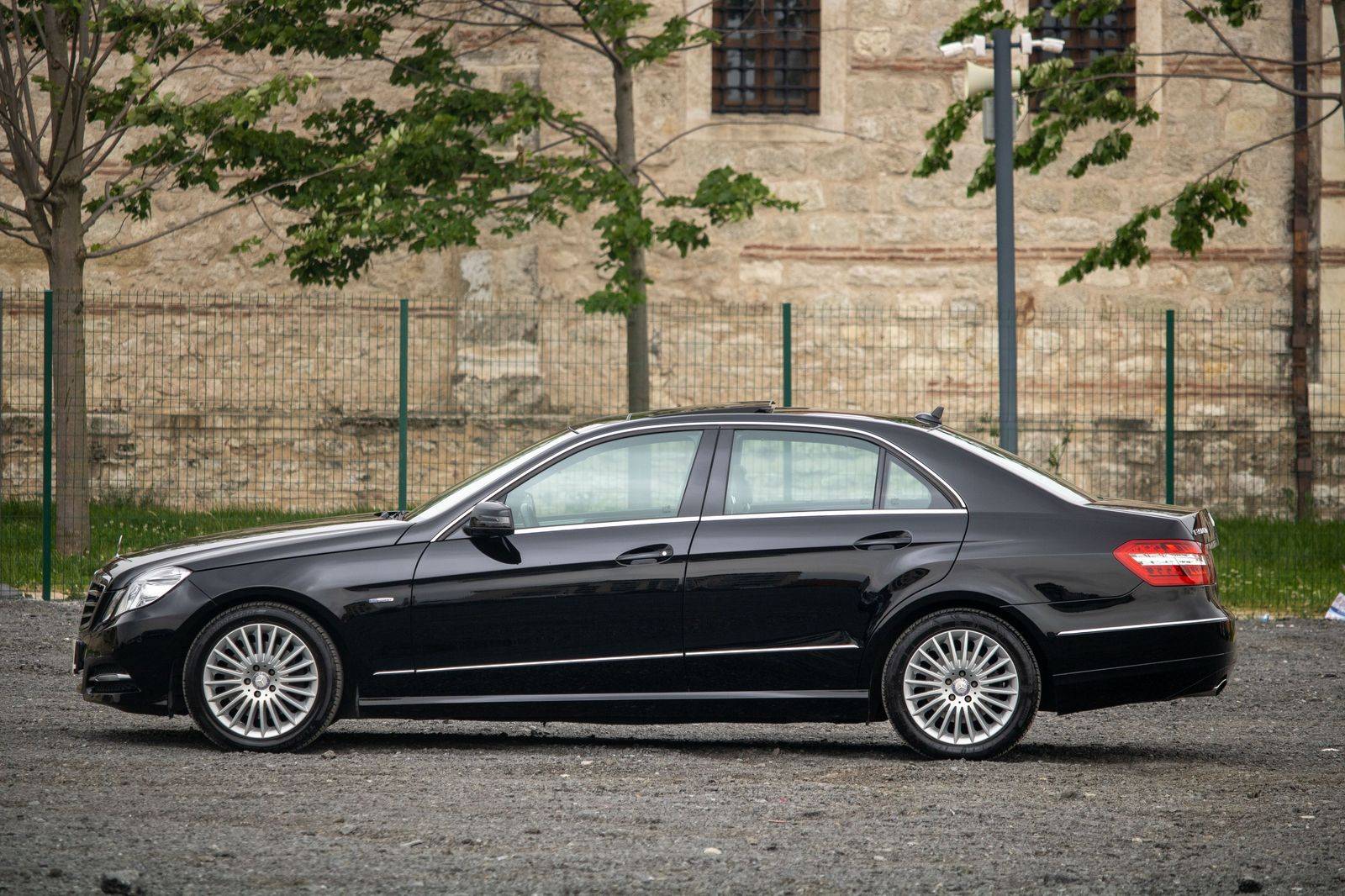
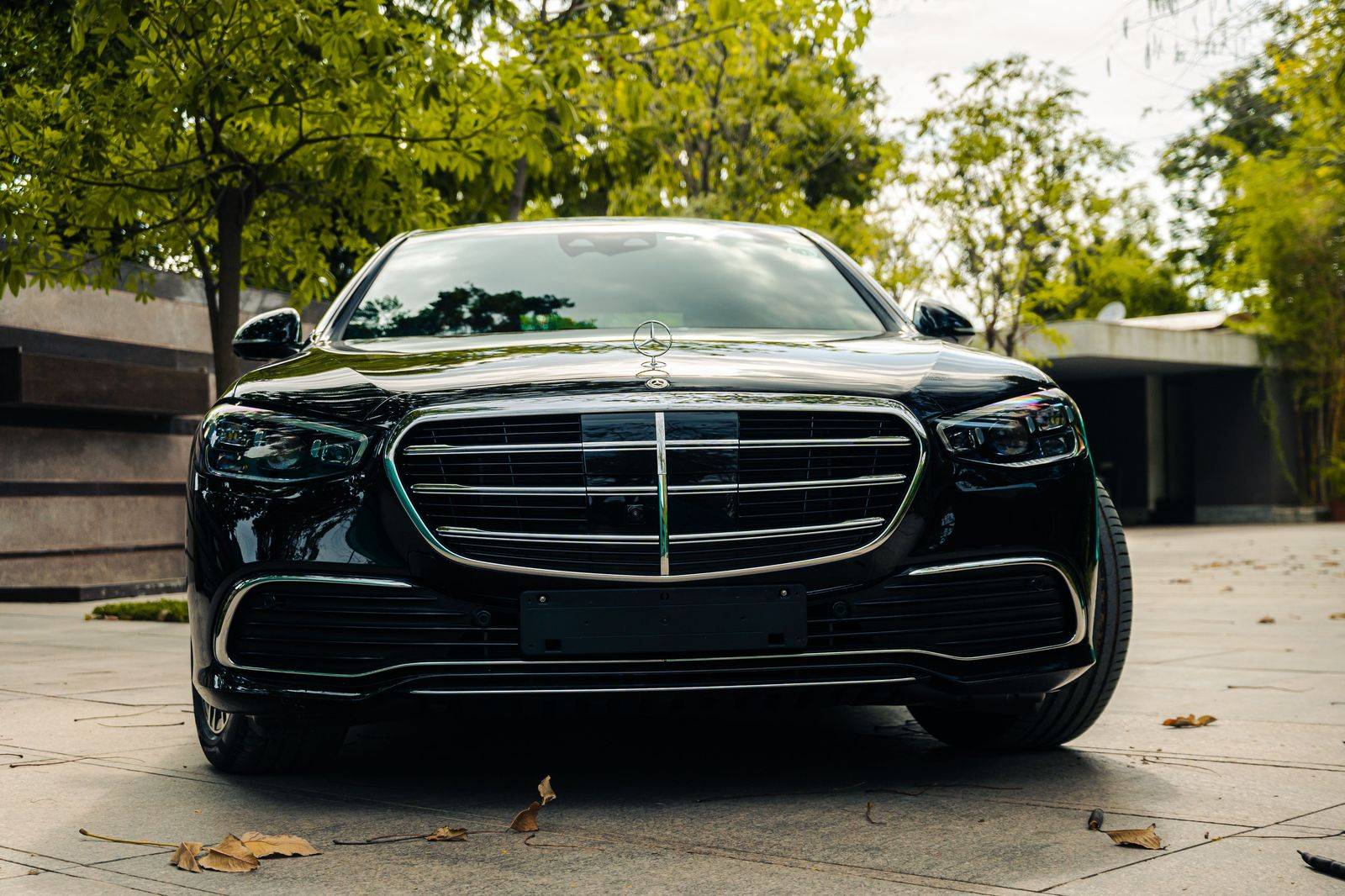
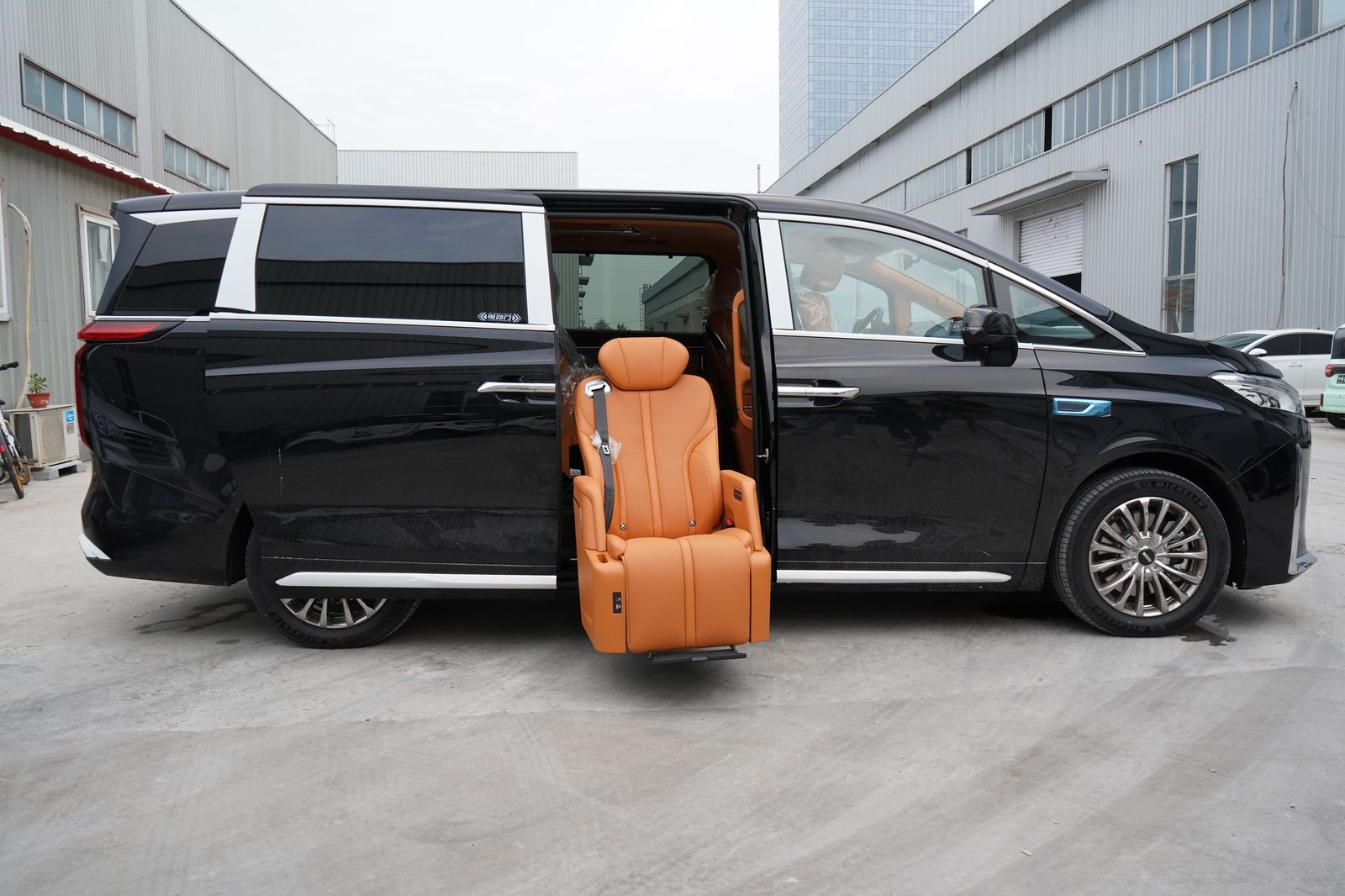
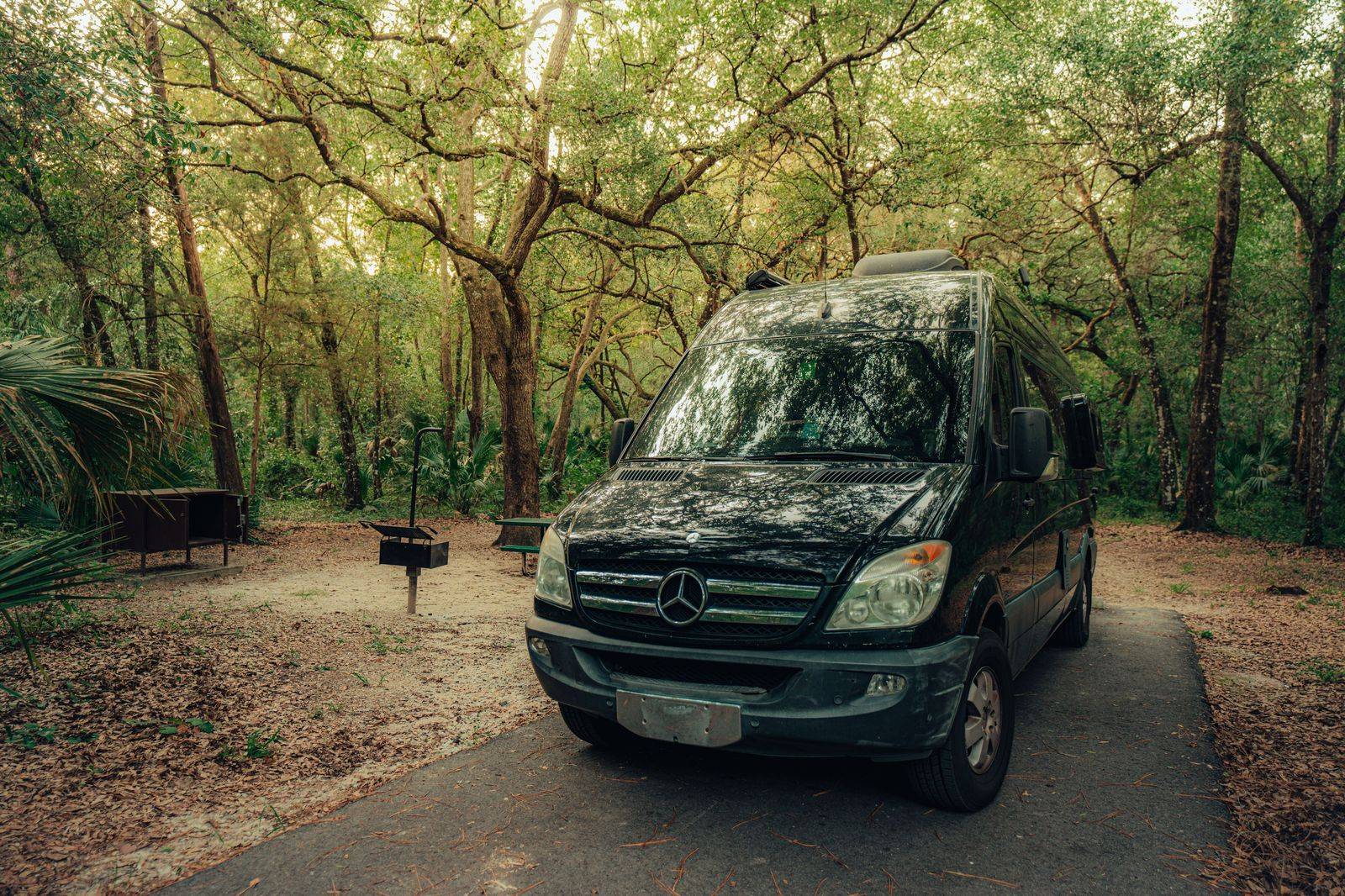
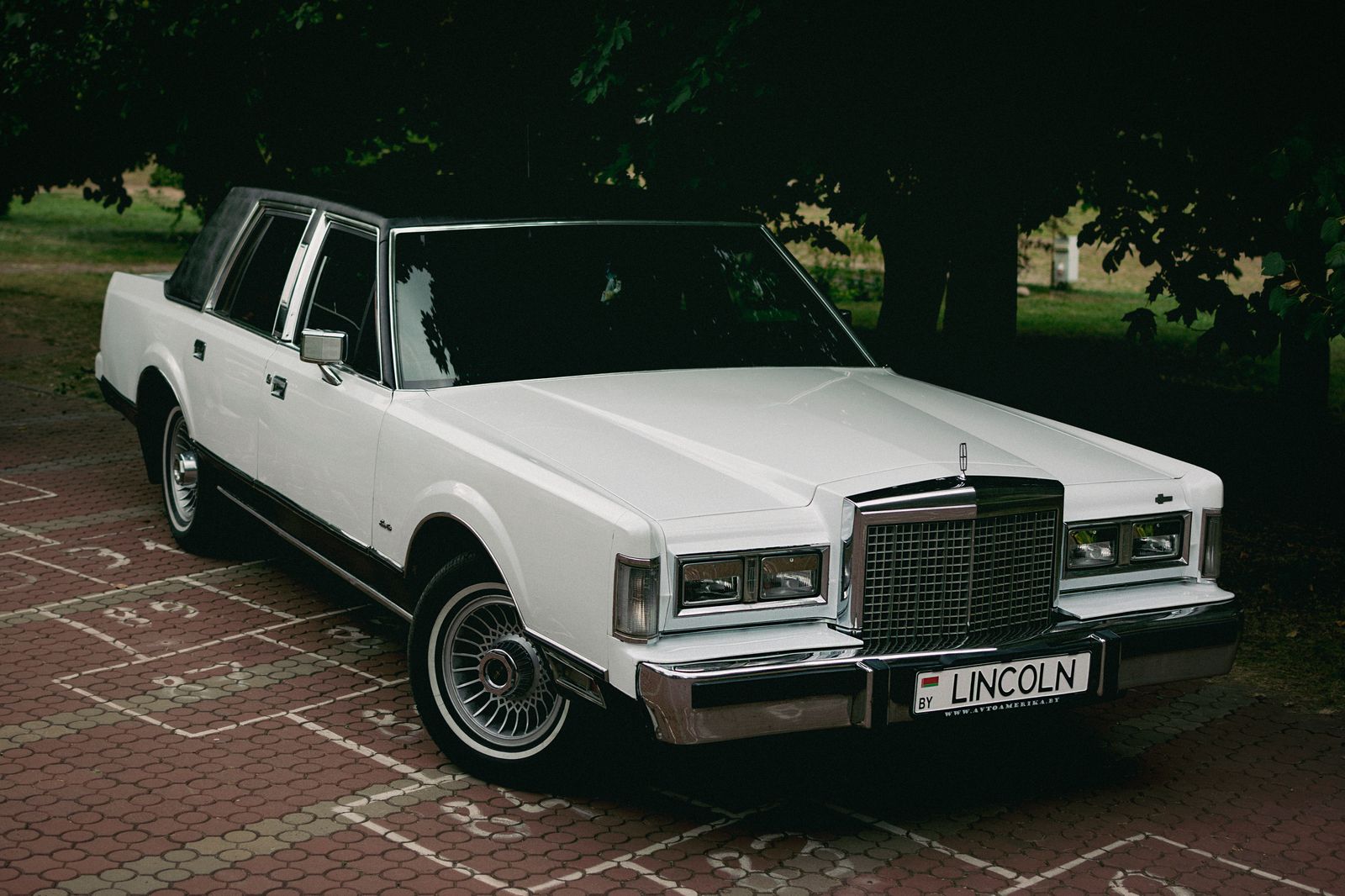
Most galas are run in first-class sedans and executive SUVs, black and unbranded, because that is what the carpet photographs well and what the guests expect. Stretch limousines are used where the organiser wants them or the occasion is theatrical; luxury vans and Sprinters carry tables of guests from a hotel together; and where an honouree arrives with a party, a lead sedan and a follow SUV are planned as a pair. The fleet page shows every class; the coordinator advises which mix suits the venue's carpet and holding area, because a street that takes ten sedans takes six SUVs.
Planning an event
Send the organiser's brief - date, venue, guest list or numbers, hotels, arrival windows if set, any protocol or security element - and a coordinator will return a written plan and quote within two working days, sooner for events inside a week. Multi-vehicle events are priced per vehicle per evening with the coordinator included; single cars for a gala are booked on the reservation engine as an hourly engagement in the class you choose. The gala transport planning guide walks organisers through the questions we will ask. Event professionals will recognise the method from the production standards taught by Meeting Professionals International and the International Live Events Association; we apply them to the cars.
A gala evening, minute by minute
16:00. The coordinator walks the staging route with the venue's front-of-house: the holding area two streets away, the approach, the mark on the carpet, the exit lane, the departure lane behind the building. Photographs of each are sent to every chauffeur with the car list.
17:30. Chauffeurs collect their guests from six hotels in an order worked back from the carpet schedule. A guest running late is told, kindly, that the car will leave at 18:20 and that the coordinator has moved their window.
18:35. Cars arrive in the holding area in carpet order and wait with engines off. The coordinator, at the mark, confirms the first window with the carpet manager on the organiser's radio.
18:50 to 19:40. Cars are called forward one at a time. Each stops with the rear kerb-side door on the mark; the chauffeur opens it on the carpet manager's signal, stands clear of the photographers' line, and pulls away on the coordinator's release. A guest who is not stopping is through in fifteen seconds; the honouree takes six minutes and the car behind waits for that difference without a word. Two guests arrive together unexpectedly; the coordinator holds one car at the approach for ninety seconds so that each has the carpet alone.
19:45. The last car clears. Every chauffeur repositions to the departure lane and waits. The coordinator moves to the exit door.
22:10 to 00:30. The organiser's team calls departures by table; the coordinator calls cars; each guest finds their own chauffeur, with their own bag and their own bottle of water, at the exit door. Guests who leave together in a different combination from the one they arrived in are simply re-assigned. The last car leaves at 00:30 and the coordinator signs off with the organiser.
What organisers ask us to solve
Organisers rarely come to us with a blank sheet; they come with a problem from last year. The photographers missed the honouree because two cars arrived at once. A sponsor's chief executive was left on the pavement for twenty minutes at midnight because his car had gone to the wrong door. A guest with a wheelchair could not use the carpet entrance and nobody had planned the alternative. The venue's street was closed by the police at 18:00 and half the cars did not know. Each of those is a planning failure, not a driving failure, and each is prevented by the arrival schedule, the staging plan and the coordinator. Organisers with a venue that has never hosted a carpet before, or a first-time gala, should send the brief early and let the coordinator walk the site; the worldwide gala calendar shows which weeks in which cities book out first.
Pricing
Event transport is priced per vehicle for the evening, with the coordinator included on events of six vehicles or more and the walk-through, the car list and the radio included in every event. Rates depend on the vehicle class, the city and the length of the evening; a written quote is returned with the plan. Organisers on a corporate account have the event coded to its budget and invoiced once. Cars for guests who are paying their own way can be booked individually on the reservation engine under the organiser's event name so that they join the same staging plan. The FAQ covers deposits and cancellation windows for planned programmes.