





































































































Protocol in a chauffeured vehicle is a small set of conventions: the senior passenger takes the seat behind the front passenger seat and is served first at every door; passengers are seated and addressed in order of precedence; a flag flies only on the principal's vehicle and only when the principal is in it; a motorcade keeps its order and its spacing and arrives and departs in sequence; and the chauffeur does everything without being asked. This guide sets the conventions out for hosts, protocol officers and organisers, and they are the ones RideRutz.com trains its chauffeurs to.
Why the conventions exist
Protocol is not ceremony for its own sake. It is the set of agreed answers to questions that would otherwise have to be asked, aloud, in front of people, at the worst moment: who gets into the car first, which seat is whose, whose car goes first, when the flag goes up. Answered in advance by convention, none of these needs a conversation, and an arrival that involves six people and three cars happens in silence and in order. The conventions below are drawn from the published practice of protocol offices such as the U.S. Department of State (Office of the Chief of Protocol) and Global Affairs Canada, from the Vienna Convention on Diplomatic Relations that frames the status of missions, and from decades of chauffeured practice; where a host's own protocol differs, the host's rule applies and the chauffeur is briefed on it.
Precedence
Precedence is the order of rank among the people present, and it decides everything else. Within a government it follows office; within a diplomatic corps it follows the date of presentation of credentials; within a company it follows the organisation chart; at a private occasion it follows the host's decision. The host's protocol office or the delegation's own list states the order for a given occasion, and the chauffeur is briefed on it by the coordinator. When no list exists, the coordinator applies the conventions: office before seniority, guest before host at the host's own event, the honouree above all but the head of state.
Seating in a chauffeured car
| Vehicle | Seat of honour | Second | Third | Front passenger seat |
|---|---|---|---|---|
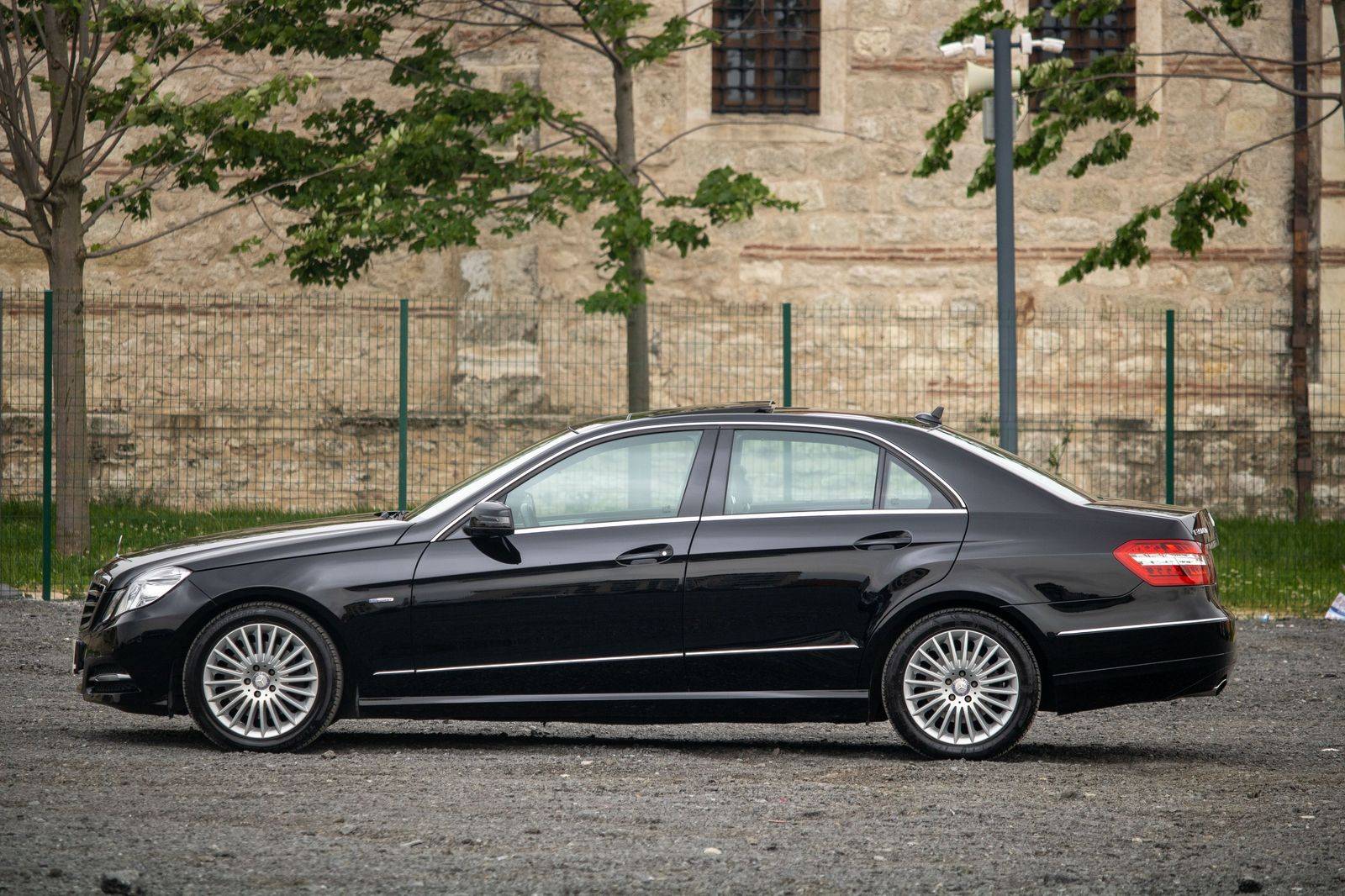
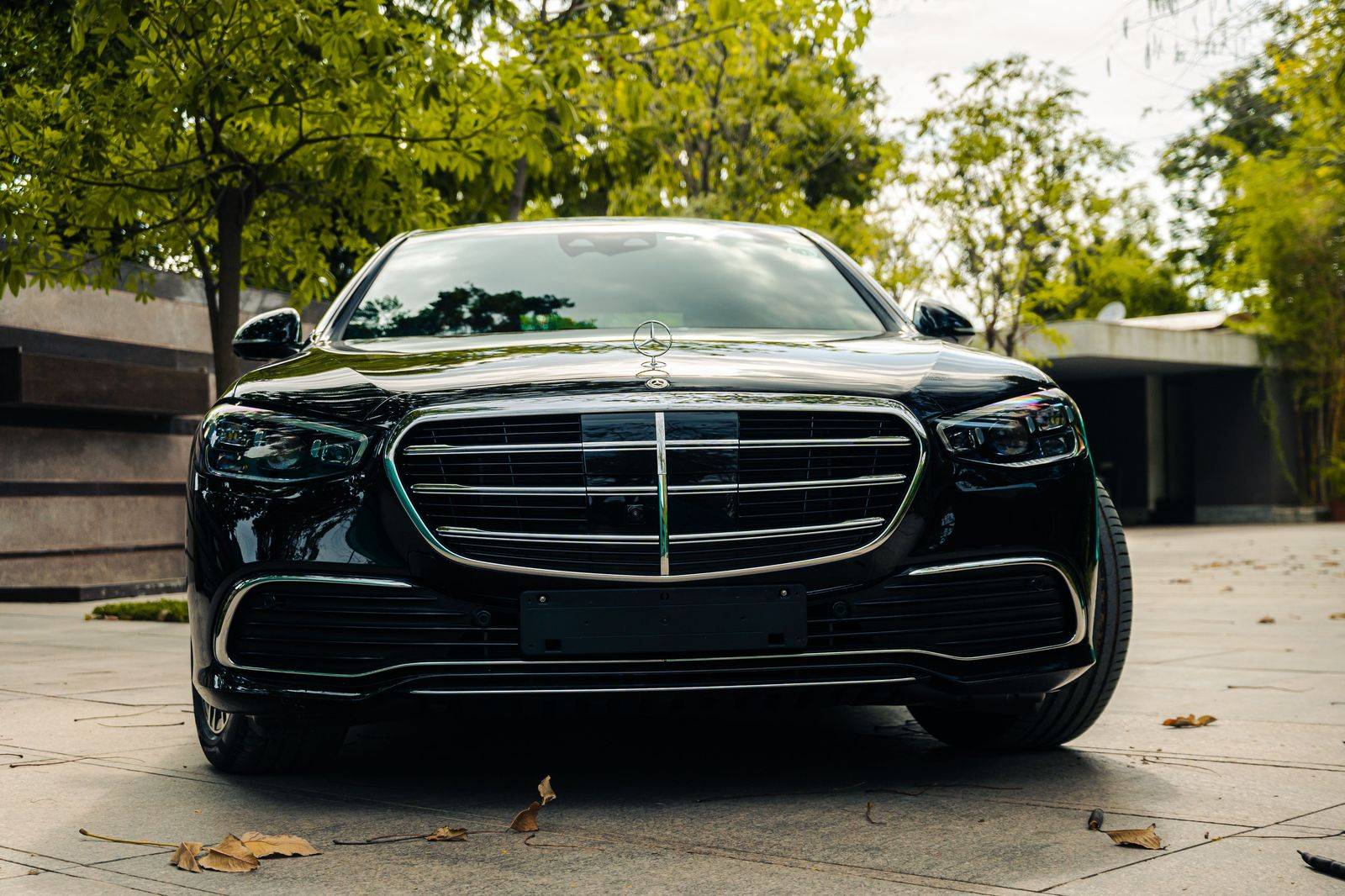
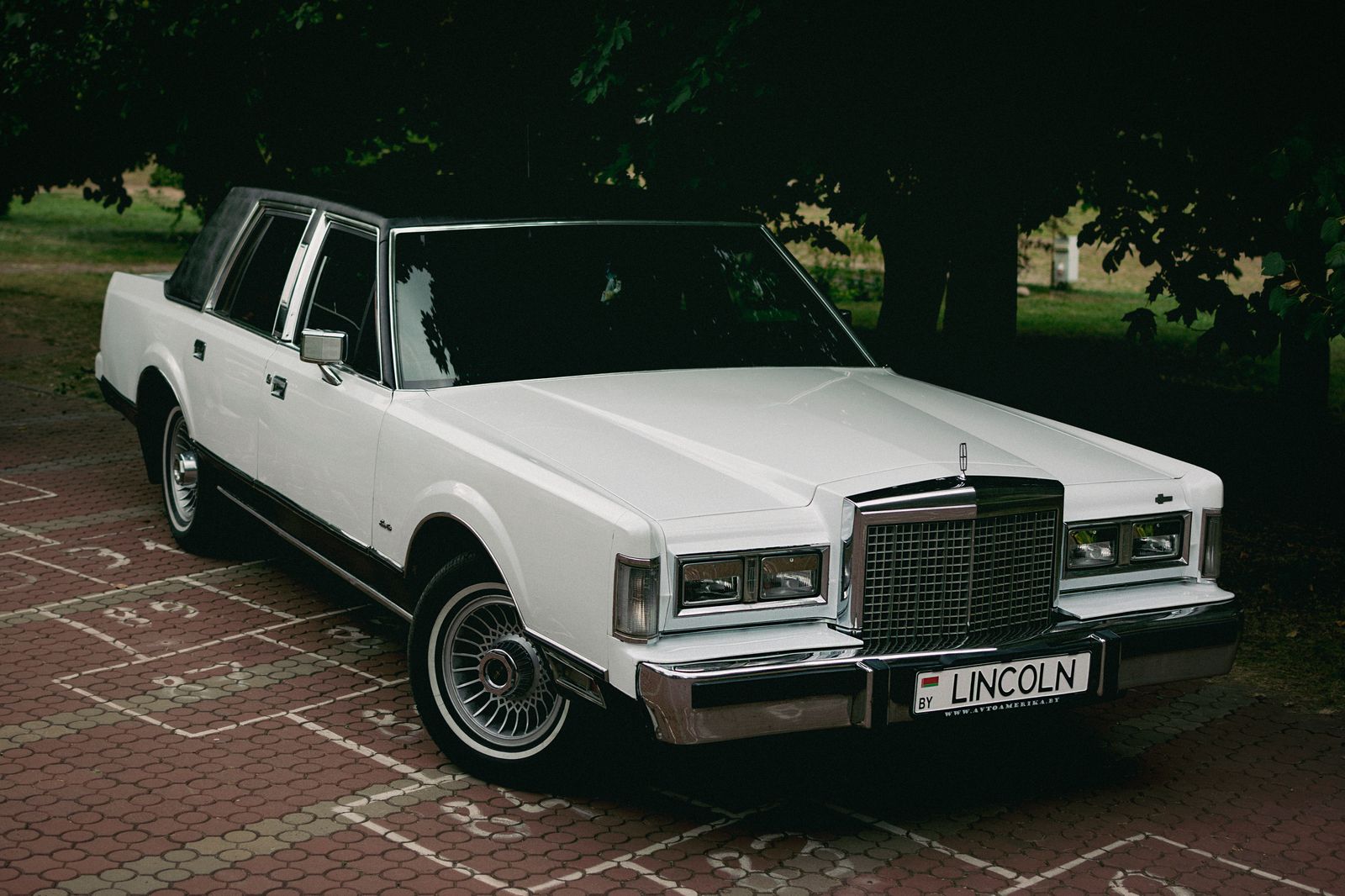
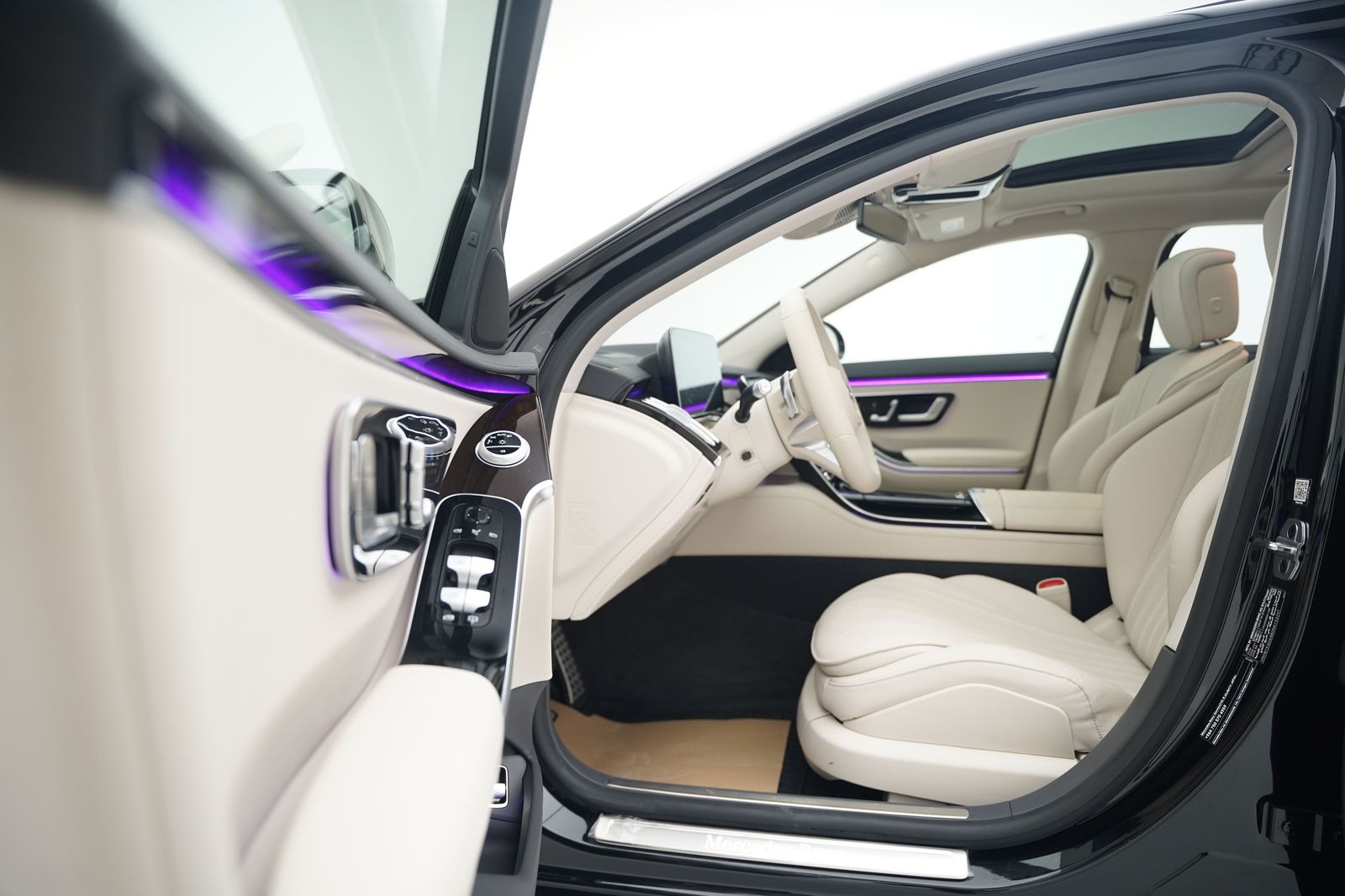
| Sedan, chauffeur-driven | Rear seat behind the front passenger (kerb side in left-hand-drive countries) | Rear seat behind the chauffeur | Rear centre, if used at all | Aide, interpreter, protection officer or protocol officer |
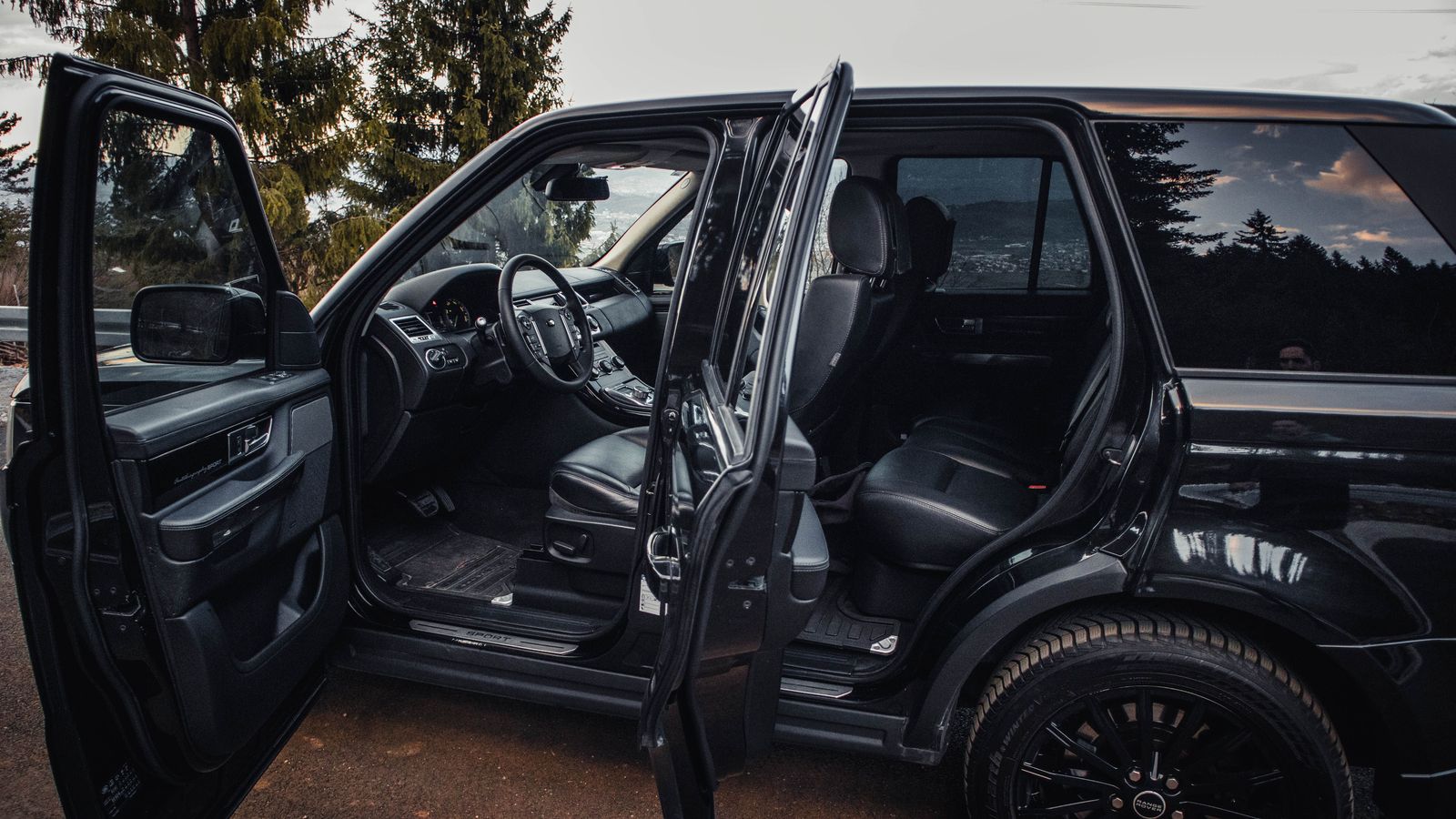
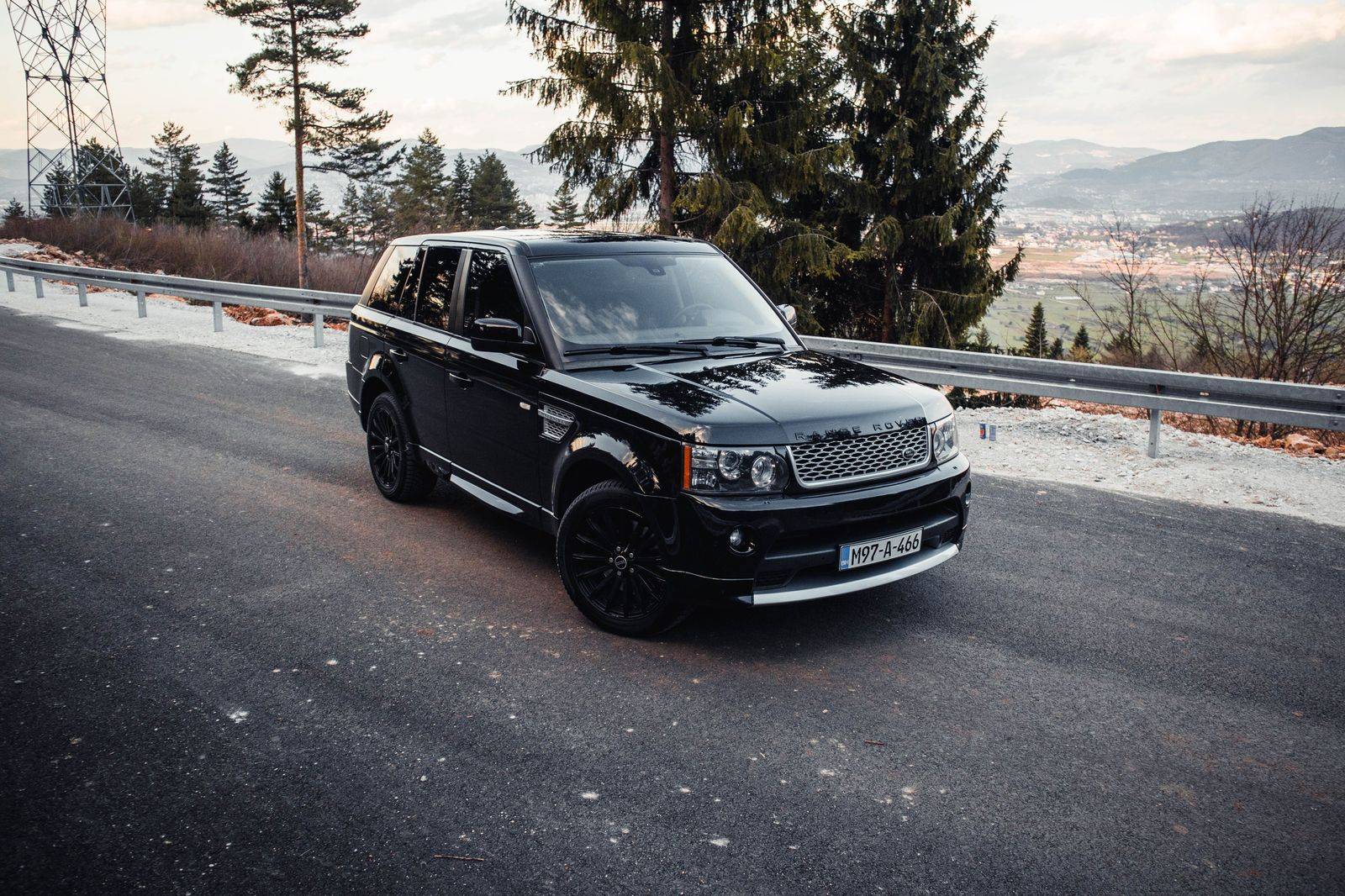
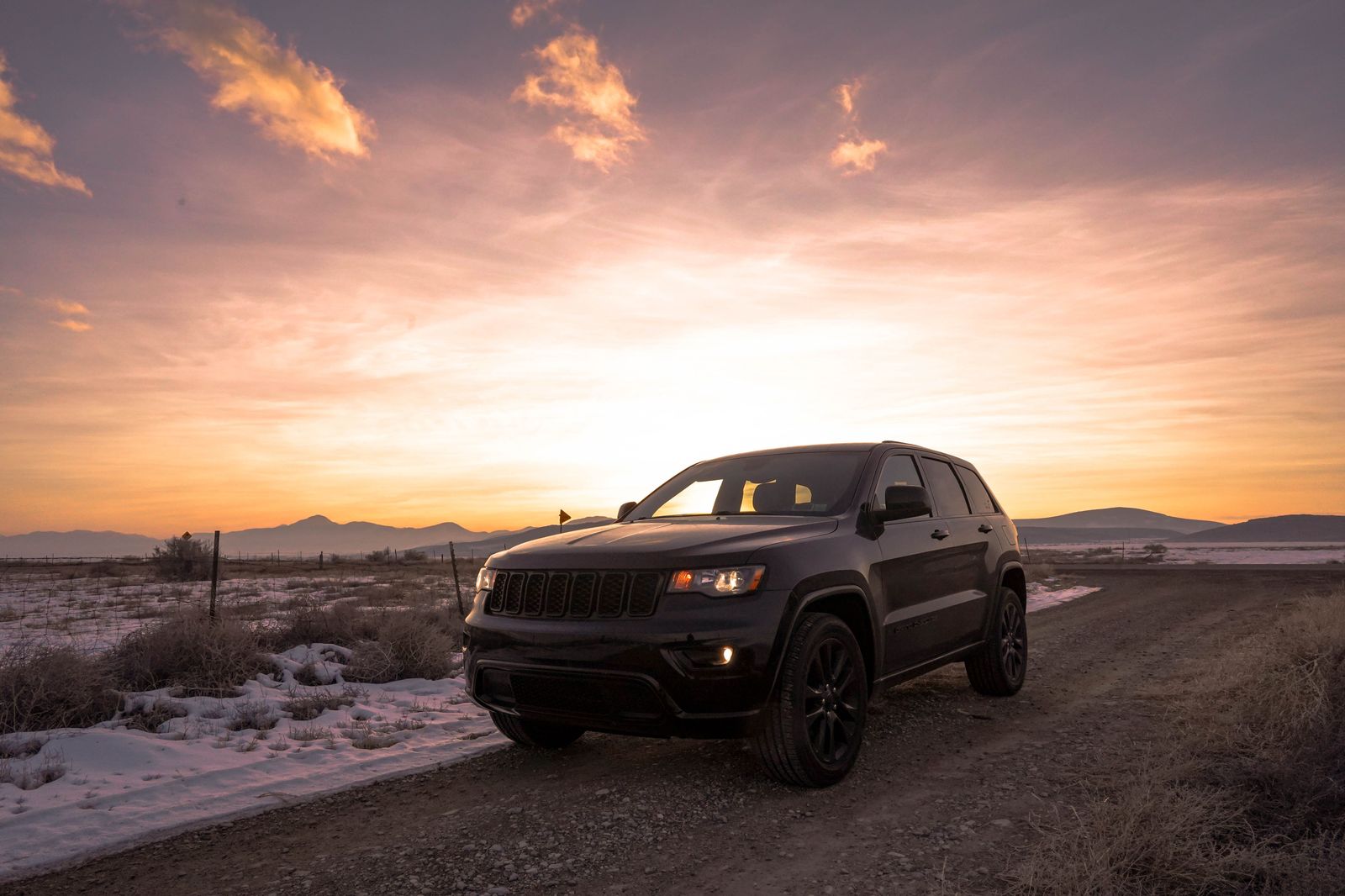
| Executive SUV, three rows | Second-row kerb side | Second-row behind the chauffeur | Third row, in order | Aide or protection officer |
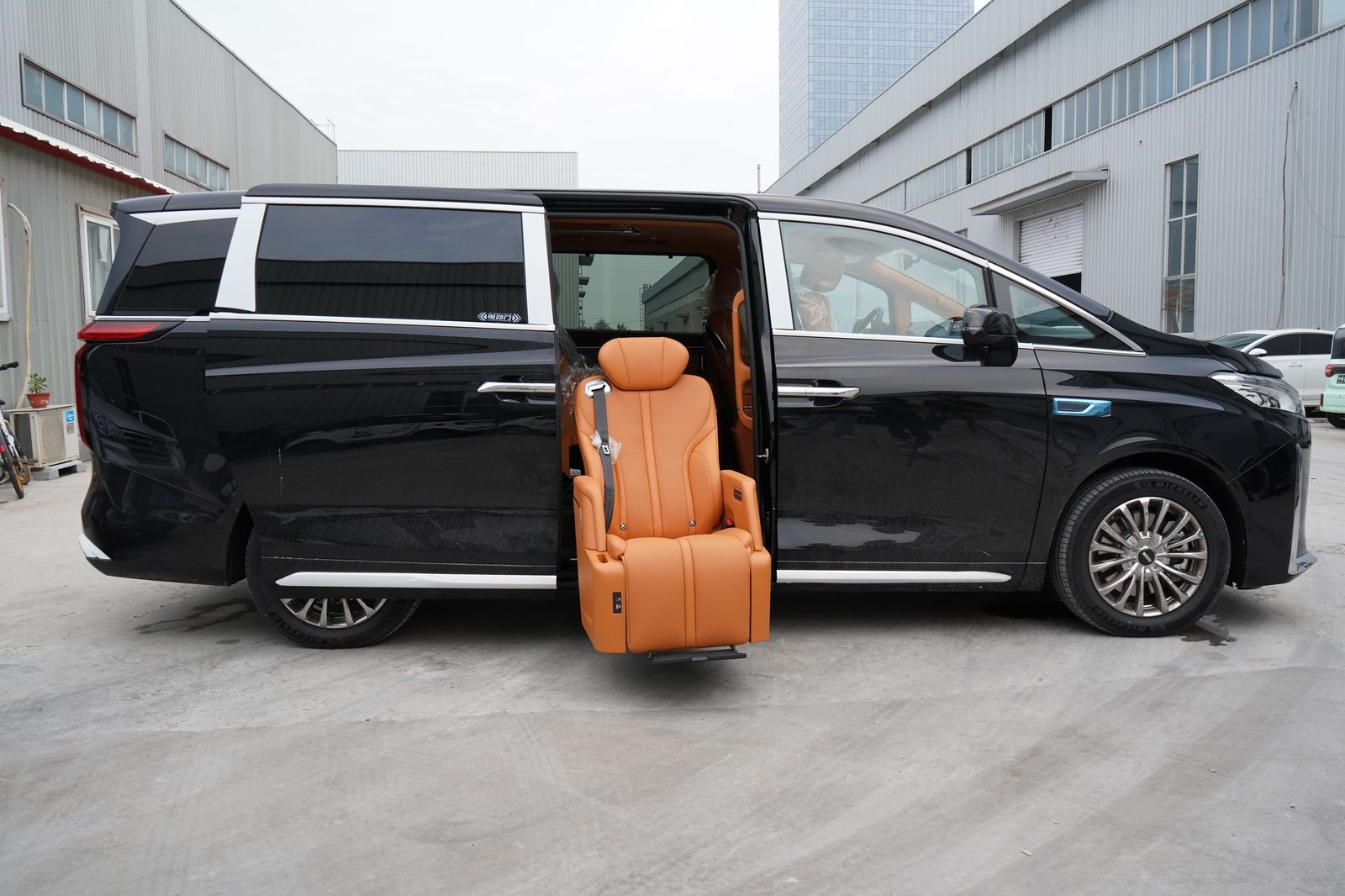
| Luxury van, lounge seating | Rear-facing or forward-facing seat the host designates, usually the forward-facing kerb-side seat | Opposite the principal | Remaining seats in order | Aide |
| Stretch limousine | Rear bench, kerb side | Rear bench, far side | Side seats in order | Aide |
The principal enters and leaves through the kerb-side rear door, which the chauffeur opens first; a second principal uses the far door or waits for the chauffeur to come round. In countries that drive on the left, the kerb side is the left and the conventions mirror. An aide, an interpreter or a protection officer sits in front; a spouse sits beside the principal unless the occasion separates them. The chauffeur loads the principal's bag first and unloads it last.
Doors and order of service
The chauffeur serves the senior passenger first at every door, at every stop, without exception; a junior passenger who reaches the car first waits. On arrival the chauffeur opens the principal's door, then goes round to the second; on departure the same. Where a protection officer is present, the officer opens the principal's door and the chauffeur remains at the wheel. Where a host is receiving at the door, the chauffeur stops with the principal's door exactly opposite the host, so that the principal steps from the car to the greeting.
Flags and pennants
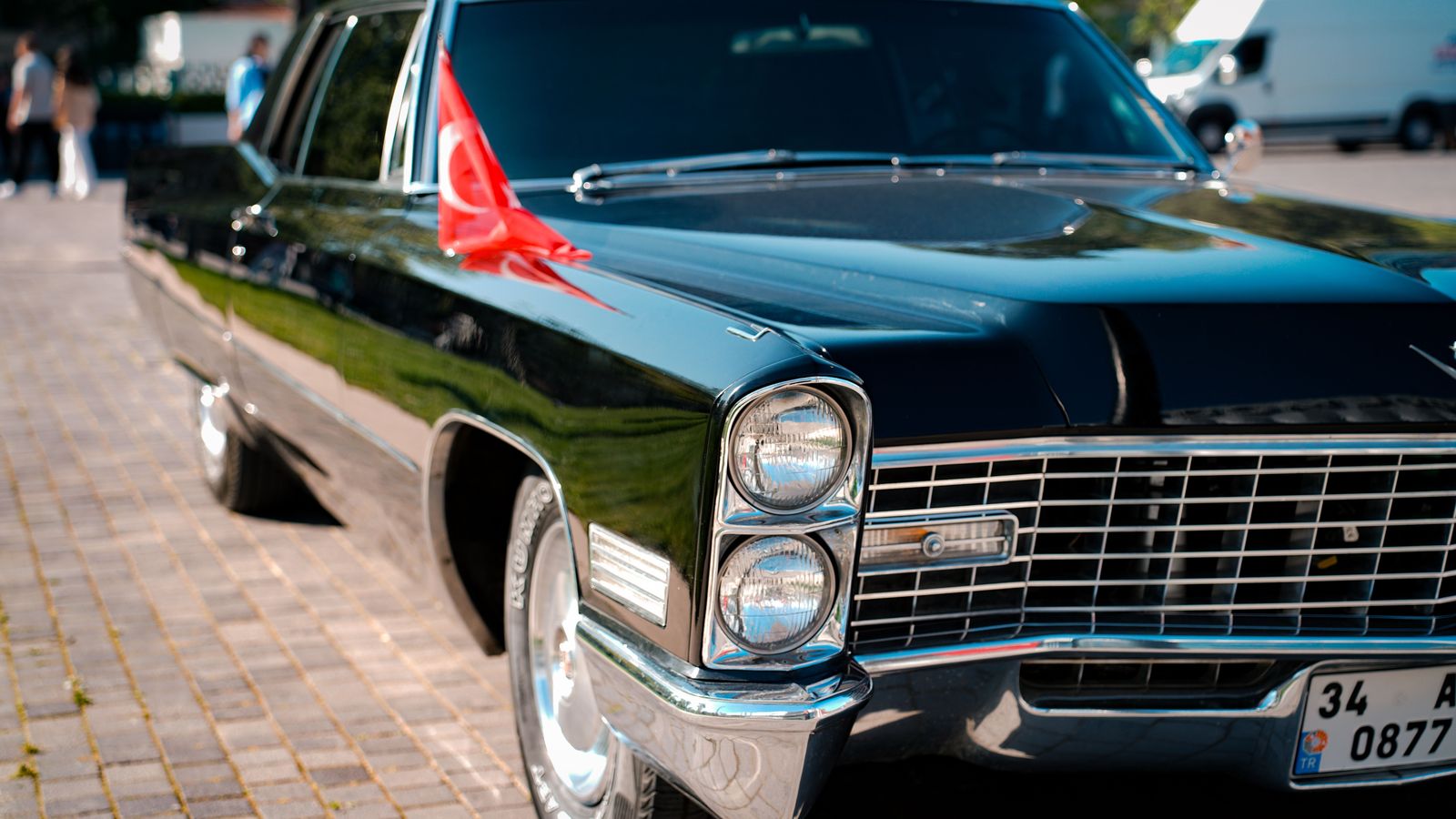
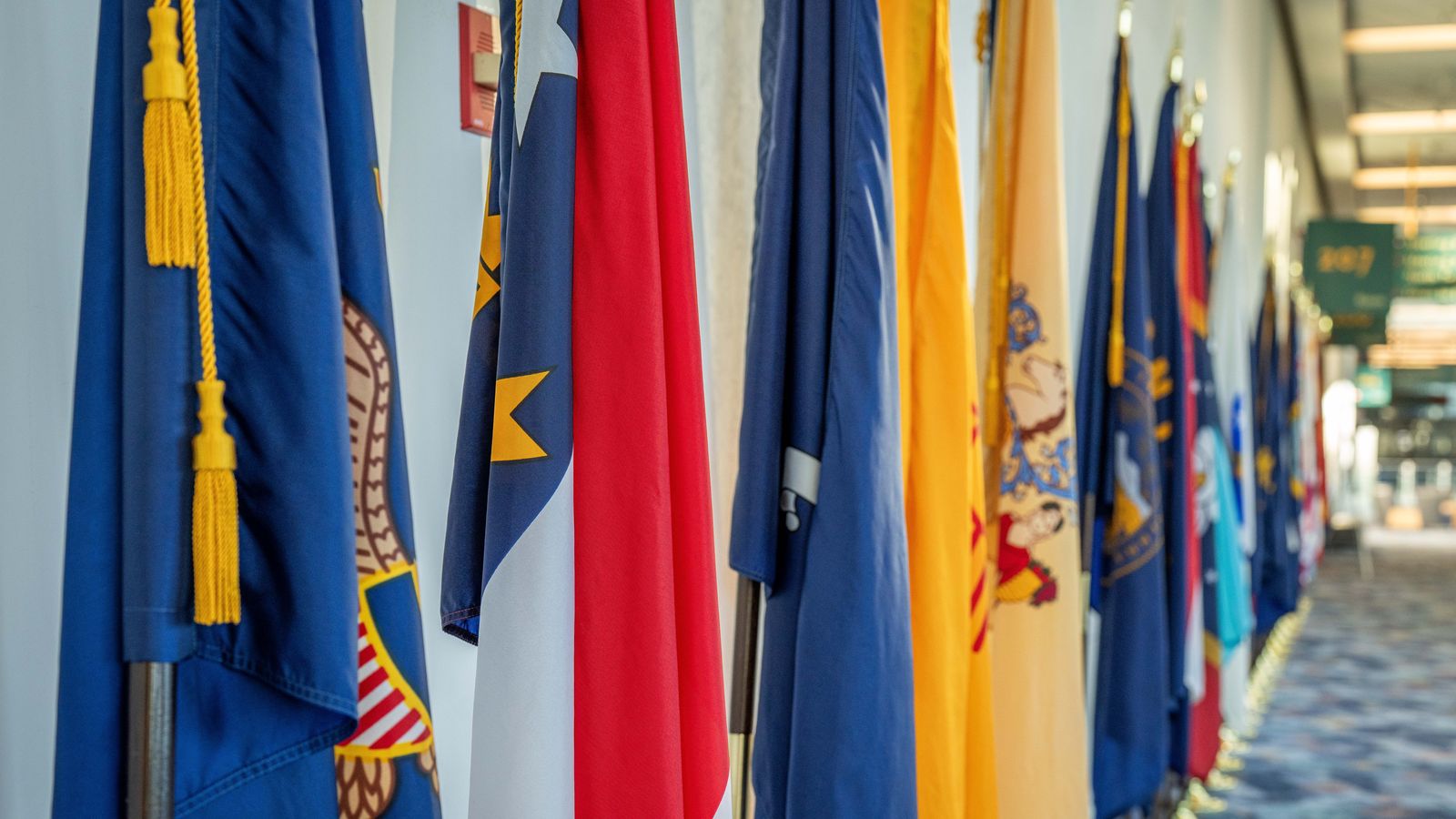
A national flag is flown on a vehicle only when the head of state, head of government, foreign minister or head of mission it represents is in the vehicle, and only on that vehicle. A head of mission's flag flies on the official car in the country of accreditation; a visiting minister's flag flies by the host's arrangement. The flag is mounted on the bonnet staff or the front fender - the right fender in most conventions, the left in some - and cased when the principal leaves the car. Where two flags are flown - the visitor's and the host's - the visitor's takes the position of honour. The flag is supplied by the mission; the chauffeur mounts, checks and cases it. Pennants, plates and insignia follow the mission's own rules and are fitted on instruction.
The motorcade
A motorcade is any movement of two or more vehicles in formation, and its rules are simple: order, spacing, unity. Order: the police or pilot vehicle where the host provides one; the lead vehicle with the protocol or security lead; the principal's vehicle; the follow vehicle with security and staff; further delegation vehicles in precedence order; a spare; a tail vehicle. Spacing: set by the lead, held by everyone, close enough that no vehicle can enter the convoy and far enough to stop. Unity: the motorcade moves as one through intersections, does not overtake itself, does not stop for a straggler, arrives in order and departs in order. RideRutz.com chauffeurs are trained in lead, principal and follow positions on a mock motorcade, and work to a police lead or a protection lead where one is in charge. The diplomatic chauffeur service page describes the engagement; Wikipedia's account of the motorcade gives the history.
Arrivals and departures at official venues
At a ministry, a residence, a parliament or a palace there is a designated arrival point, an approach, a place where the principal's door should stop and a place where vehicles wait. The host's protocol office states them; the coordinator briefs the chauffeurs with a diagram. The principal's car arrives first or last according to the host's convention - last for the guest of honour at a dinner, first for a visiting head of delegation at a working meeting - and the coordinator sequences the motorcade accordingly. At a departure the cars are called in reverse order so that the principal's car is at the door when the principal emerges, and the motorcade re-forms on the move.
Red carpets and receiving lines
A carpet is a motorcade of one: the car approaches at walking pace, stops with the kerb-side rear door on the mark, and the chauffeur opens it on the marshal's signal. Where a receiving line waits at the top of the steps, the principal is not delayed on the carpet beyond the photographs the host wants; the chauffeur withdraws the car on the coordinator's release. The gala and event transportation page describes the staging plan and the gala transport planning guide the organiser's timeline.
Titles, forms of address and the chauffeur's greeting
The chauffeur greets the principal once, by the title the briefing gives - "Minister", "Ambassador", "Your Excellency", "Madam", "Sir" - and by name where the briefing says so, and thereafter speaks only when spoken to. Forms of address follow the host country's convention for foreign dignitaries and the dignitary's own for their staff; the coordinator confirms them from the protocol office's list. A chauffeur never uses a first name, a nickname or a public name unless instructed.
Discretion
Protocol without discretion is theatre. Nothing seen or heard in the car is repeated; no photograph is taken; no confirmation of who is in the car is given to anyone; the vehicle's registration is shared only with the host's security. The chauffeur training and protocol page publishes the confidentiality undertaking and the conduct rules that accompany every convention above.
Briefing the cars
A host or protocol officer briefs RideRutz.com's coordinator, not the chauffeurs, with: the programme and its timings; the precedence list; the seating for each vehicle; the flag arrangements; the arrival points and approaches at each venue; the motorcade order; the contacts at each venue; and any special rule - a gate procedure, a nationality restriction, a silence in a particular place. The coordinator turns it into a car plan and a briefing diagram for each chauffeur, rides with the delegation or stands at the hotel, and adjusts as the programme changes. The conference and summit transportation page shows the multi-delegation version.
Worked examples
A minister's call on a foreign ministry. The motorcade - police pilot, lead sedan with the host's protocol officer, the minister's first-class sedan with the flag flying, an executive SUV with the minister's security officer and private secretary, a luxury van with the delegation, a spare - leaves the hotel in order at the minute the programme states. At the ministry's forecourt the minister's car stops with the kerb-side rear door opposite the receiving official; the chauffeur opens it; the minister steps from the car to the greeting; the follow vehicles stop behind in order and their passengers alight in precedence; the flag stays up while the minister is inside because the minister will return to the car; the vehicles wait where the ministry's security indicates. On departure the cars are called in reverse order so that the minister's car is at the door when the minister emerges.
A chief executive and a chairman sharing a car. The chairman takes the seat of honour behind the front passenger seat; the chief executive sits behind the chauffeur; the chief of staff sits in front. The chauffeur opens the chairman's door first at every stop. Nobody has discussed it.
A gala with an honouree, a sponsor's chief executive and an ambassador. The ambassador arrives last of the three by the host's convention, the honouree before the ambassador, the sponsor's chief executive before the honouree; each is in a separate car with its own window; the coordinator sequences the cars at the holding area and the carpet manager signals each door. The ambassador's car flies no flag because the occasion is private and the host's protocol office has not asked for one.
A delegation of nine at a summit. The head of delegation rides in the lead sedan and is met first, seated first and delivered first; the deputy head in the second row of the SUV, kerb side; the rest in the van in the order on the delegation list; the convoy holds its order through the accredited lane and the delegates alight in precedence at the delegation entrance. The conference and summit transportation page describes the week.
Corporate protocol
Companies have protocol too, and the same conventions apply in simplified form: the chairman or chief executive takes the seat of honour, the board is seated by seniority, a visiting client outranks the host's own executives in the host's car, the convoy leaves when the senior passenger is seated. A chauffeur who applies these without being asked spares an executive assistant a great deal of awkwardness, and the executive chauffeur service page describes the result from the principal's seat. Where a company has its own conventions - a founder who always sits in front, a board that travels in alphabetical order - they are recorded on the corporate account profile and applied.
Sources and further reading
The conventions in this guide are drawn from the published practice of national protocol offices, the diplomatic framework of the Vienna Convention, the United Kingdom's FCDO guidance on precedence and hospitality, and long chauffeured practice; the chauffeurs page shows how they are trained and assessed. Where a host's own protocol office issues an order of precedence, a seating plan or a flag rule for an occasion, that document governs and the chauffeurs are briefed on it.