









































































































A chauffeur is trained to make a principal's day effortless and discreet; a security driver is a chauffeur additionally trained in defensive and evasive driving, route reconnaissance, door drill and convoy procedure who works inside a protection detail. Most principals need the first. A principal whose risk assessment identifies a threat - a contested transaction, a public profile with hostility, a diplomatic posting with a mission requirement, travel to a city with a kidnap or carjacking history - needs the second, and if the threat is serious, a protection detail as well. This guide sets out how to decide.
Two different jobs in the same seat
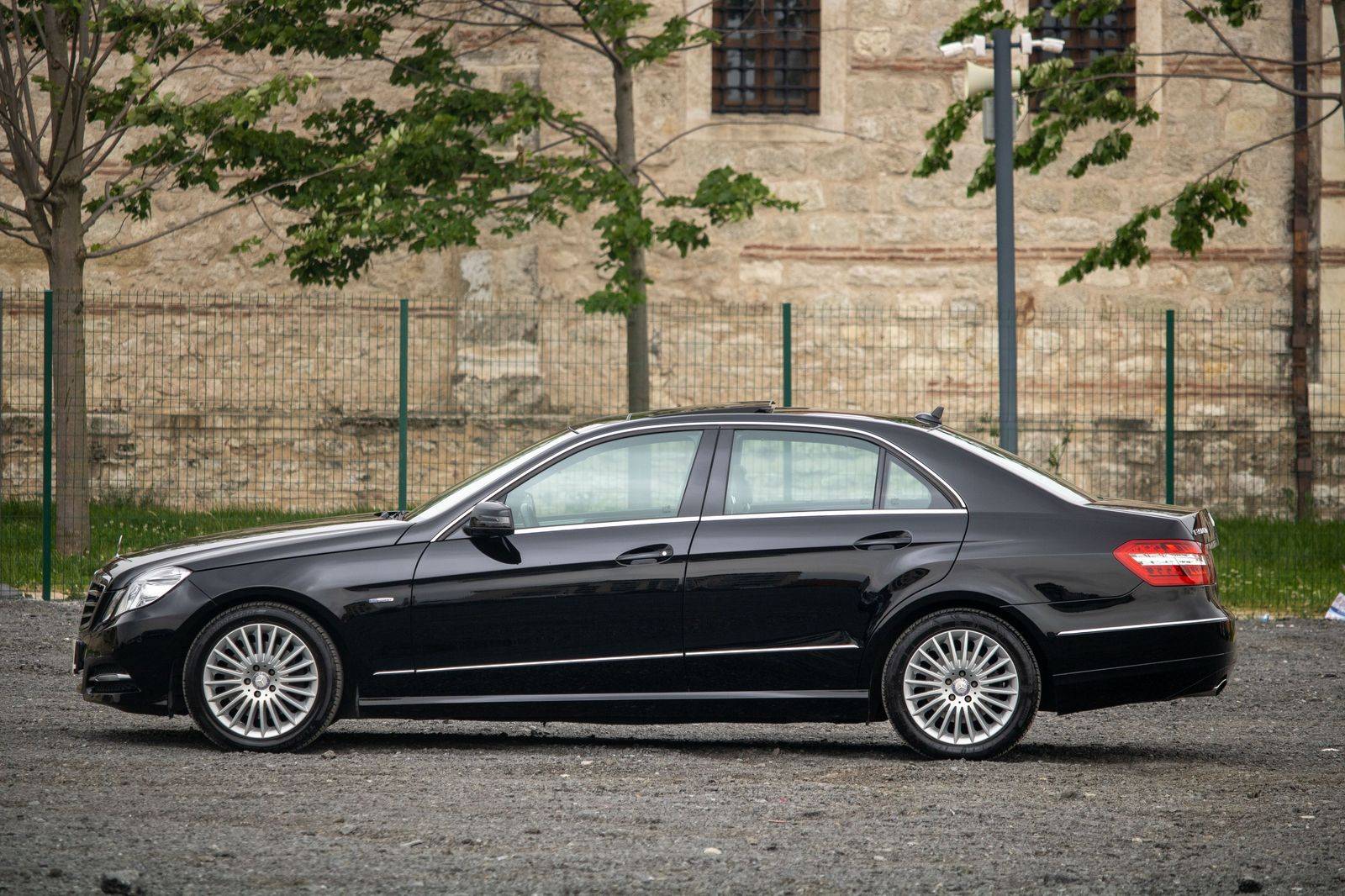
Both sit at the wheel of a black vehicle in a dark suit and both are silent unless spoken to, which is why they are confused. The difference is what each is thinking about. The chauffeur is thinking about the principal's comfort and the day's timing: the route that avoids the roadworks, the door that opens before the principal reaches for it, the loading bay where the car can wait, the umbrella. The security driver is thinking about the vehicle as the safest place the principal will be all day: the route that avoids being boxed, the position at each stop that allows a fast departure, the vehicle that has been checked, the following car, the actions if something happens. RideRutz.com's chauffeur standard produces the first; its security-trained chauffeur service produces the second, and it does not pretend that either is the other.
What each is trained to do
| Chauffeur | Security driver | |
|---|---|---|
| Vetting | Background, driving record, references, road assessment | The same, plus assessment by a protective-driving instructor |
| Training | Protocol programme: door drill, precedence, carpet, motorcade, confidentiality | Protocol programme plus defensive and evasive driving, route reconnaissance, threat awareness, embus and debus drill, convoy driving, radio procedure, first response, protected-vehicle handling |
| Before the day | Checks the route for traffic; confirms entrances and waiting | Reconnoitres primary and alternate routes and venues; builds a route card; checks the vehicle |
| At a stop | Opens the door; waits nearby; carries luggage | Positions nose-out; stays at the wheel; the detail opens the door; never leaves the vehicle |
| In traffic | Drives smoothly and quietly | Keeps an escape gap; avoids being boxed; holds convoy spacing |
| Works with | The passenger, the assistant, the coordinator | The protection lead, the detail's radio net, the coordinator |
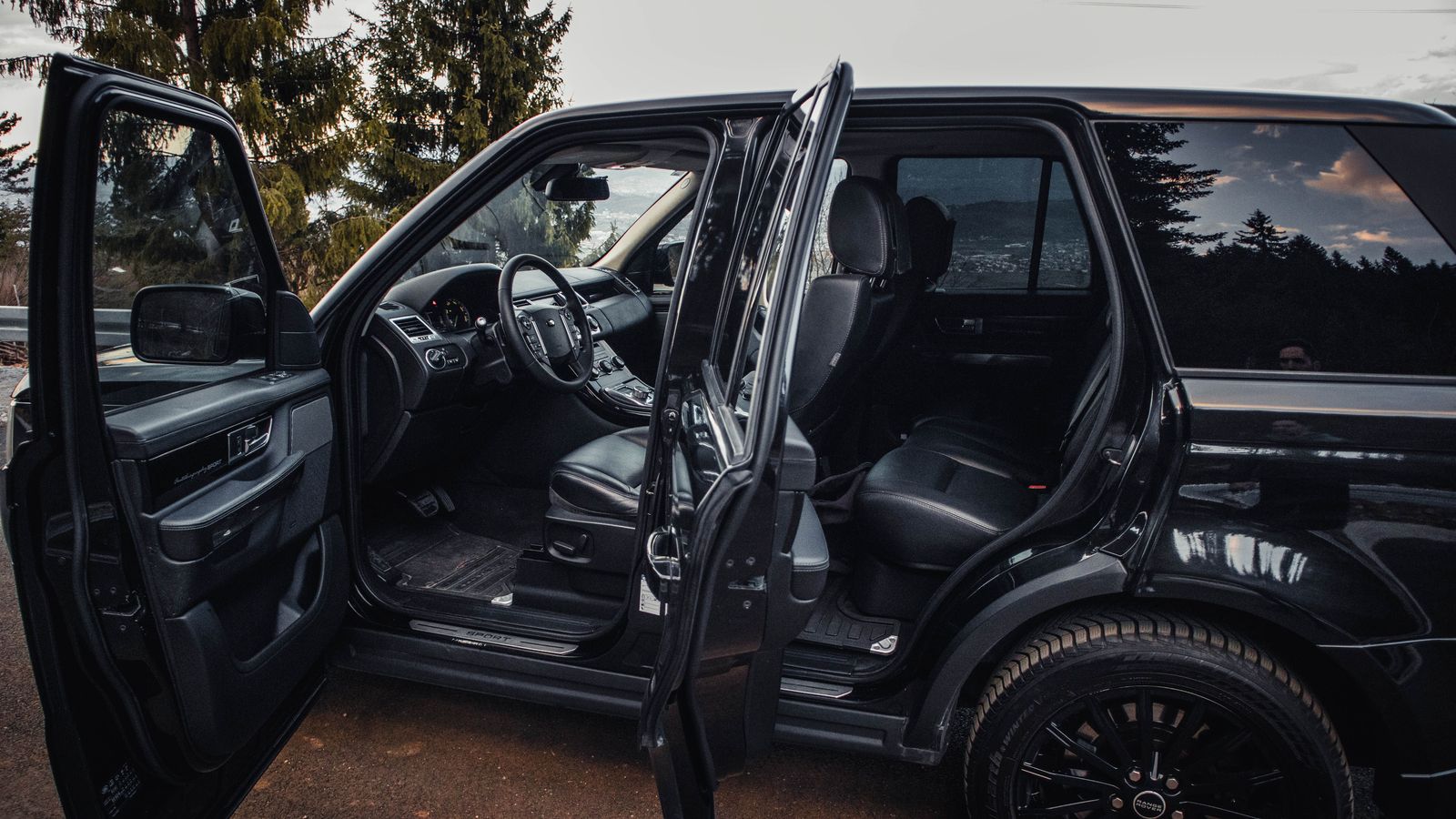
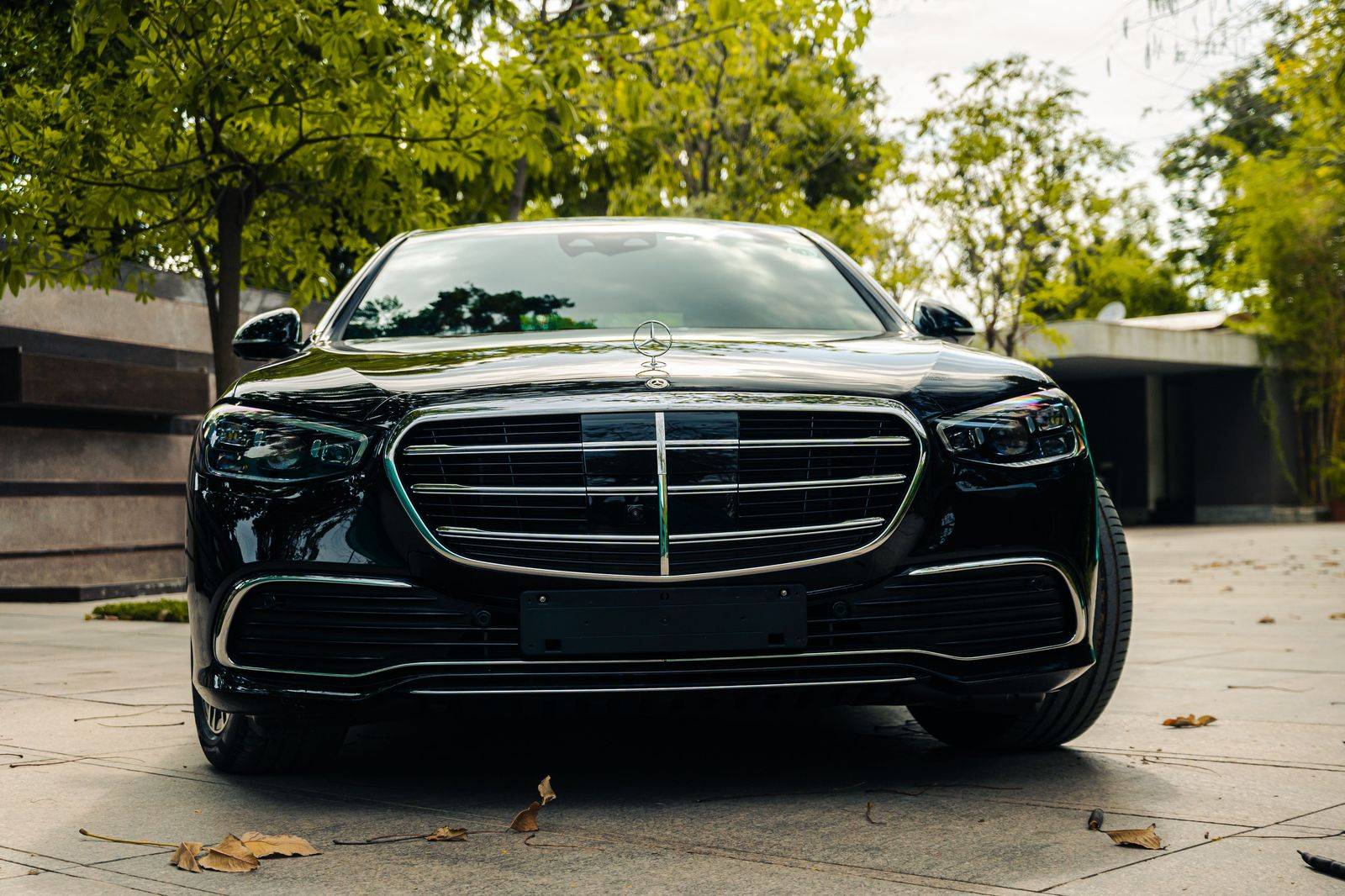
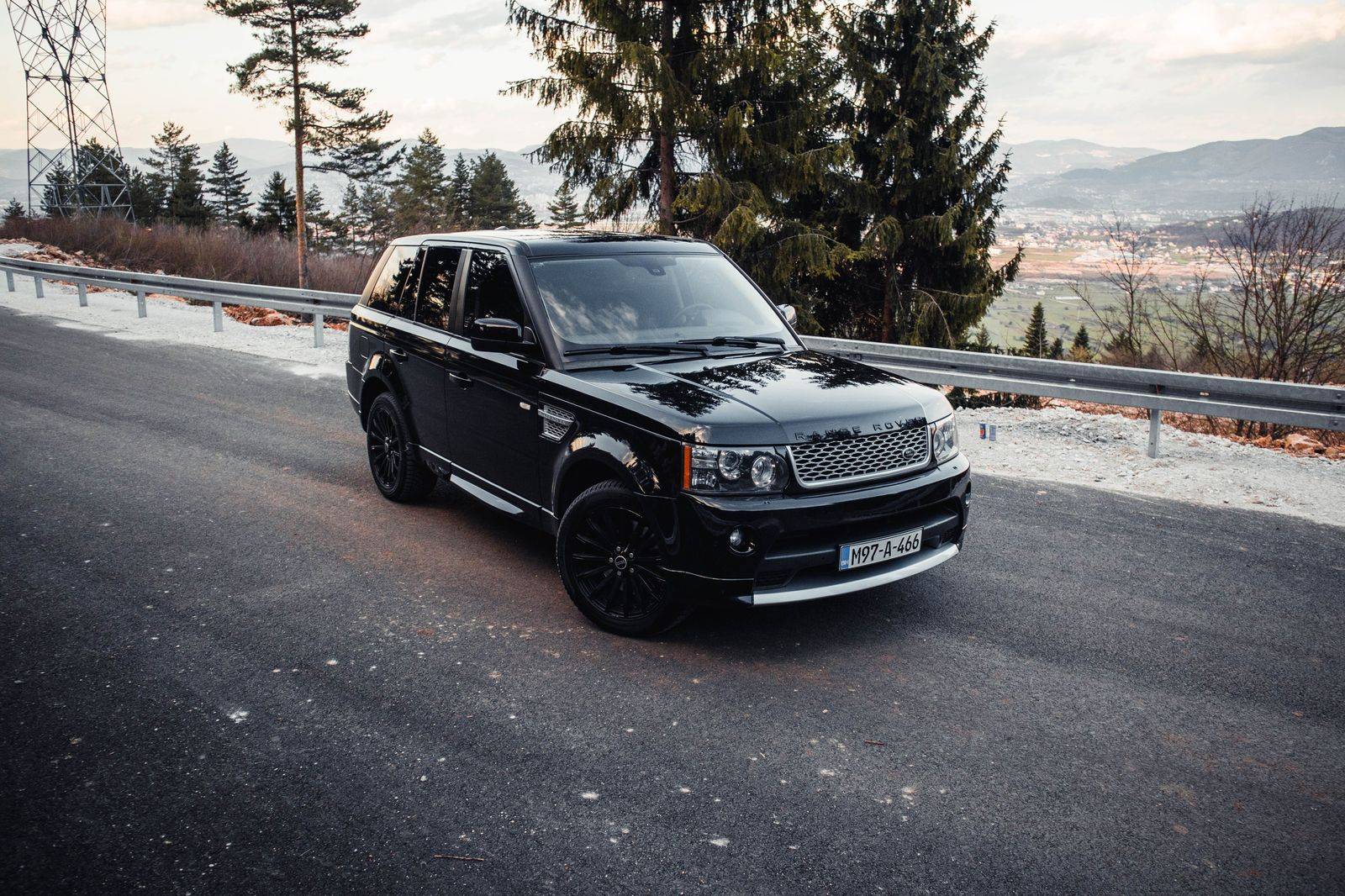
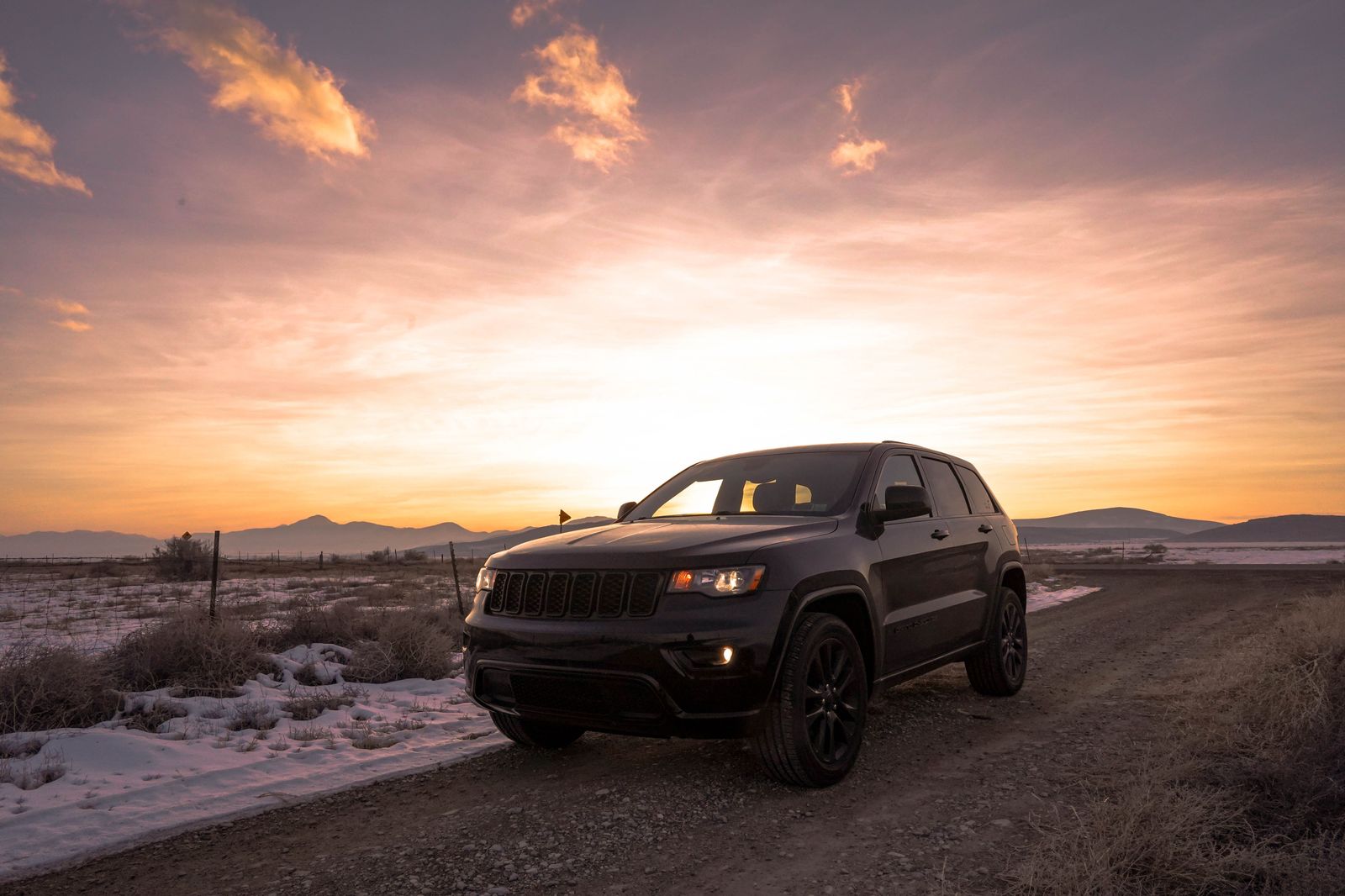
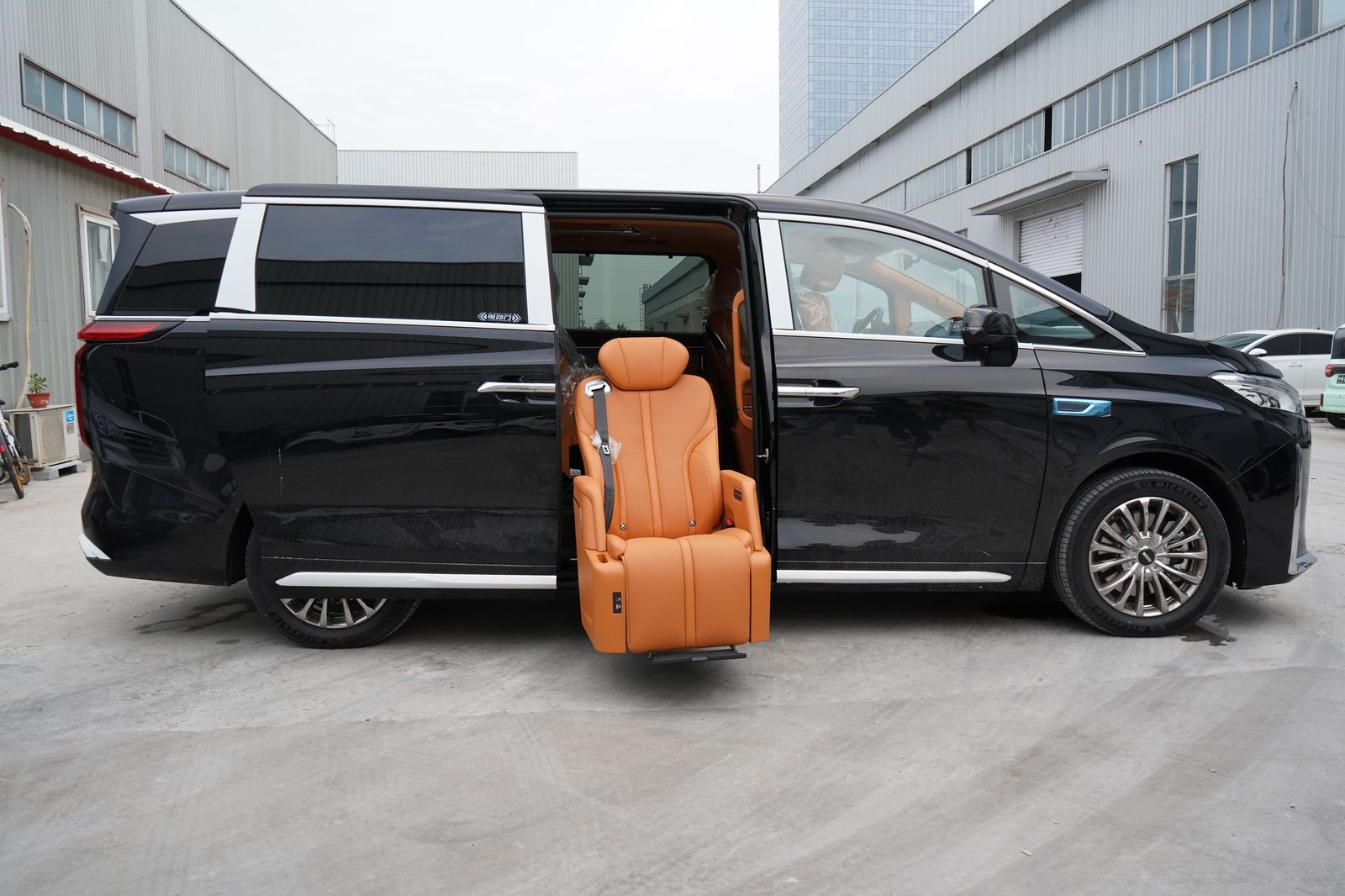
| Vehicle | Any class | Executive SUV by default; protected vehicle on the adviser's instruction |
| Cost | The class rate | The class rate plus an hourly supplement; reconnaissance by the hour |
Indicators that call for a security driver
The decision belongs to the principal's security adviser or the organisation's security department where one exists, and the indicators they weigh are well established. A contested transaction, a restructuring with redundancies, litigation with an aggrieved party or a regulatory action that has made the principal a public face. A public profile that attracts hostility: a controversial position, an industry under attack, a personal history. A diplomatic posting or visit where the mission's security officer requires it, or where the host's threat level is raised. Travel to a city with a kidnap-for-ransom, carjacking or express-kidnap history, or to one where a foreign executive is a target by nationality. A stalker, a threat received, a previous incident. A principal who is simply very wealthy and known to be. Government travel advisories, such as the U.S. Department of State's, inform the assessment for each destination, and RideRutz.com's coordinators read them for every city.
When a security driver is not enough
A security driver makes the vehicle safe. The vehicle is not the whole day. Where the threat extends to the hotel, the venue, the walk from the car to the door and the hours in between, the principal needs close protection - one or more licensed protection officers who plan the day, control the environment and stay with the principal - and the security driver then works inside that detail. RideRutz.com does not supply protection officers, because protection is a licensed profession with its own standards, described by bodies such as ASIS International, and because a chauffeur company presenting a driver as a bodyguard would be dangerous. Where a principal needs a detail and has none, the coordinator says so and can introduce a licensed provider in the country concerned. The driver then takes the provider's brief.
When a chauffeur is enough
For most executives, most of the time. A chauffeur from RideRutz.com is vetted, trained, discreet and bound by a confidentiality undertaking; the vehicle is unbranded; the route is checked; the day runs on time. For a chief executive in a capital on ordinary business, a guest at a gala, a delegation at a conference, an artist on a press day where the risk is photographers rather than harm, the executive, VIP and celebrity standards are the right service and a security driver would add cost without adding safety. The chauffeurs page publishes what every chauffeur has been trained to do.
How the two work together
On a movement with a protection detail, the security driver is one member of it: briefed by the protection lead on the route, the alternates, the venues, the door drill and the radio procedure; positioned in the principal's vehicle or a lead or follow vehicle; communicating on the detail's net; staying with the vehicle at every stop. A second RideRutz.com chauffeur may carry luggage, staff or family in a separate vehicle. On a movement without a detail, the security driver works to the security adviser's requirements through the coordinator and takes on the reconnaissance and vehicle checks that a detail would otherwise share. The security-trained chauffeur page describes both configurations; the diplomatic chauffeur service page describes how the driver integrates into a host government's motorcade.
Protected vehicles
A discreetly armoured vehicle is a separate decision from the driver, made by the adviser on the threat, the country's law and availability, and confirmed in writing before any commitment. It is driven only by drivers trained on protected vehicles, which drive differently, and it is sourced case by case from a licensed supplier. Most security-driver assignments do not involve one; those that do are planned with the adviser from the outset rather than booked on the engine.
Cost
A security driver adds an hourly supplement to the class rate - roughly 40 to 80 US dollars an hour in the major cities - with reconnaissance quoted by the hour and protected vehicles per day; the rates guide gives the figures. Against the cost of the day the principal is protecting, the supplement is small; against the cost of a detail, it is a fraction, which is exactly why it must not be mistaken for one.
How to decide, in practice
Ask the organisation's security department or the principal's adviser if one exists; their assessment decides. If none exists, ask the coordinator to walk through the indicators above for the principal and the city; the coordinator will recommend a chauffeur, a security driver, or a security driver and an introduction to a protection provider, and will say plainly which. Record the decision on the principal's corporate account profile so that every booking in every city is fulfilled accordingly without the assistant having to ask.
Three principals, three answers
A chief executive visiting London for a board meeting and a dinner. No transaction in play, no hostility, a city with no particular risk to a foreign executive. A chauffeur: first-class sedan, hourly, the executive standard. A security driver would add cost and no safety.
The same chief executive three months later, during a hostile takeover that has made the front pages, with a union protest outside the head office. The security department's assessment identifies a threat. A security driver in an executive SUV, routes reconnoitred, the vehicle positioned nose-out at every stop, and an introduction to a protection provider for the days the principal is at the head office, because the threat extends beyond the car.
An ambassador on a posting in a capital where the mission's security officer requires it. A security driver as standard, working inside the mission's own security arrangements and the host's motorcade where one is provided; a protected vehicle where the mission's assessment specifies it; the diplomatic standard on flags, precedence and conduct applied throughout.
Questions security departments ask
Do the drivers hold clearances? National clearances are issued by governments; some drivers hold one from previous service and we say which where a client requires it. Are they armed? No, and in most jurisdictions a driver may not be; protection officers are licensed and armed where the law permits, and they are not what we supply. Can they be vetted to our standard? Yes; the department's additional checks and NDA are completed before the first assignment. What is the training? The RideRutz.com protocol programme plus a recognised defensive and evasive driving course and our own modules, assessed on the road, refreshed annually. What vehicles? The executive SUV by default; protected vehicles case by case with the adviser. Can the same driver be assigned long term? Yes, with a trained relief for rest days. What records exist? The minimum the privacy policy describes, released only to the account holder. The security-trained chauffeur page answers the rest.
The cost of getting it wrong in either direction
A security driver assigned to a principal who does not need one costs a supplement and creates a visible detail that draws attention the principal did not want. A chauffeur assigned to a principal who needed a security driver leaves the vehicle unprotected at the moment it matters, and no amount of protocol training makes up for a car boxed at a junction. The assessment is worth an hour of the security adviser's time, and the coordinator will make that hour easy. Recorded once on the profile, it is applied everywhere.
A note on ride-hail and 'executive' apps
Neither a ride-hail premium tier nor an app that markets "executive protection drivers" on demand can be assessed against the standard above, because the driver is unknown until the car arrives and the training is whatever the driver claims. A principal with an identified threat should not be in an unknown vehicle with an unknown driver on an unreconnoitred route, and an organisation that has assessed a threat cannot discharge its duty of care by pressing a button. Book the driver, or the chauffeur, from a supplier whose standard is written down.