









































































































Celebrity transportation is chauffeured transport for people whose presence in a city attracts attention: recording artists, actors, athletes, presenters, authors on tour and the public figures of business and politics. RideRutz.com supplies it with unbranded black vehicles, chauffeurs bound by a signed confidentiality undertaking and trained in press and crowd situations, and a coordinator who plans arrivals, departures and decoys with the talent's publicist, manager or security lead.
What changes when the passenger is known
An executive wants to arrive on time. A celebrity wants to arrive on time and to control the moment of arrival - whether they are seen, by whom, from which side and for how long. Everything else in the service follows from that. The vehicle is unbranded and its registration is shared with no one but the talent's team and the venue's security. The route avoids the hotel's main forecourt if photographers are known to wait there. The chauffeur does not confirm who is in the car to a doorman, a fan or a journalist, and does not look at the passenger, speak about the passenger or photograph the passenger, ever. The coordinator works with the publicist on where the car stops and when the door opens, because in this work the door opening is the event.
The publicist's itinerary
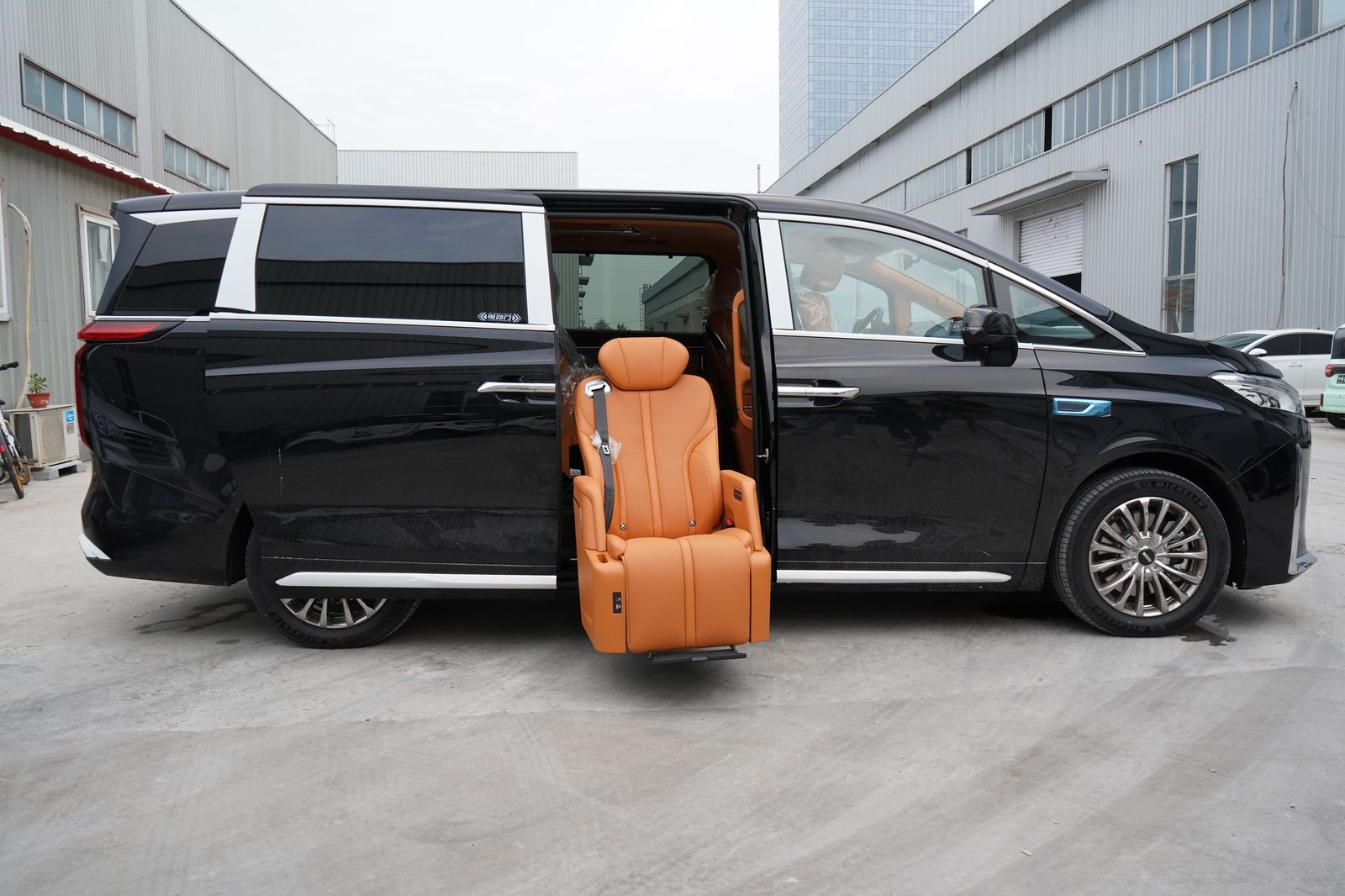
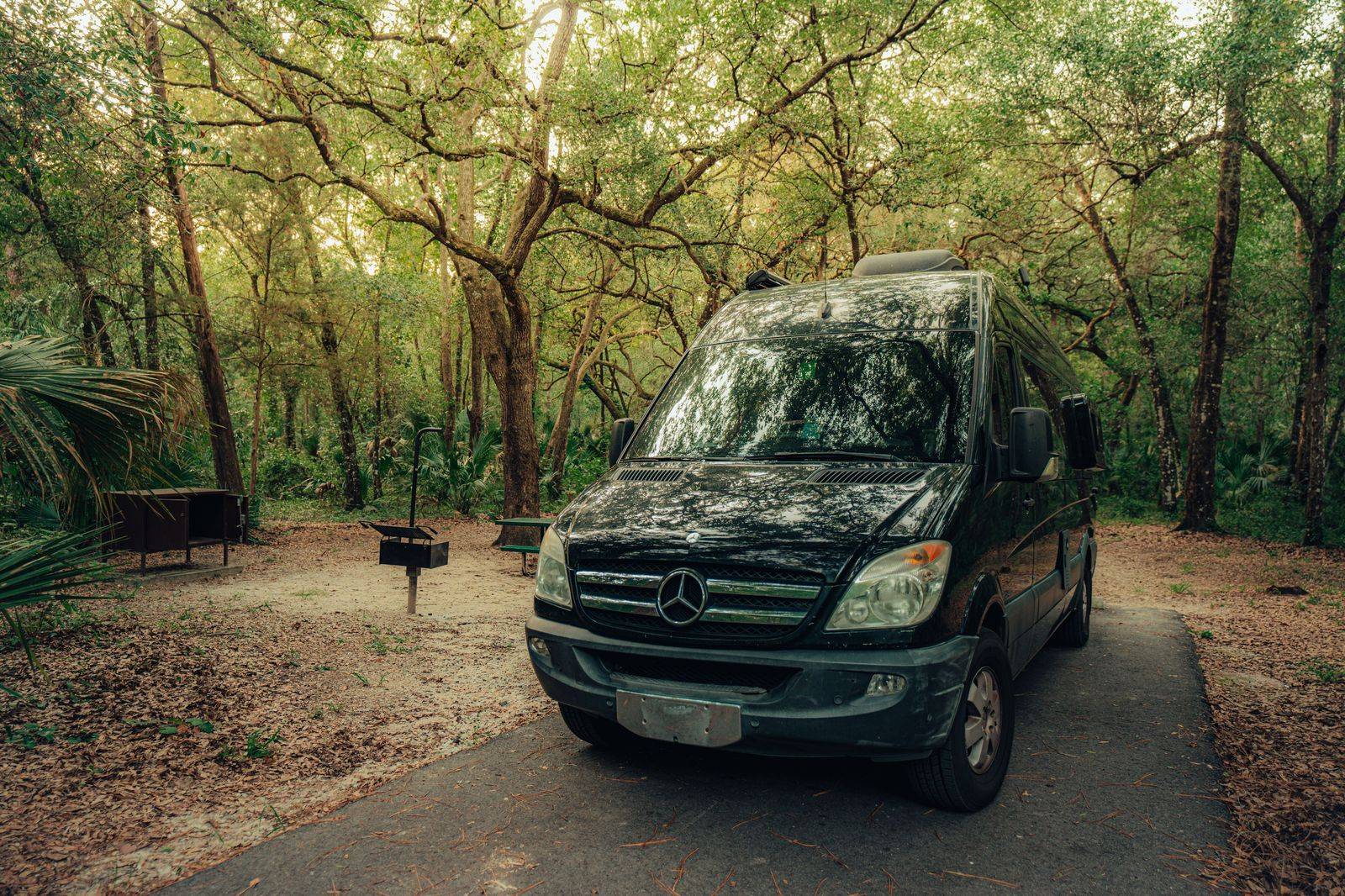
On a promotional visit the itinerary belongs to the publicist: a morning television slot, three print interviews at a hotel, a radio station across town, a signing, a photo call, a premiere or a performance and an after-party. The chauffeur is booked by the hour for the day and the coordinator holds the publicist's schedule as it is, with every slot's arrival time, entrance and contact. As the day slips - and press days always slip - the chauffeur absorbs the change and the coordinator tells the next venue. A second vehicle for the entourage, the glam team or the equipment travels in convoy on the same file, and a luxury van or Sprinter is used where the party is large enough that a sedan convoy would draw more attention than a single vehicle.
Arrivals, departures and decoys
A public figure's arrival at a venue is planned with three options: the front entrance and the carpet, where the point is to be seen; the secondary or stage entrance, where the point is not to be; and the decoy, where a second identical vehicle draws attention to one door while the principal uses another. Which option is used is the publicist's or the security lead's call, and the plan changes as the crowd does. Departures are planned in the same way, with the added rule that the car is at the door before the principal reaches it, engine running, rear door on the correct side, so that the time between the building and the car is measured in seconds. For festival weeks, when the same principal moves between a dozen venues in a small city under constant attention, the film festival and award show transportation page explains how the week is run.
Working with security
Many public figures travel with their own protection, and the chauffeur then works to the protection team's brief: the route, the alternates, the door drill, the seating, the radio procedure. Chauffeurs assigned to this work have completed the security-trained chauffeur module and are used to being one part of a detail rather than the whole of the service. Where the talent has no protection of their own but the situation calls for it - a fan event, a controversial appearance, a city where the principal has had difficulty before - the coordinator will say so and can introduce a protection provider; we do not supply protection ourselves, and the chauffeur vs security driver guide explains where the line falls.
Confidentiality that survives the tour
Every RideRutz.com chauffeur signs a confidentiality undertaking at induction that covers every passenger, every address, every conversation and every document seen, and that survives the end of their engagement. Chauffeurs do not carry personal phones in the cabin on celebrity work, do not use their own social accounts to refer to their work in any way, and are removed from the roster for a single breach. Where the talent's management requires its own non-disclosure agreement, the chauffeur signs it before the first engagement. The privacy policy describes the minimum we record about any journey and for how long, and the chauffeur training and protocol page publishes the standard in full.
Vehicles
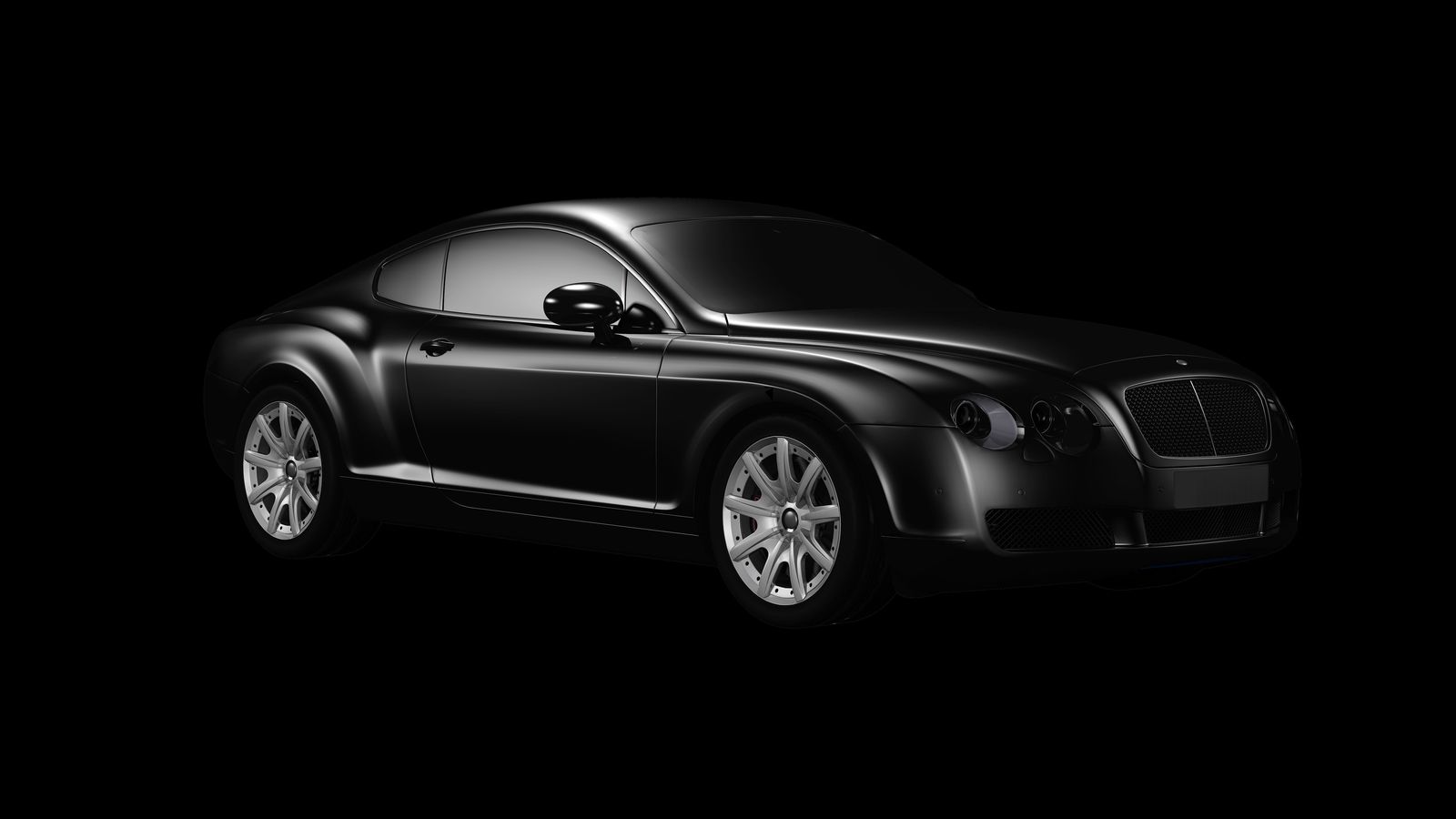
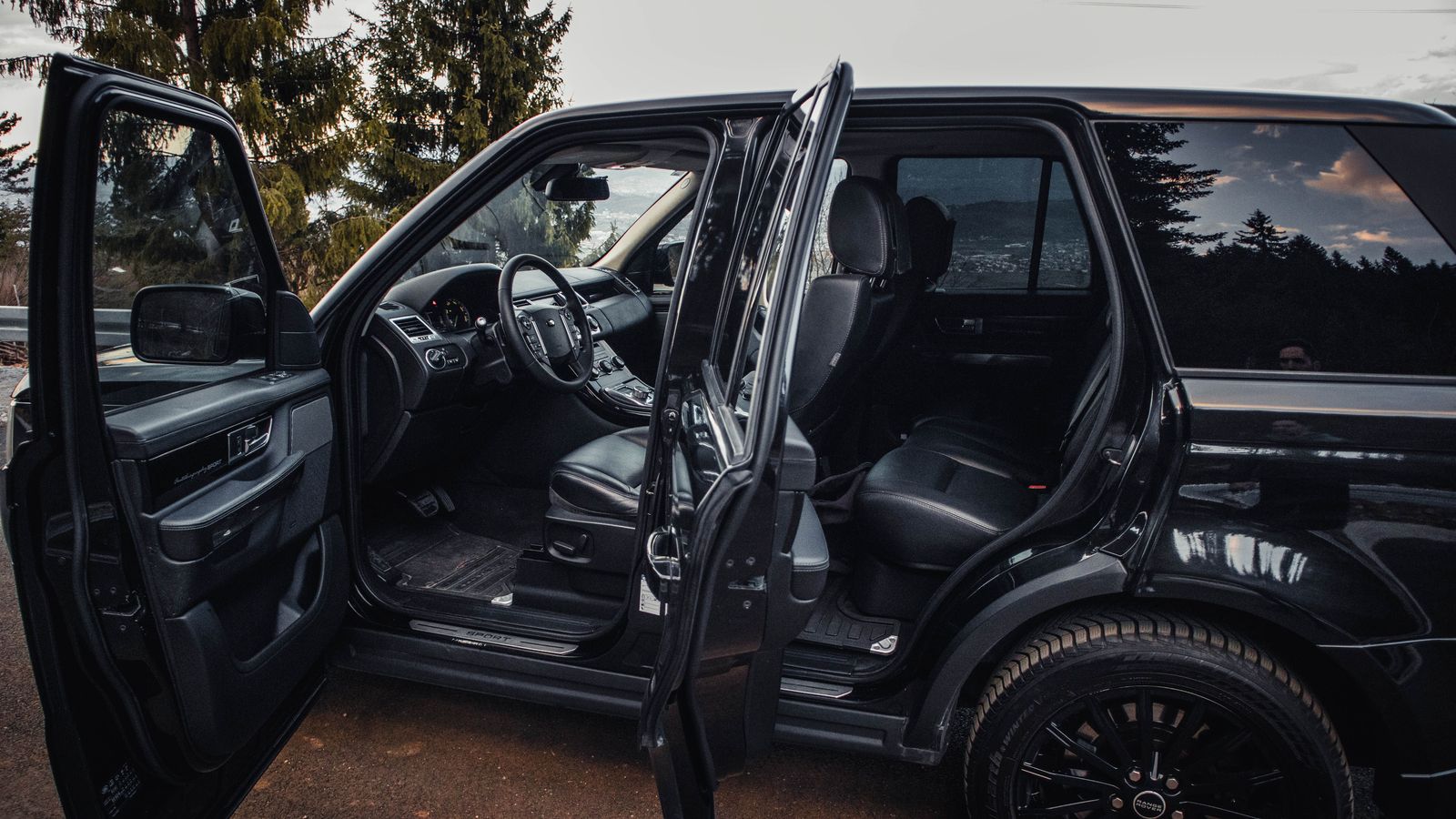
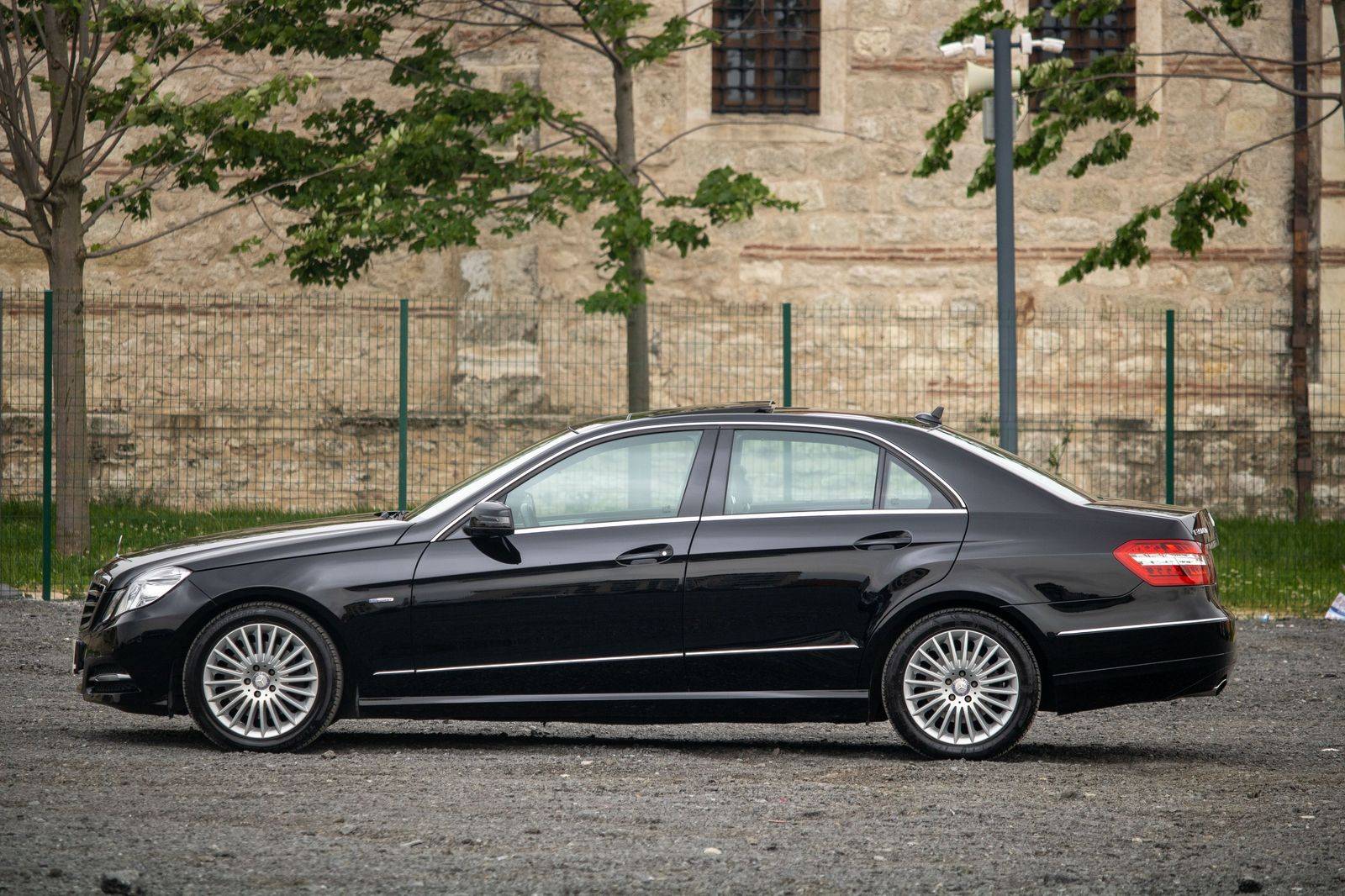
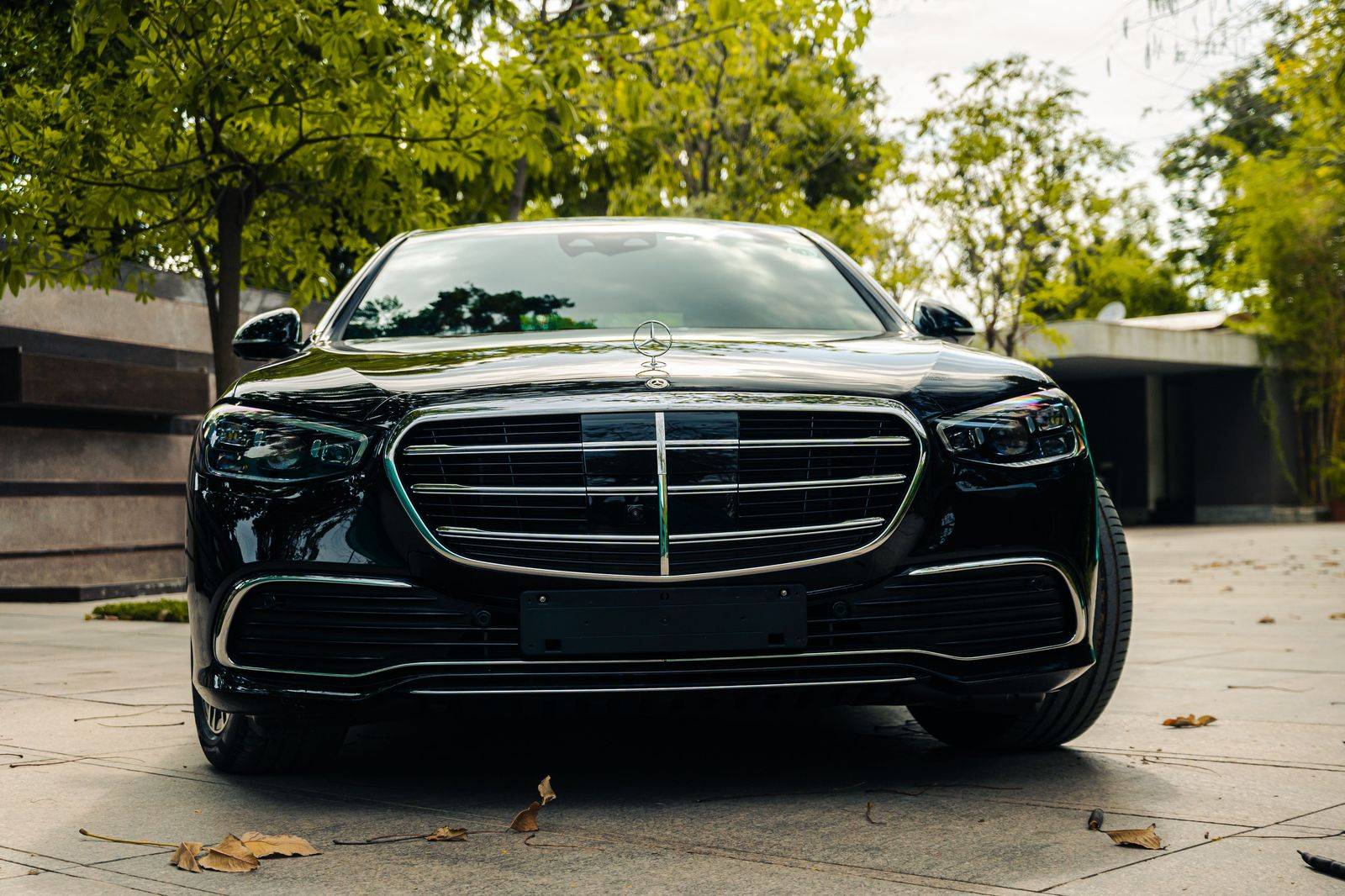
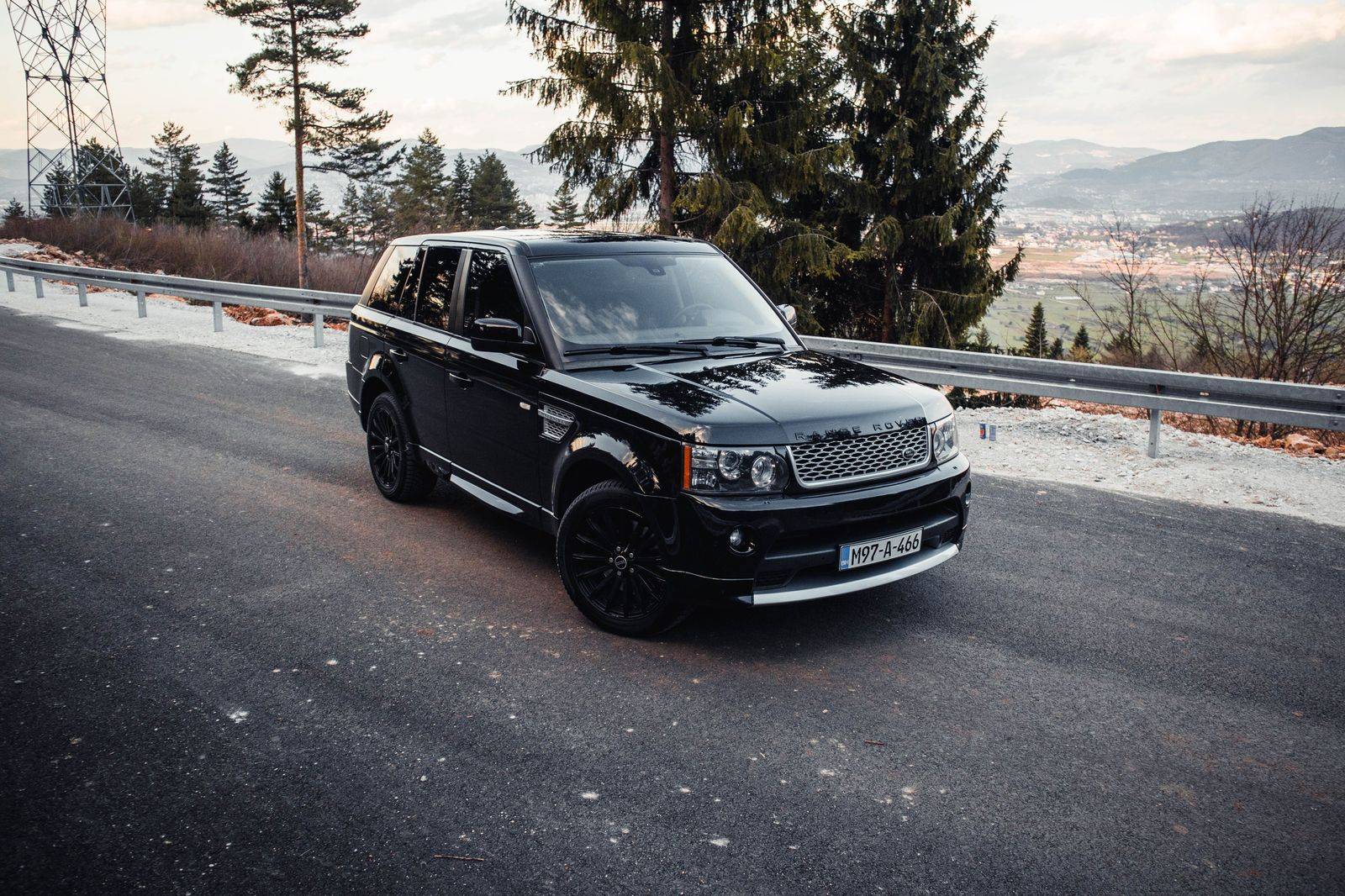
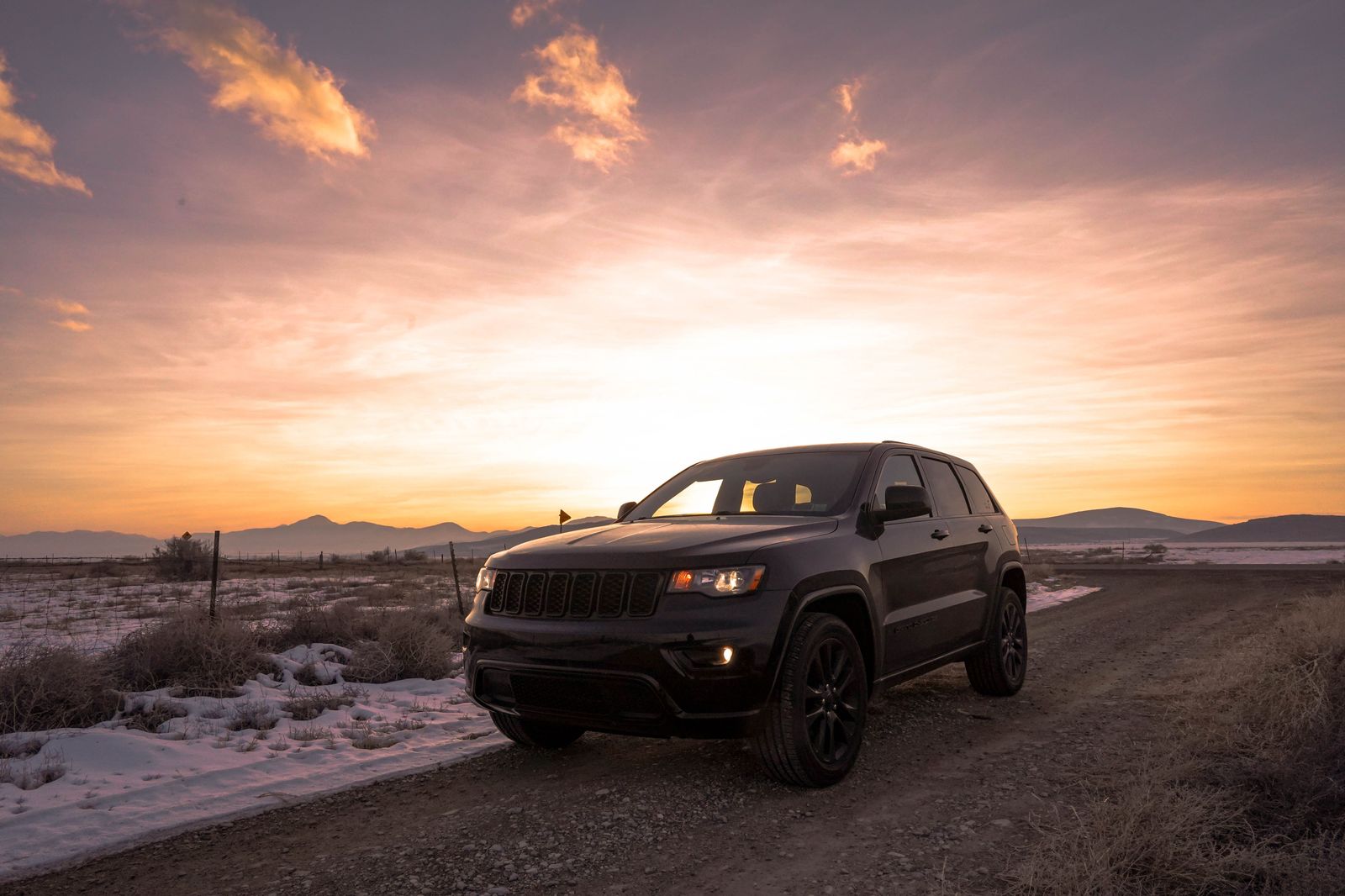
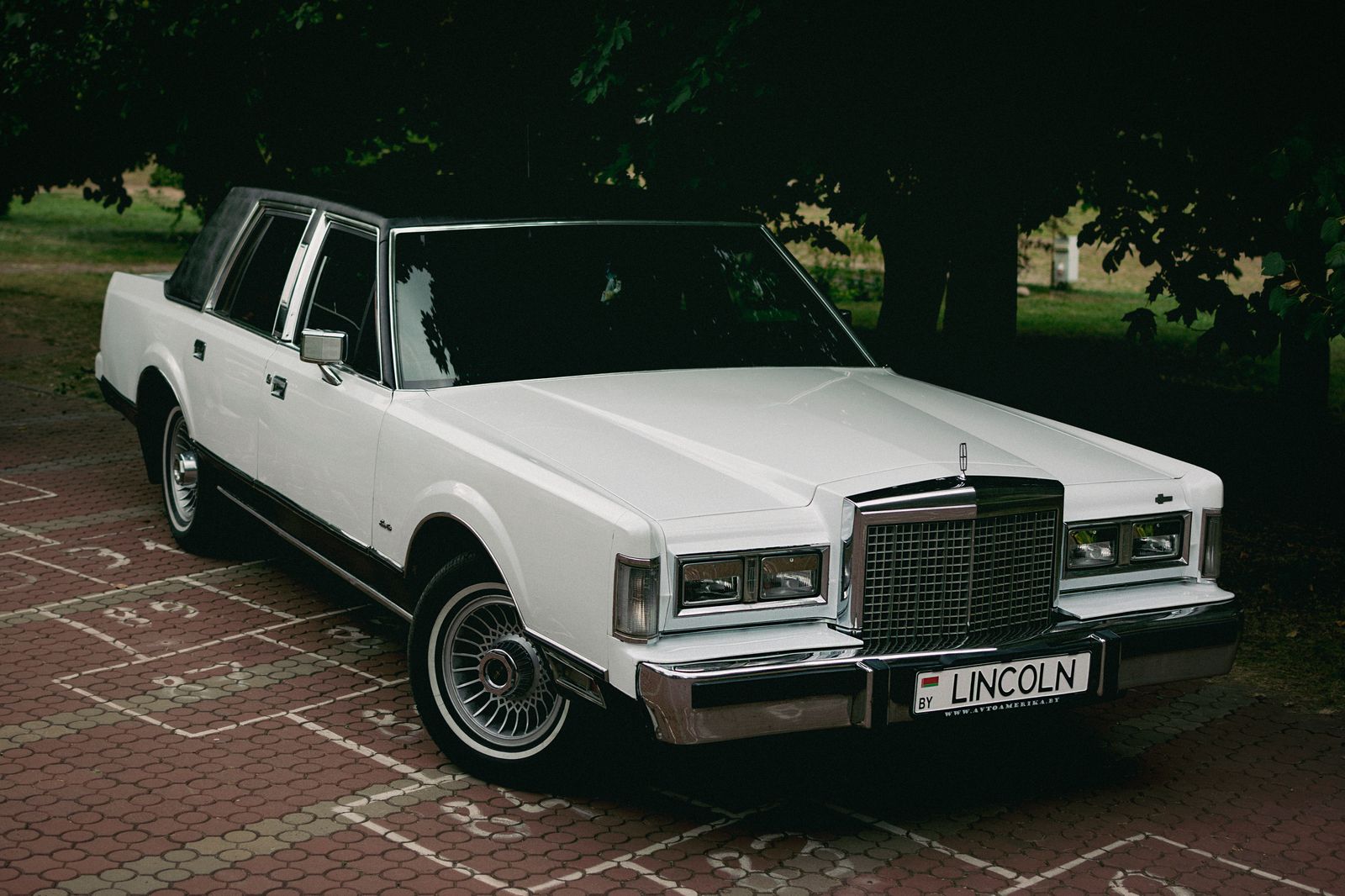
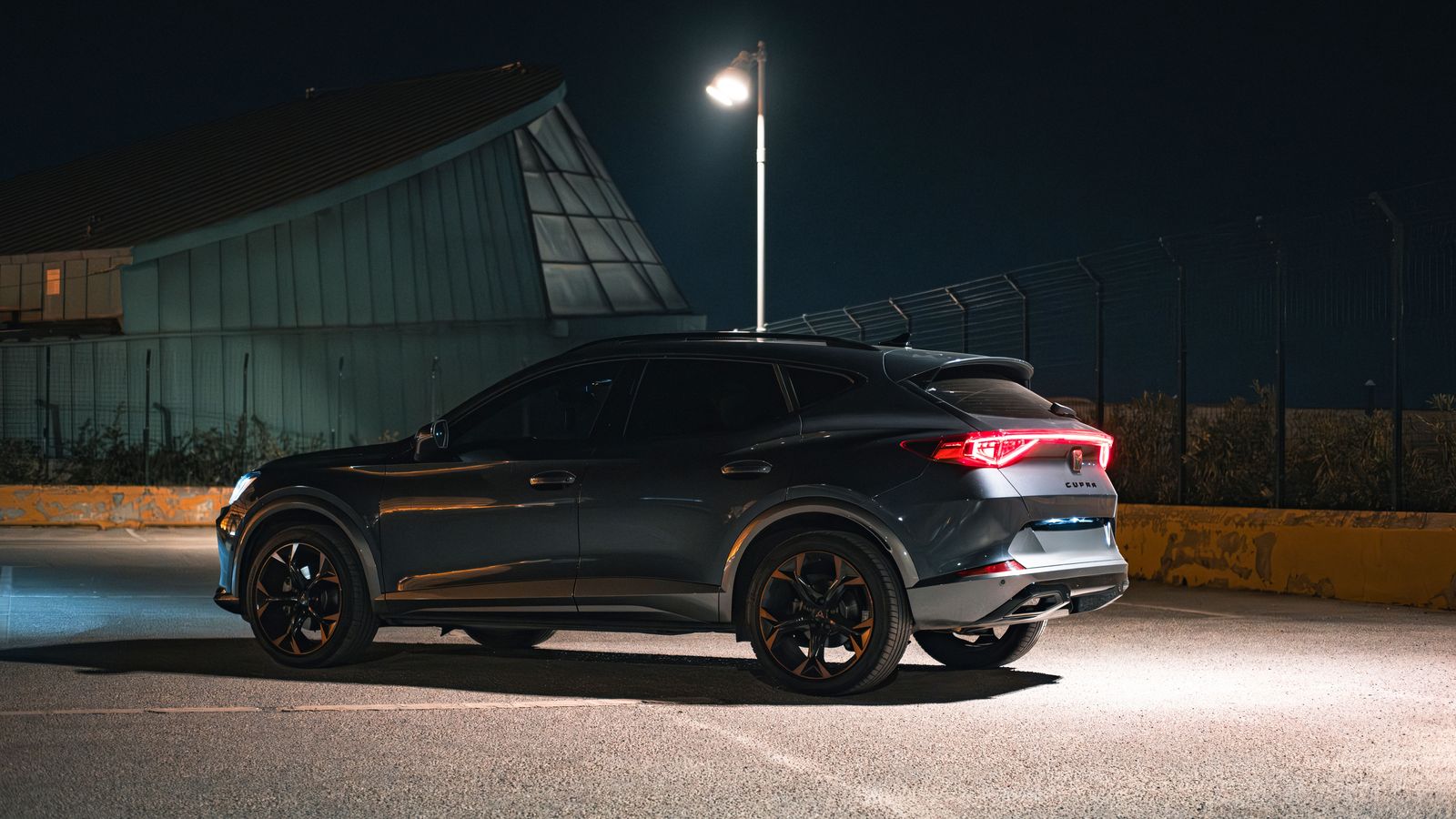
The first-class sedan is the default because it is quiet, comfortable for a long day and unremarkable on the street. The executive SUV is used where the principal travels with security or a larger party and for the added privacy of higher glass; the luxury van, with its lounge seating and blinds, is the choice of many artists on press days because it allows a rest between slots and a change of clothes. Stretch limousines are used only where the occasion calls for them - a premiere where the studio wants the arrival photographed - and never for the discreet movements. Every vehicle is black, unbranded, under five years old and detailed before each engagement. See the fleet page.
Worldwide, with local knowledge
A promotional tour moves through a dozen cities in three weeks, and the file moves with it: the same coordinator, the same profile, the same undertaking, a local chauffeur in each city who knows which hotel entrances the photographers watch and which venues have a usable stage door. Labels, studios, agencies and management companies place tours on a corporate account so that every city is coded to the campaign and invoiced once. The global chauffeur service page describes how the account travels; the VIP chauffeur service page describes the hosting standard applied when the talent is a guest rather than the client. Performers' unions such as SAG-AFTRA publish guidance for members on travel and personal security while working; our coordinators are familiar with it. Talent arriving by private aircraft is met ramp-side under the private jet and FBO procedure, and the airports we work at are listed on the airports page.
Booking celebrity transportation
A single discreet movement is booked on the reservation engine in the first-class or executive SUV class, with the passenger's name entered as the publicist prefers. A press day, a tour leg or a festival week is planned by a coordinator from the publicist's or manager's brief, with a written quote within a working day and a single point of contact thereafter. Send the brief, or call the desk; dispatch is awake in every time zone, which matters when a flight lands at four in the morning and the crowd at the hotel has not gone home.
The chauffeur's conduct on talent work
The rules are written down and rehearsed, because instinct in these situations is usually wrong. The chauffeur does not greet the passenger by their public name unless told to. The chauffeur does not look in the mirror at the passenger, does not react to a conversation, a phone call or a rehearsal happening behind them, and does not offer a view on the interview the passenger has just given. The chauffeur does not play the passenger's music unless asked. The chauffeur does not accept a request from a fan, a photographer or a journalist to pass anything to the passenger, and does not confirm to anyone at a hotel, a venue or a restaurant who is in the car or when they will arrive. The chauffeur does not tell the next passenger about the last, does not tell their family, does not tell dispatch beyond what the journey requires and does not, ever, tell a social network. The chauffeur does, on the other hand, notice everything: the crowd forming at the hotel, the car that has followed for three turns, the photographer at the side door, the passenger who is exhausted and needs the day shortened. The chauffeur tells the coordinator, and the coordinator tells the publicist.
Press days, tours and festival weeks
A press day in one city is an hourly engagement with a coordinator; a promotional tour is a sequence of them in a dozen cities on one file; a festival week is a press day repeated for seven days in a small city where every venue is watched. Each is planned from the publicist's grid, with venues confirmed for their entrances and contacts, hotels confirmed for their alternative doors, and vehicles matched to the party. On tour, the same coordinator holds the file from the first city to the last, the artist's profile travels with it, and a local chauffeur in each city is briefed identically. Labels, studios and agencies typically place the tour on a corporate account coded to the campaign, with the travel desk handling flights and hotels on the same invoice where the tour manager wants one supplier. Award nights and premieres within the tour are run to the gala and event standard with their own arrival windows, and the worldwide gala calendar shows which weeks collide - the same week in September brings Venice, Toronto and New York fashion week - so that vehicles and chauffeurs can be positioned early. Performers' representatives will find the Screen Actors Guild guidance on travel safety consistent with the way the file is run.
Airports, hotels and the moments in between
The two places a public figure is most exposed are the airport and the hotel, because both are predictable. At the airport the chauffeur meets the passenger where the airline's or the airport's VIP service ends - a private arrivals lounge, a fast-track exit, the FBO ramp - and never in the public arrivals hall unless the publicist wants the arrival seen; the airport chauffeur service page describes the named-door procedure at each airport. At the hotel the chauffeur uses the entrance the hotel's security has agreed for the stay, which is rarely the front one, and the car does not linger on the forecourt. Between the two, the route avoids the streets where crowds gather and the chauffeur watches for a following vehicle. Late-night arrivals after a show or a long-haul flight are treated with particular care: the crowd at the hotel is often larger at 2 a.m. than at 2 p.m., and the coordinator confirms the entrance with the night manager before the car leaves the airport.