









































































































An executive chauffeur service is chauffeured transport specified for senior people whose time, privacy and reputation are the point. RideRutz.com supplies it in first-class sedans and executive SUVs with chauffeurs trained in discreet protocol, by the hour or by the journey, in every city it works in. The service is defined less by the car than by what does not happen in it: no small talk unless invited, no phone, no photographs, no lateness and no surprises.
The standard, from the principal's side
Every other page on this site explains the service to the person booking it. This page explains it to the person sitting in it, because the executive is the one whose opinion of the day is formed in the first ninety seconds.
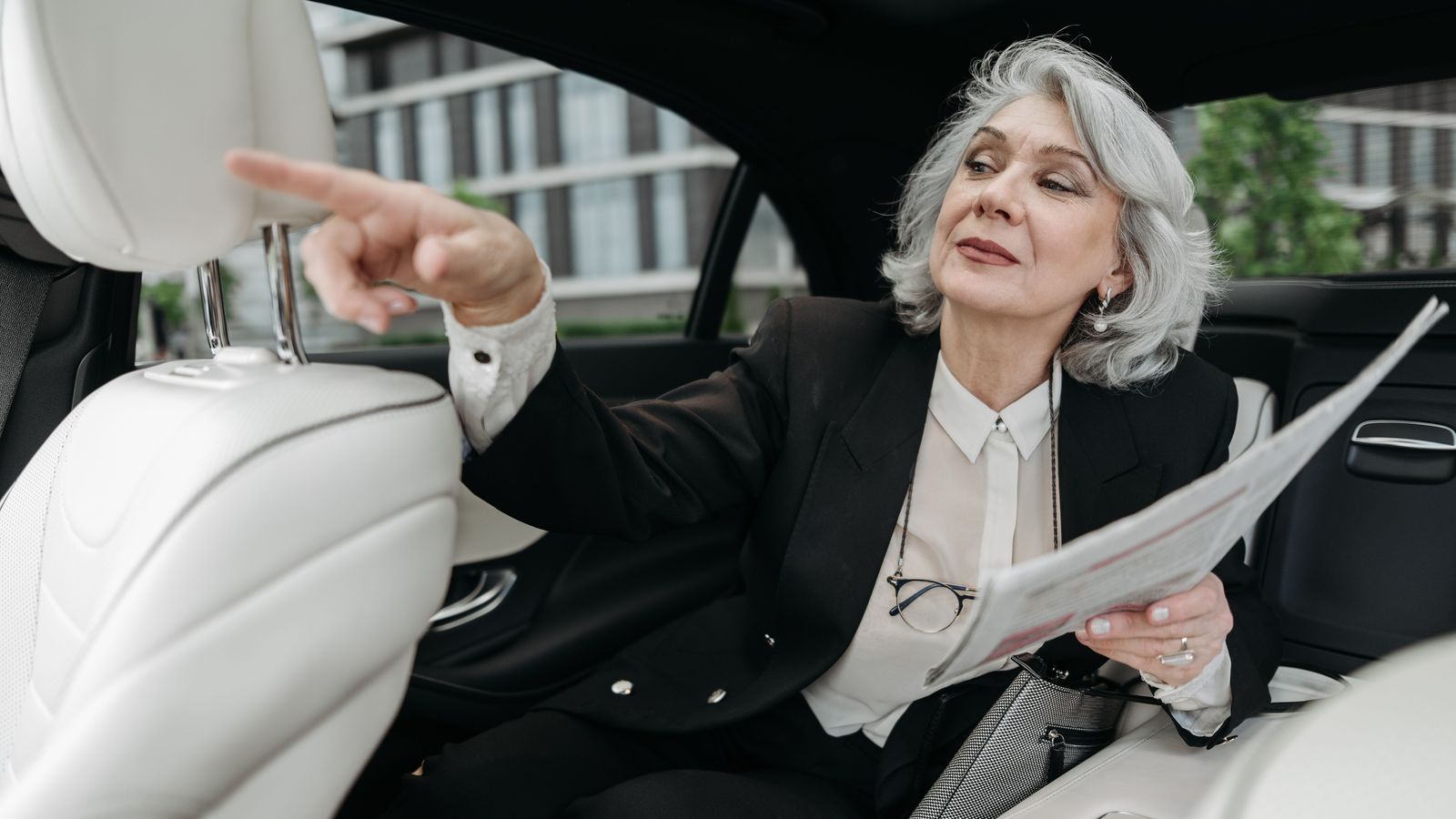
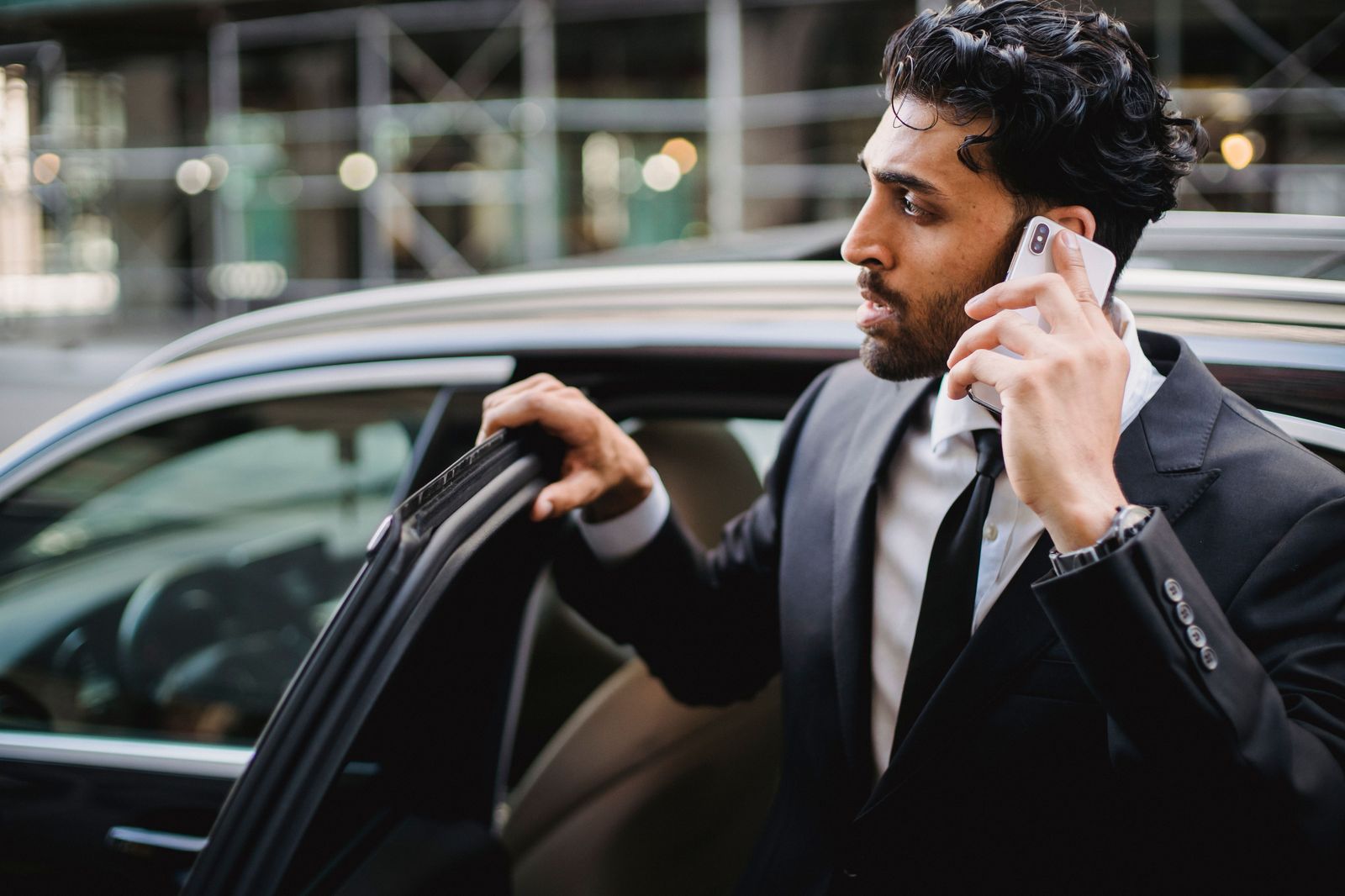
The car is at the kerb fifteen minutes early, engine off, chauffeur standing at the rear door on the pavement side. The chauffeur greets the principal by name and title, once, opens the door, closes it, loads any bag and does not begin the journey until the principal is settled. Inside, the cabin is at the temperature on the profile, the day's newspaper is on the seat, water is in the console and the screen between the seats is off unless the principal asks for it. The chauffeur confirms the first destination and the expected arrival time and then does not speak again unless spoken to. The route has been driven or checked that morning; if traffic changes it, the chauffeur says so before the principal notices.
At the destination, the chauffeur has already found where the vehicle may stop, has the door open before the principal reaches for it and, on an hourly engagement, waits where the car can return within two minutes of a message. On a day of calls the chauffeur becomes the fixed point: the assistant on the phone, the office in another time zone and the protocol officer at the next building all reach the principal through the chauffeur's number, and the principal never has to think about the car at all.
What the chauffeur is trained to do, and not to do
RideRutz.com chauffeurs complete a training and protocol programme that was written for executive and diplomatic work, and the executive service is where most of it is used. The chauffeur is trained to know the order of precedence when several passengers share a vehicle and to seat them accordingly; to handle a door drill with a security detail; to keep pace with a motorcade; to time an arrival to a red carpet; and to treat everything overheard - a merger, a resignation, a diagnosis - as if it had not been said. Chauffeurs do not post, photograph or discuss passengers, and the confidentiality undertaking they sign survives the end of their engagement with us.
They are also trained in what not to do. Not to offer opinions on the city, the traffic or the news. Not to take a call while driving. Not to use a phone for navigation in the principal's line of sight. Not to accept a gratuity, because it is in the rate. Not to leave the vehicle unattended with luggage in it. Not to discuss the next passenger with the last. The quality of an executive service is mostly measured by what its chauffeurs decline to do.
Vehicles
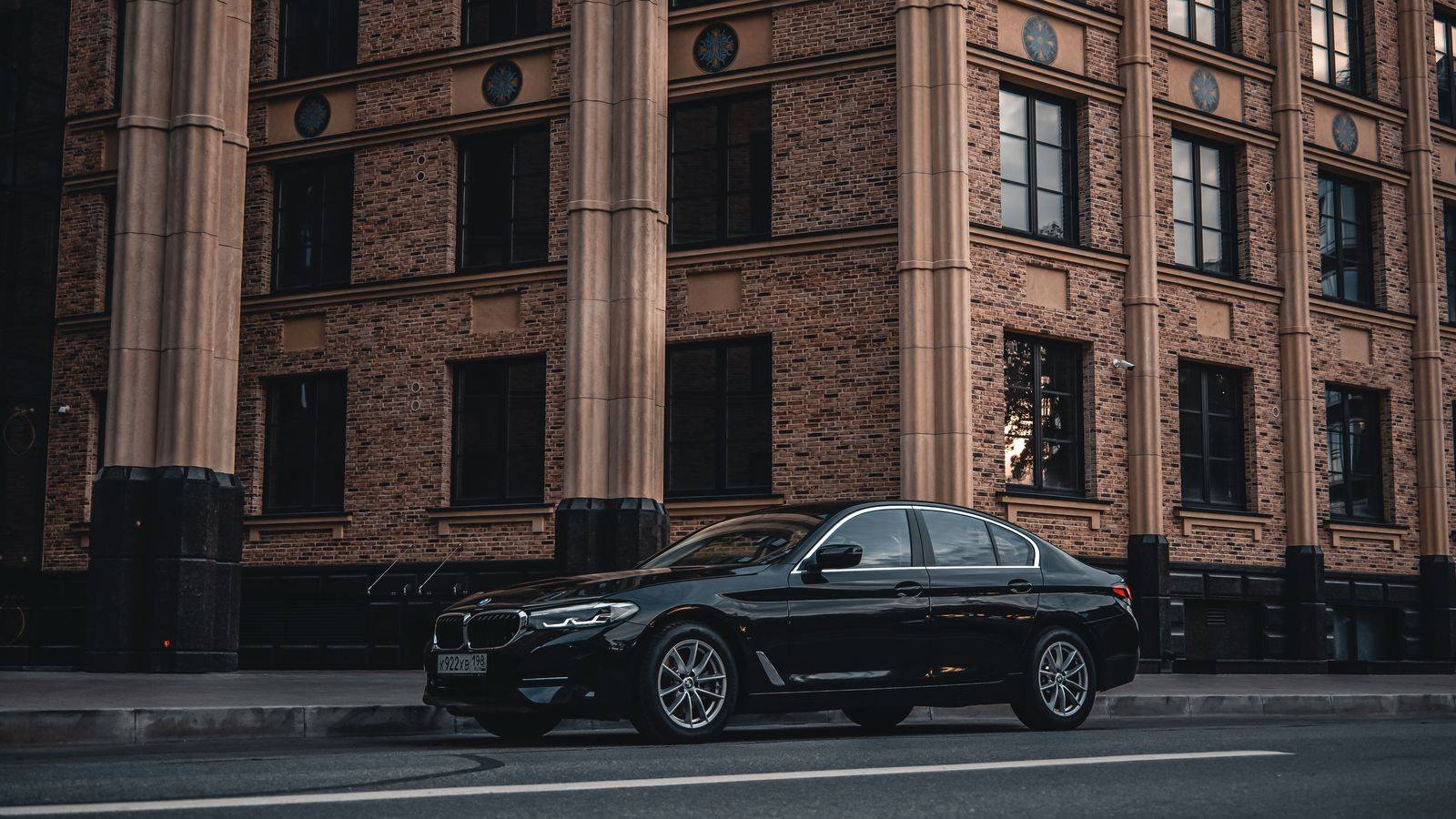
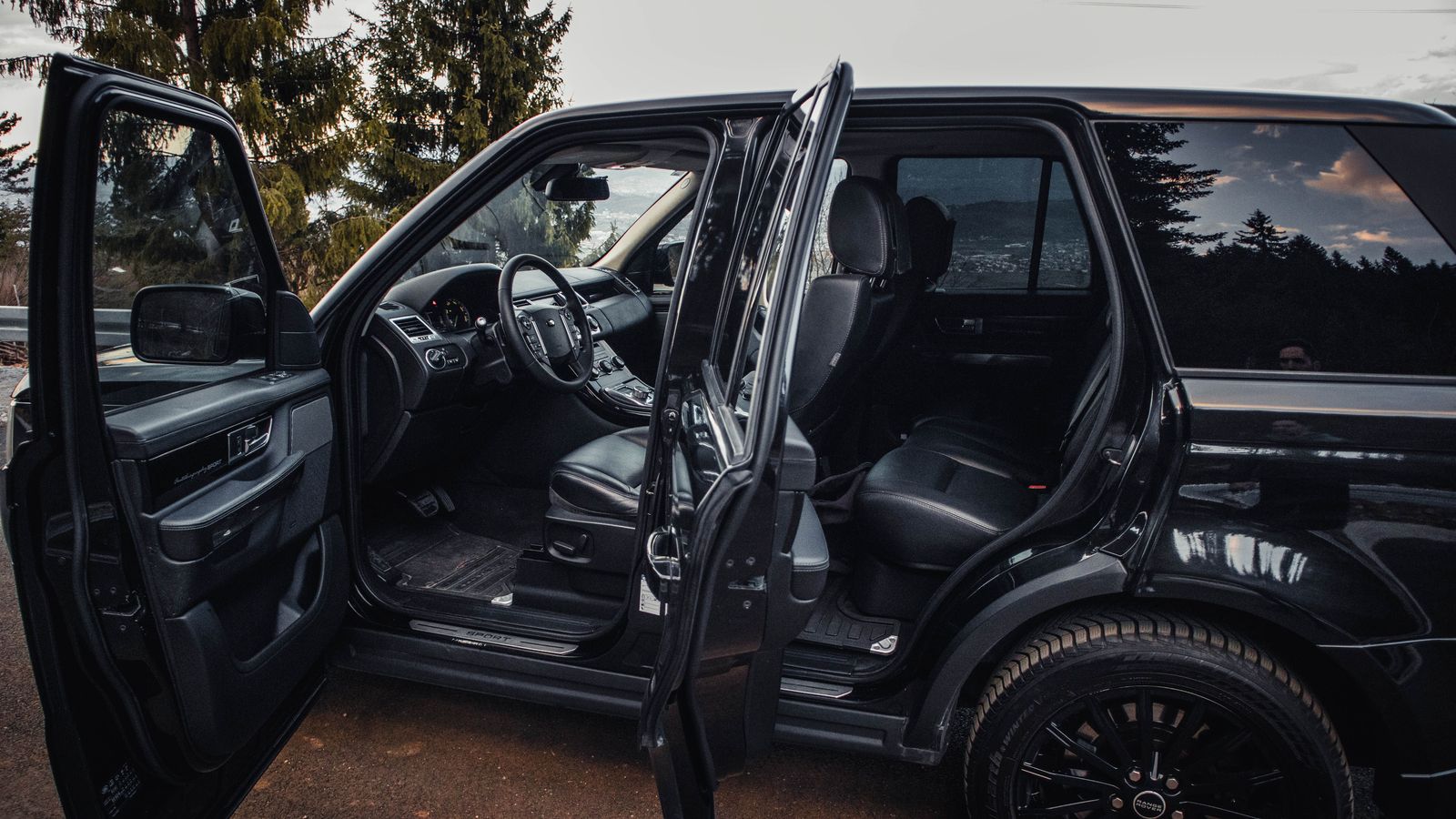
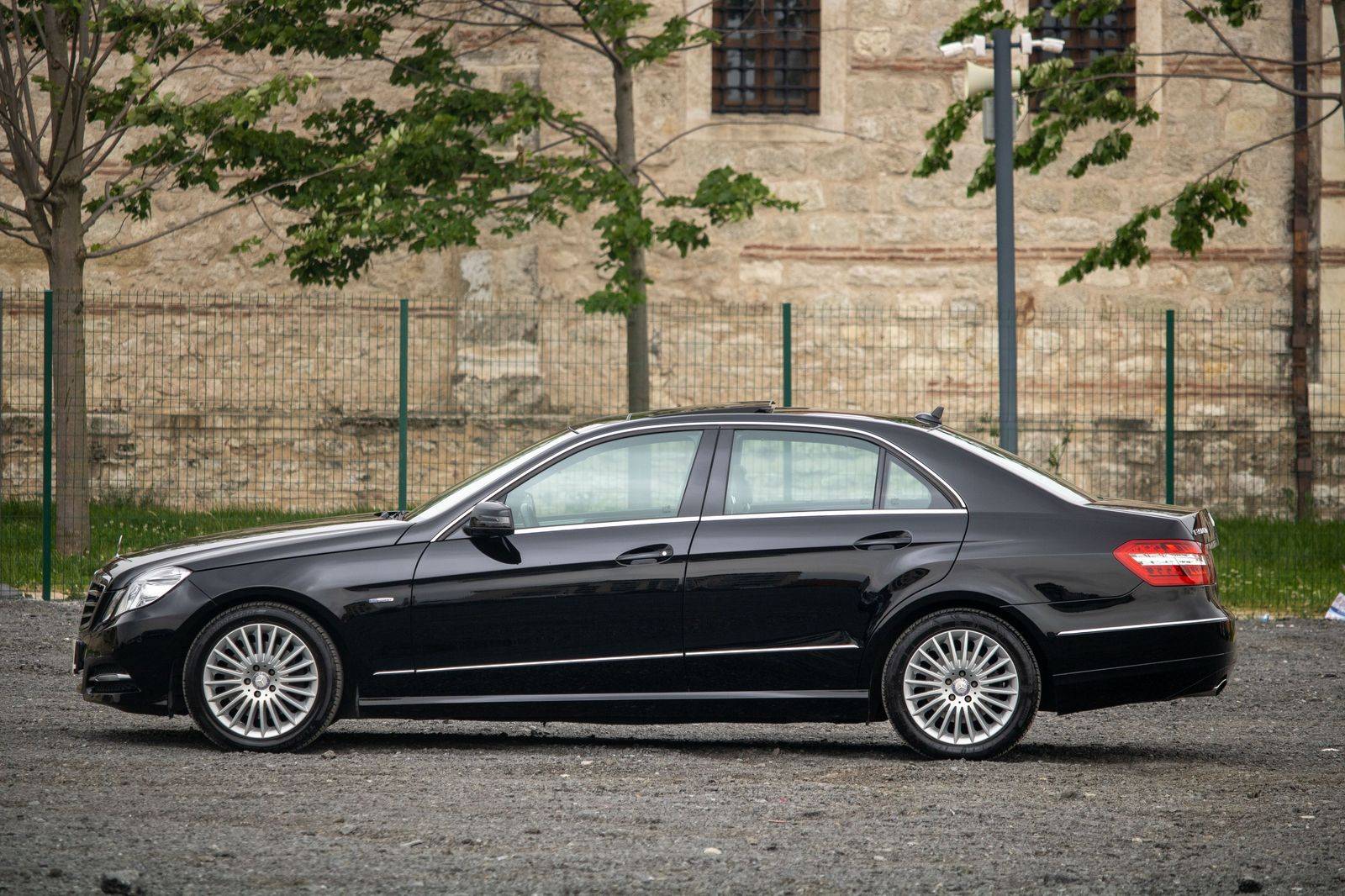
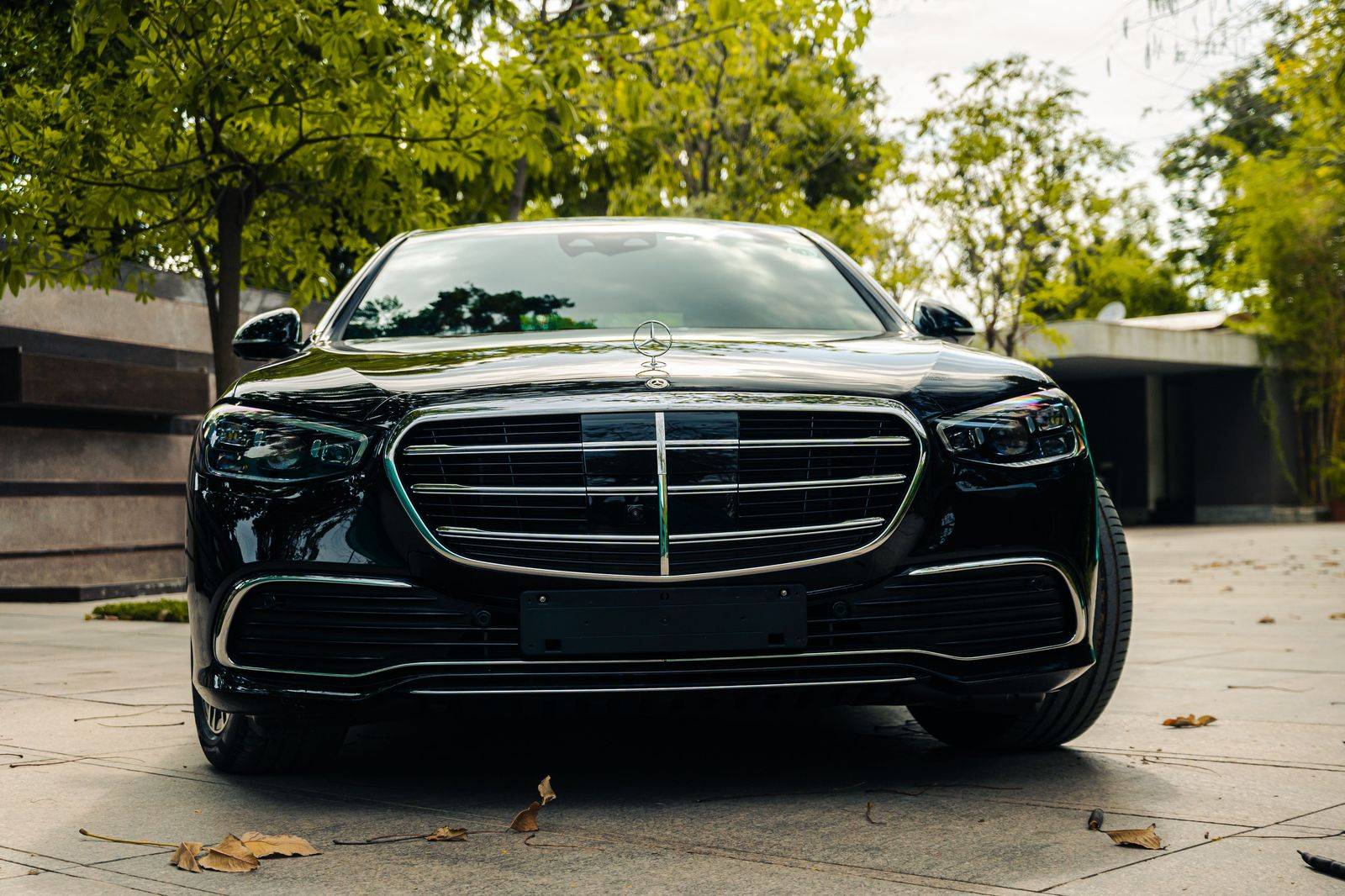
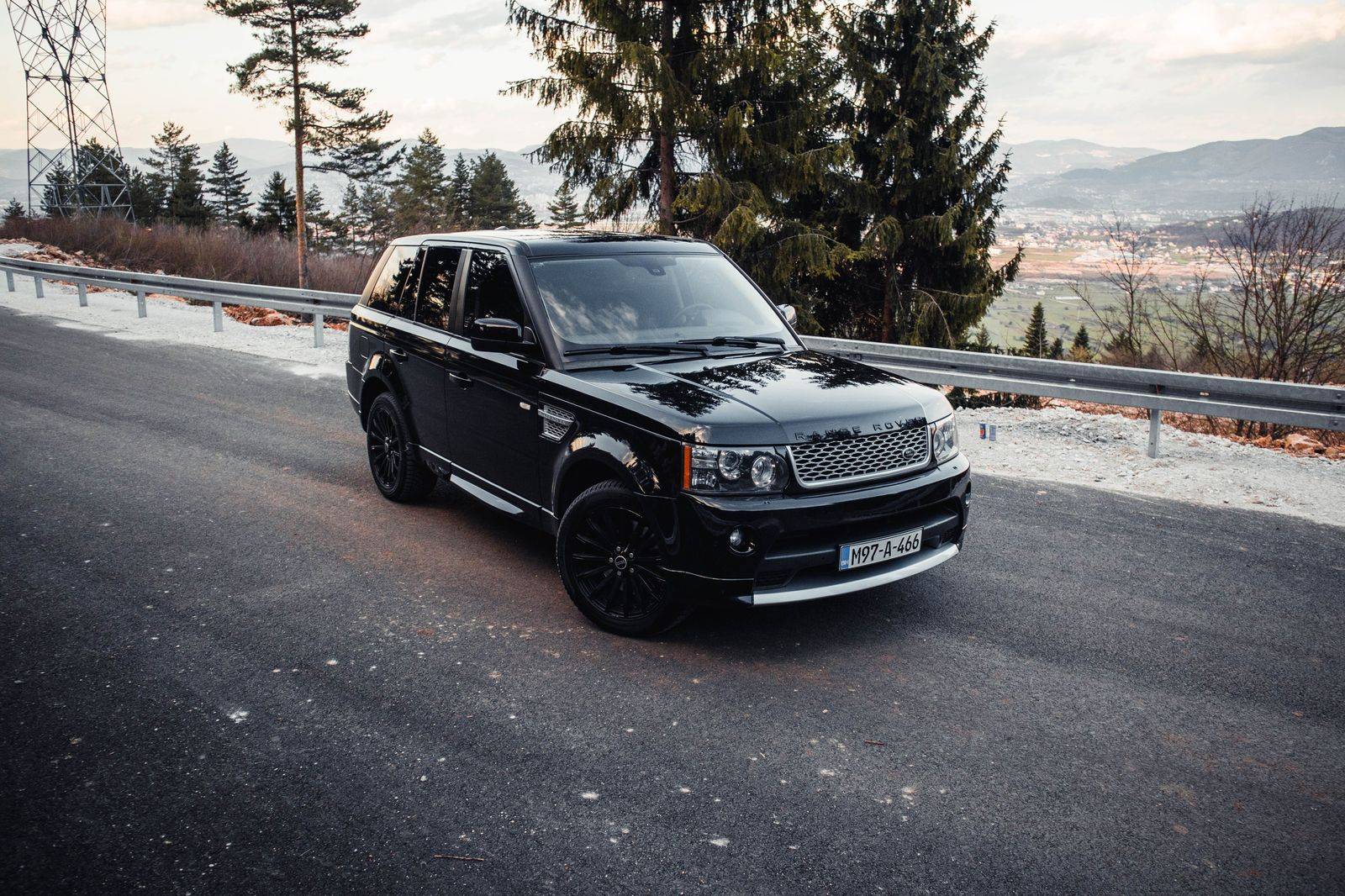
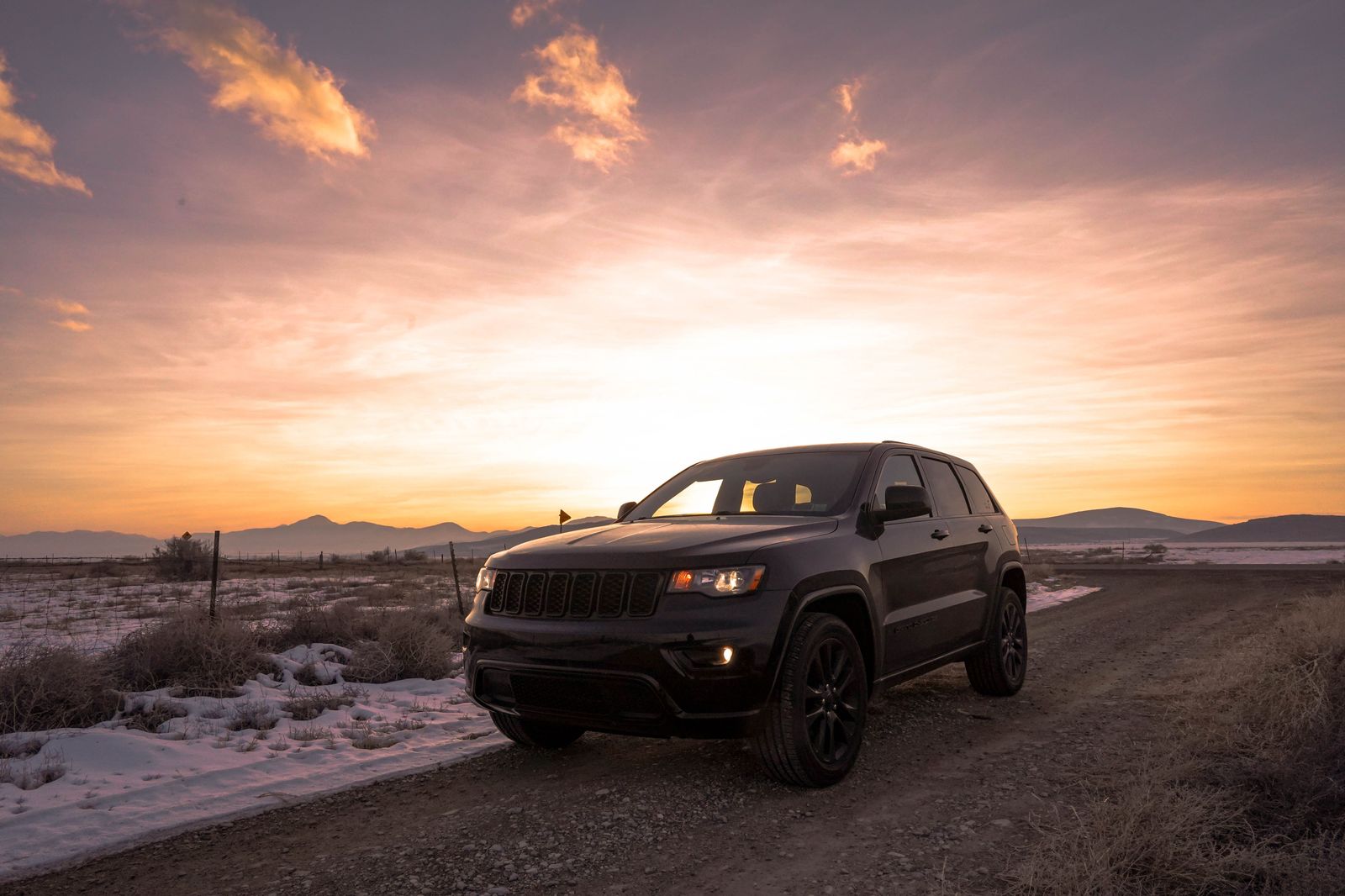
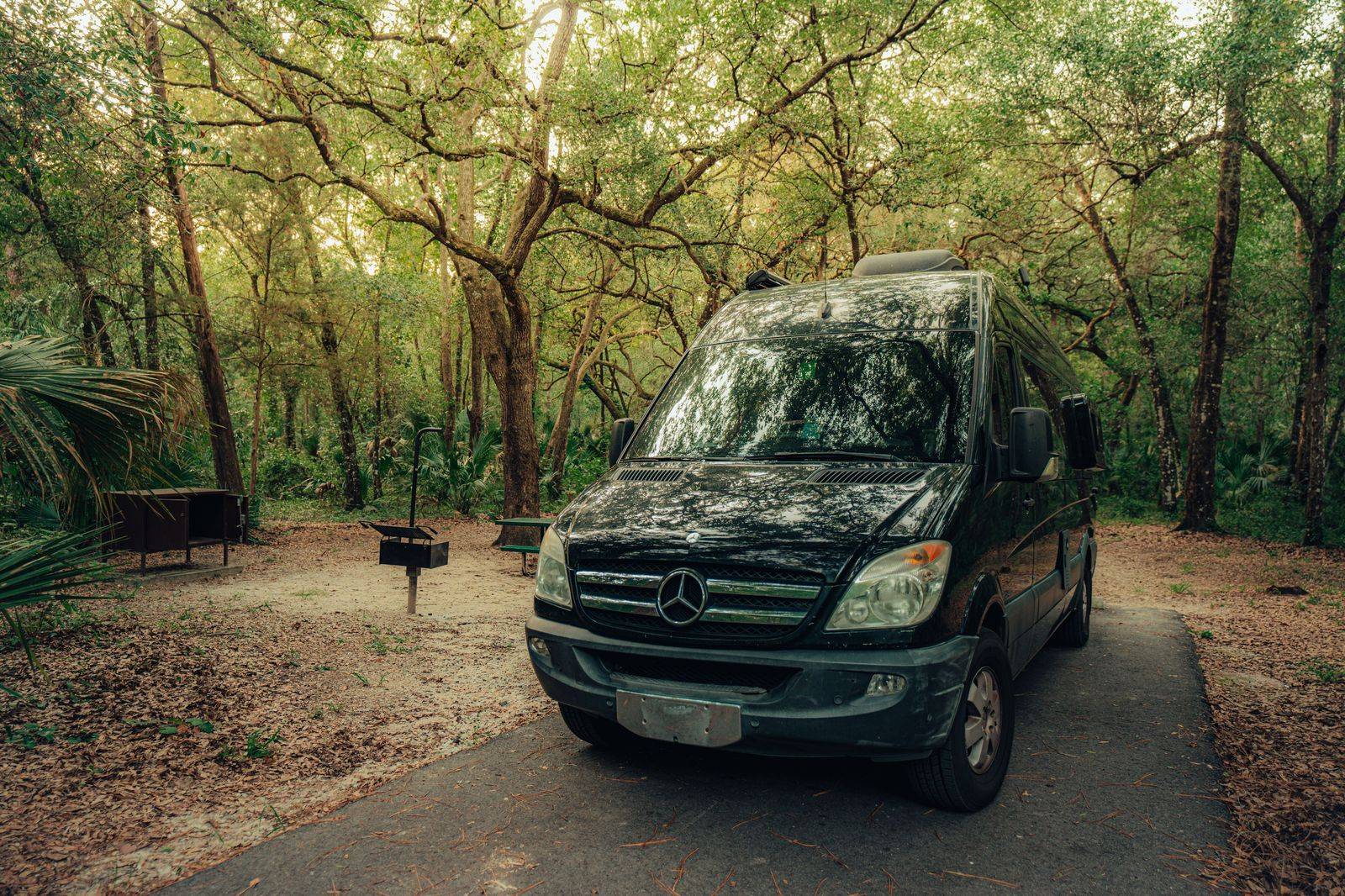
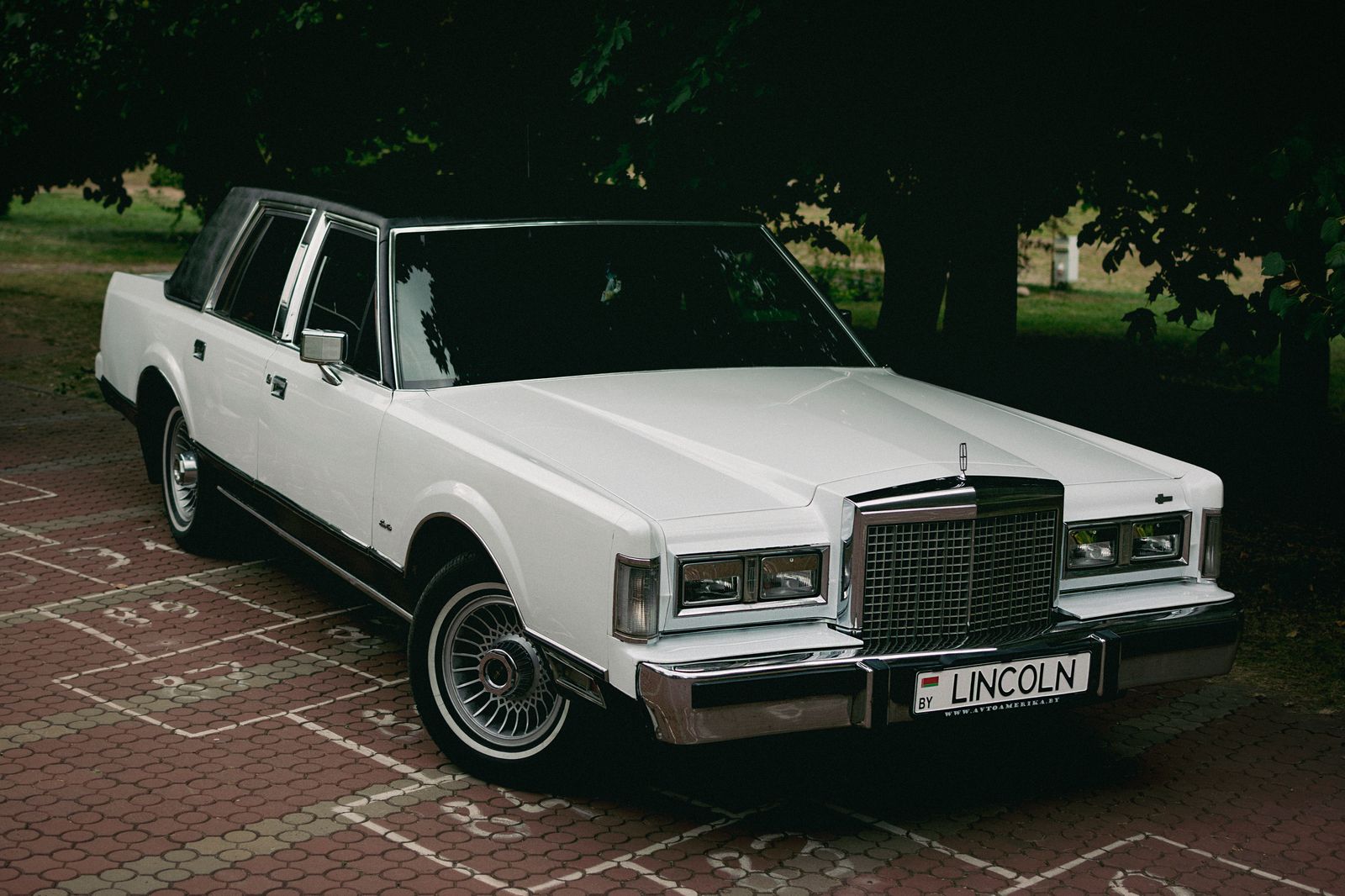
The executive service is delivered in the first-class sedan as standard - a long-wheelbase S-Class, 7 Series, A8 L or the local equivalent, black, unbranded, under five years old - and in the executive SUV where the principal travels with colleagues, luggage or a protection officer. Where a principal's security adviser requires it, a protected vehicle is sourced with the adviser through the security-trained chauffeur service. The business sedan is available for executives who prefer a lower profile; in some cities a discreet E-Class attracts less attention than an S-Class, and the chauffeur standard is identical.
| Situation | Vehicle | Why |
|---|---|---|
| Day of meetings in a capital | First-class sedan, hourly | Rear-seat working space, silent cabin, one chauffeur all day |
| Airport to hotel, late arrival | First-class sedan or business sedan | Named door, flight-tracked, luggage handled |
| Travelling with two colleagues and bags | Executive SUV | Six seats, proper luggage bay, same chauffeur standard |
| Principal with a protection officer | Executive SUV, security-trained chauffeur | Officer in the front, principal behind the chauffeur |
| Gala or premiere | First-class sedan, hourly | Arrival window, carpet drill, waiting for the evening |
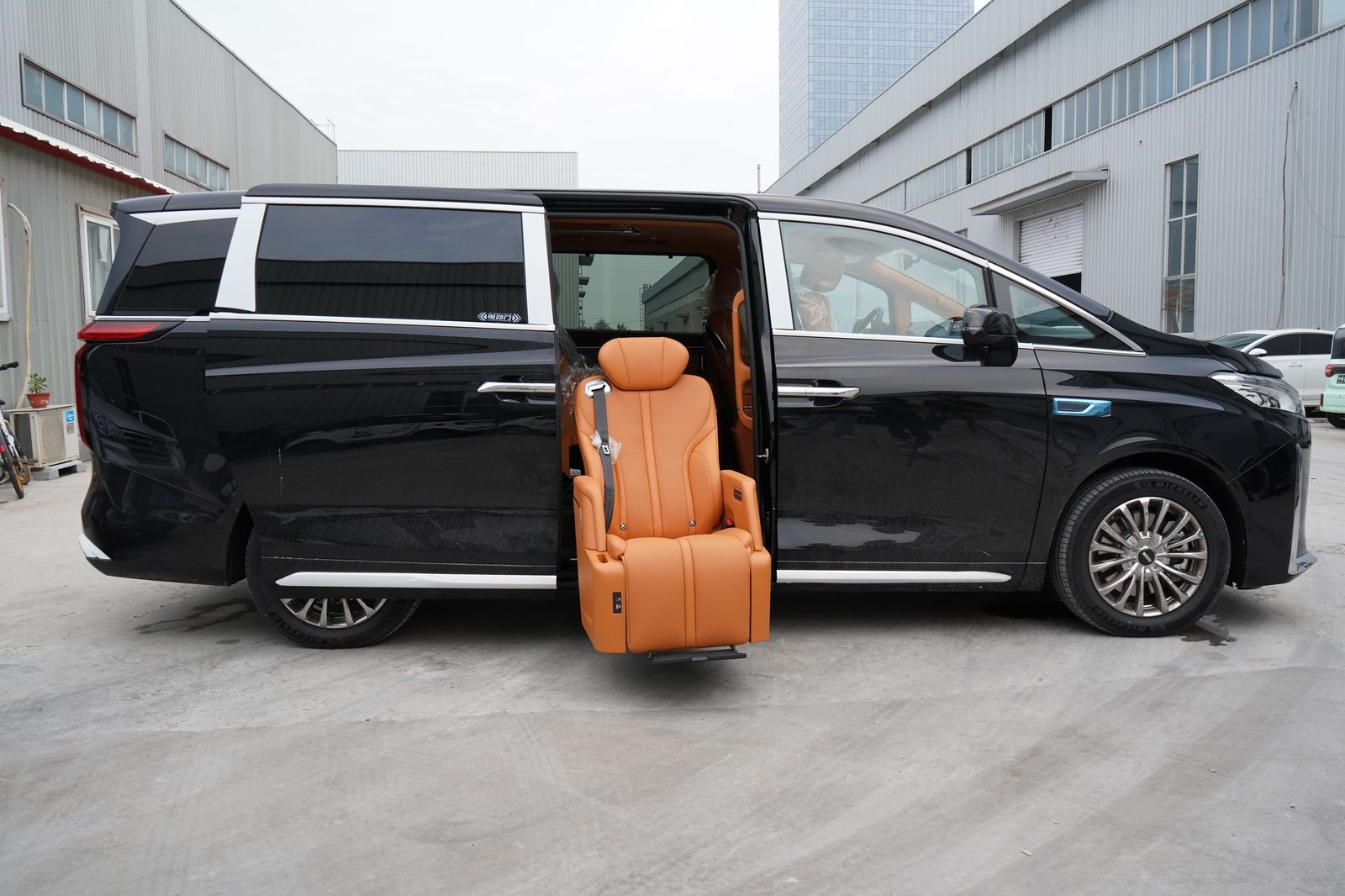
| Board moving together | Luxury van or Sprinter, plus lead sedan | One convoy, one coordinator |
Executive service on an account
Most executive work is booked by an assistant on a corporate account, where the principal's profile - class, seating, temperature, newspaper, name-board or kerb, standing instructions - is held once and applied to every booking without being repeated. The account also produces the record a company's duty-of-care policy needs and a single invoice for the finance team. The corporate chauffeur service page explains the account from the travel manager's side; the VIP chauffeur service page covers the same standard applied to a guest the company is hosting rather than to its own people.
The executive day, city by city
Executives fly between the same cities, and the standard is the same in all of them: the same fifteen-minute arrival, the same door drill, the same silence. What changes is local knowledge, which is why chauffeurs are drawn from the city and not flown in. A New York chauffeur knows which Park Avenue lobbies have a loading bay and which do not; a London chauffeur knows the congestion-charge boundary and where a car may wait near St James's; a Tokyo chauffeur knows the protocol for a hotel forecourt and the exact bow; a Riyadh chauffeur knows the compound gates and the prayer-time closures. The destinations page lists every city with rates on the engine, and the airport chauffeur service page explains how the first leg of any visit is handled.
Booking
Executive service is booked on the reservation engine as an hourly engagement or a transfer in the first-class sedan or executive SUV class; the fixed rate is shown before you confirm. For a multi-day visit, a roadshow or anything with a protocol element, send the brief and a coordinator will plan it. The rates guide sets out what an executive engagement typically costs by city tier, and the chauffeur vs security driver guide explains when a principal needs the second rather than the first. The employment standards for chauffeurs in North America are described by the U.S. Bureau of Labor Statistics; ours start where those end.
Precedence, seating and the second passenger
When an executive travels with others, the chauffeur's protocol training decides the seating without anyone having to ask. The seat of honour in a chauffeured sedan is the rear seat behind the front passenger - the kerb-side seat, the one the chauffeur opens first - and the principal takes it. A second senior passenger sits behind the chauffeur; an assistant, interpreter or protection officer sits in the front. In an executive SUV the principal takes the second-row kerb-side seat and colleagues fill the second row before the third. The chauffeur addresses the principal first and by title, holds the door for the principal first, and loads the principal's bag first. None of this is ceremony for its own sake: it is the mechanism by which a car full of people leaves and arrives in the right order without a conversation about it. The motorcade and protocol etiquette guide sets out the full convention.
Working days, long days and days that change
An executive day in a capital typically runs ten to fourteen hours and changes at least twice. The chauffeur's job is to make each change invisible: a moved meeting means a new route driven in silence, a cancelled meeting means a quiet suggestion of where the principal might wait comfortably, a late finish means the car is still there. Where the day runs beyond the chauffeur's legal driving hours, a second chauffeur is briefed identically and introduced by the first, so that the principal never meets a stranger. Where the principal's next city is another country, the global chauffeur service carries the profile and the standing instructions across the border.
Confidentiality in practice
Executives discuss in cars the things they would not discuss in a lobby. The chauffeur's undertaking covers everything overheard, everything seen on a screen or a document, every name of every passenger and every address visited. Chauffeurs do not carry personal phones in the cabin, do not use voice assistants that record, and do not discuss the day's passenger with dispatch beyond what the journey requires. Where a client's own security policy requires more - a signed non-disclosure agreement in the client's form, a chauffeur cleared to a particular level, a vehicle swept before an engagement - the security-trained chauffeur service and the client's security adviser agree the requirement in advance. The privacy policy describes what is recorded about a journey and for how long.
The executive standard, benchmarked
Chauffeur associations in the principal markets publish conduct codes, and the Limousine Association International standard to which RideRutz.com and its affiliates subscribe is the one applied here. It covers appearance - dark suit, white shirt, plain tie, no visible logos - as well as conduct, vehicle presentation and passenger handling. What the executive experiences as effortlessness is the product of a written standard and a great deal of practice.
Before the first booking
An executive's profile takes an assistant five minutes to complete and saves both of them the same conversation on every subsequent booking: vehicle class; kerb or name board; seat preference; temperature; newspaper and language; whether the chauffeur should carry an umbrella to the door; whether calls may be taken in the car; standing instructions such as "never use the hotel's main entrance" or "always stop at the same coffee shop before the office". The profile is applied to every booking on the account without being repeated and can be changed by the assistant at any time. Executives who book for themselves can hold a profile on the reservation engine in the same way. For a first visit to a city the profile is all a chauffeur needs; for a return visit the chauffeur who drove the last one is requested first, and the FAQ explains how preferred-chauffeur requests are handled.