









































































































Conference and summit transportation is multi-vehicle, multi-day chauffeured transport planned around a conference programme rather than a single passenger's day. RideRutz.com supplies it for summits, congresses, annual general meetings, investor days, board off-sites and trade shows: vehicles accredited for the venue's secure zones, delegation convoys with a lead chauffeur, hotel-to-venue shuttles on a timetable, and a coordinator stationed at the delegation hotel who can reach every chauffeur and reshape the plan as the programme changes.
A delegation is not a group of individuals
When twelve people from one organisation attend a summit, they arrive on eight flights, stay in three hotels, have four different reasons to be there and need to be in the same place at exactly three moments: the opening plenary, the delegation's own dinner and the group photograph. The rest of the time they scatter. Conference transport has to handle both states - the scatter and the convergence - and it has to do so within the organiser's accreditation, security and traffic arrangements, which change daily and are enforced. Booking it as a set of transfers produces the usual failure: cars that cannot enter the secure zone, delegates stranded at a hotel because the shuttle they assumed existed does not, a convoy that leaves without the person it was waiting for. RideRutz.com's method is built to prevent each of these.
The plan
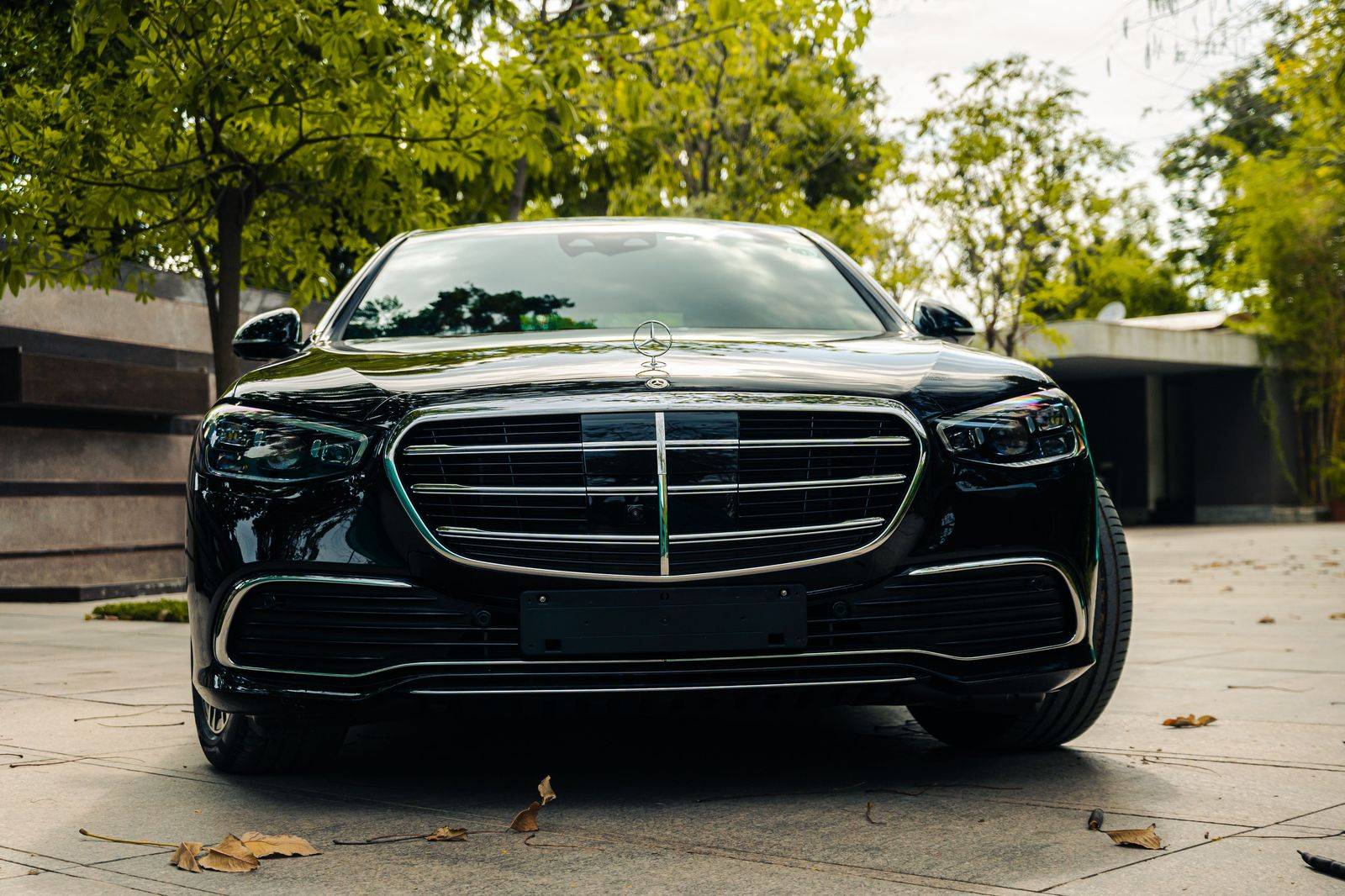
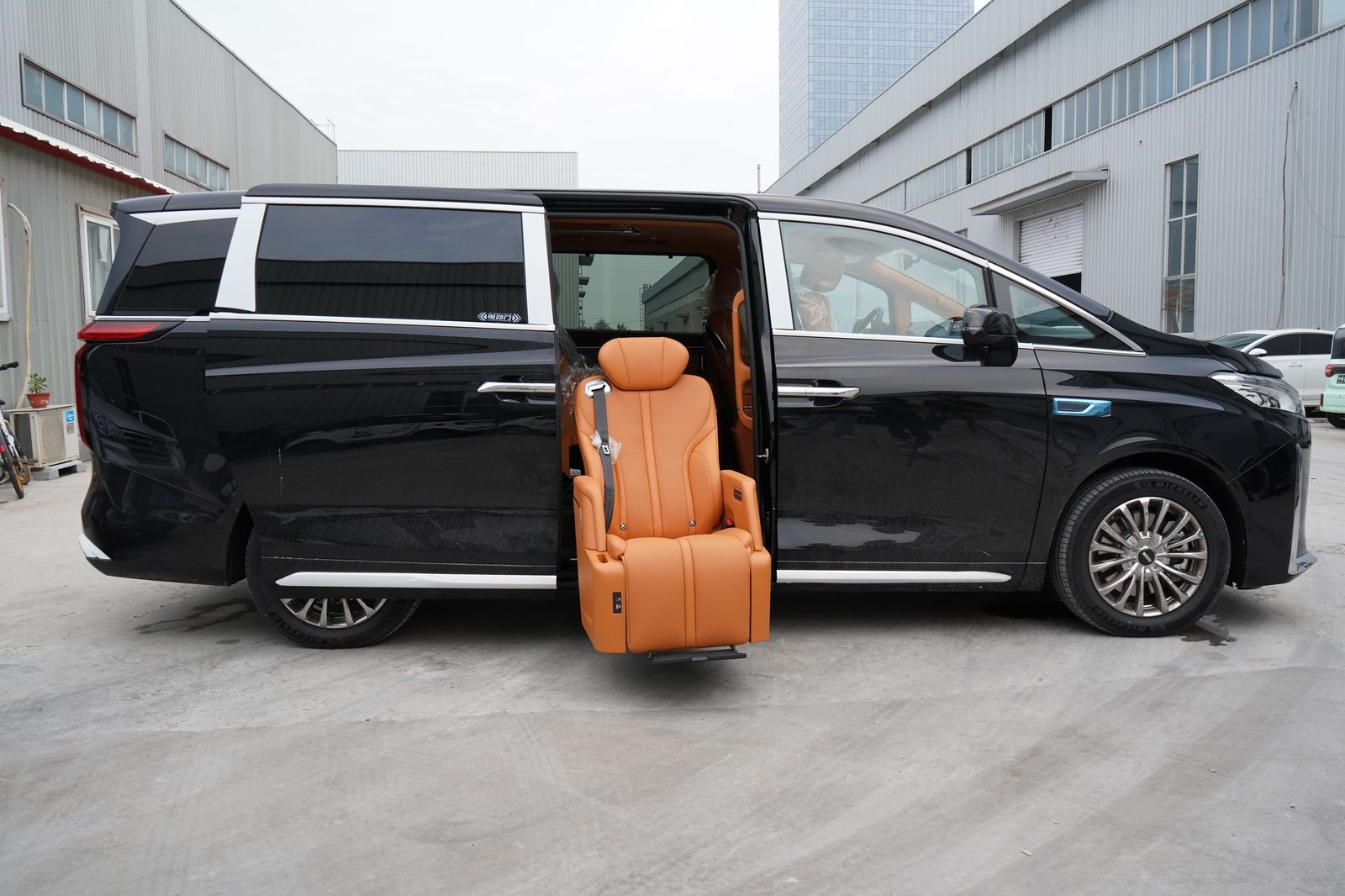
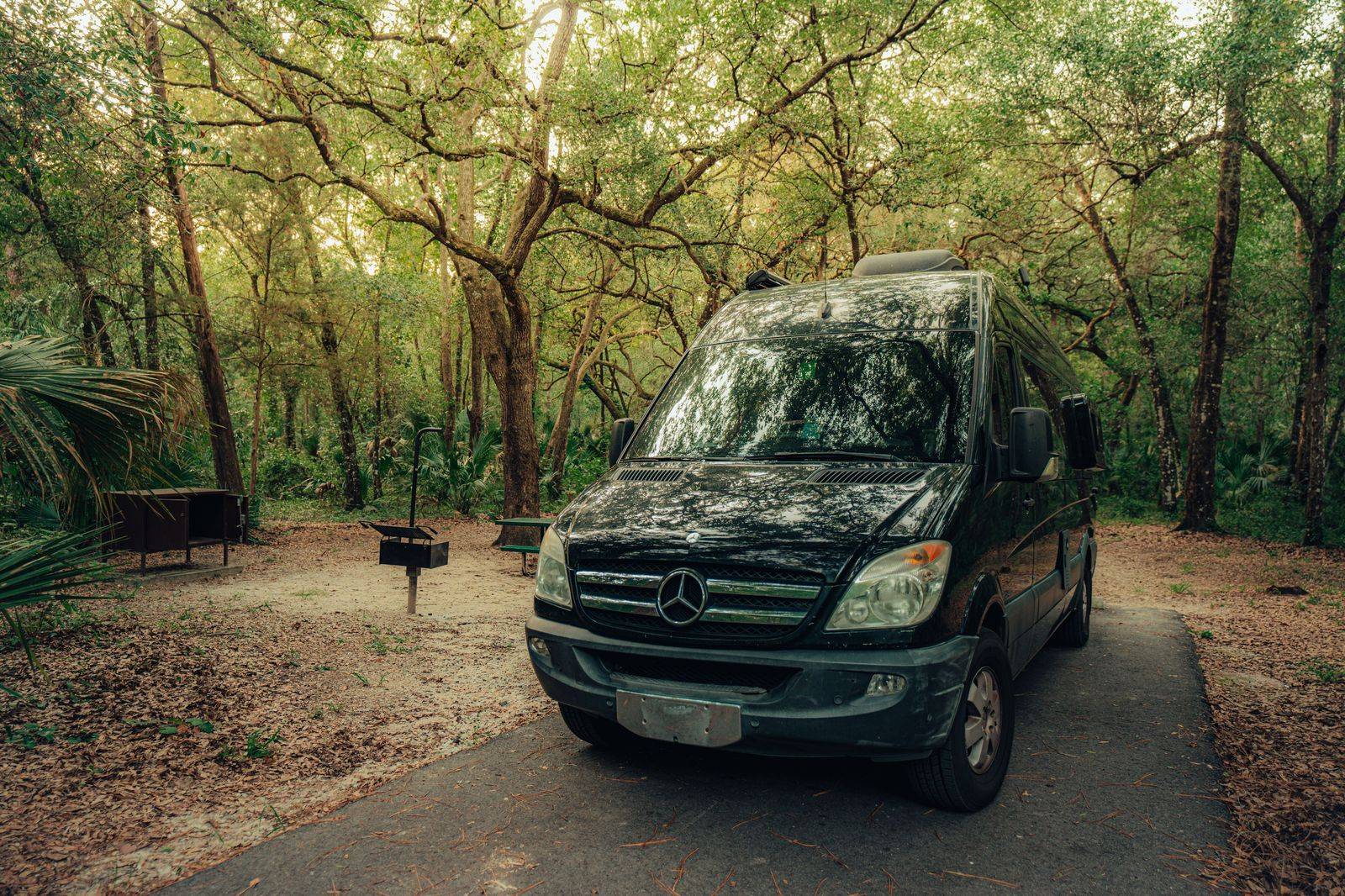
The plan starts with the programme and the delegation list: who arrives when and where, who stays where, which sessions each delegate attends, which side events, which dinners, when each leaves. The coordinator converts it into three layers. Arrivals and departures: each delegate's flight is tracked and met under the airport chauffeur service procedure, with the delegation's chauffeurs pooled so that a delayed arrival does not strand the next pickup. The daily shuttle: vehicles sized to the delegation run between the hotels and the venue on a timetable the delegation head approves, published to the delegates, with a chauffeur's number on it; the shuttle waits for no one and runs again in twenty minutes. The convoy: for the moments the delegation moves as one, a lead sedan for the head of delegation, an executive SUV or luxury van for the principals and a Sprinter for the rest, leaving together, arriving together, in order. A spare vehicle is held at the hotel throughout for the delegate who has to be somewhere else now.
| Layer | What the delegation gets |
|---|---|
| Arrivals and departures | Every flight tracked; pooled chauffeurs; a name board at the correct terminal or the FBO ramp; luggage to the hotel room |
| Daily shuttle | A timetable the head of delegation approves; vehicles sized to the delegation; a chauffeur's number on the timetable; runs every twenty minutes at peak |
| Convoy movements | Lead sedan, principals' vehicle, delegation Sprinter; leaves and arrives in order; a coordinator at the head |
| Accreditation | Vehicle and chauffeur details submitted to the organiser; passes held by the coordinator; the right pass on the right vehicle each day |
| Spare vehicle | Held at the delegation hotel for unscheduled movements |
| Coordinator | At the delegation hotel from the first arrival to the last departure; one number for the delegation's secretariat |
| Evenings | Receptions and dinners run to the gala standard with arrival windows and waiting |
Accreditation and secure zones
Summits and major congresses close the streets around the venue and admit only accredited vehicles, each with a pass for specific zones on specific days, and each carrying only accredited chauffeurs. The organiser's accreditation office needs vehicle registrations, chauffeur names and identity documents weeks in advance, and it does not make exceptions on the day. RideRutz.com's coordinator submits the details, collects the passes, ensures each vehicle carries the correct pass for each day and briefs every chauffeur on the zone map, the checkpoints and the screening procedure. Where the organiser designates a delegation lane, a drop-off point or a holding area, the coordinator walks it before the first day. Where the host government's security service takes charge of delegation movements, the chauffeurs work to its brief, and the diplomatic chauffeur service standard on motorcade conduct applies.
Corporate conferences and investor days
Not every conference is a summit. A company's annual sales conference, a law firm's partners' meeting, an investor day, a product launch or a board off-site at a resort is the same problem at a different scale: people arriving on many flights, moving between a hotel and a venue on a programme, and needing to be together at certain moments. The plan is the same three layers, the coordinator is the same, and the vehicles are sized to the numbers: Sprinters and minicoaches for a sales force, executive SUVs and luxury vans for a board, first-class sedans for the chief executive and the keynote speaker under the VIP chauffeur service standard. Corporate conferences are planned on the organisation's corporate account and invoiced once, coded to the event, and the travel desk can arrange the delegates' flights and hotels on the same file. Meeting planners will recognise the method from the standards taught by the Professional Convention Management Association.
Trade shows and congresses
At a large trade show or a medical, scientific or industry congress the transport problem is volume: thousands of attendees, dozens of hotels, a venue at the edge of the city and a taxi rank that cannot cope. A company exhibiting at such a show books its own team's shuttle and its clients' hospitality transport under this service, so that a client invited to the stand is collected from their hotel and returned to it by a chauffeur who knows the client's name and the company's meeting schedule, rather than joining the queue. Hospitality dinners during show week are run to the gala and event standard, and the worldwide gala calendar shows which congresses and shows fill which cities in which weeks, because hotel and vehicle availability follows them.
The conference cities
Summits and congresses concentrate in a small number of cities, and RideRutz.com's coordinators know their venues: Davos and Geneva; New York during the General Assembly; Washington for the spring and annual meetings of the financial institutions; Brussels, Strasbourg, Vienna and The Hague; Munich, Berlin and Frankfurt; London and Paris; Dubai, Abu Dhabi, Riyadh and Doha; Singapore, Bangkok, Jakarta, Tokyo and Seoul; Bali, Lisbon, Barcelona and the resort cities that host leadership off-sites. The destinations page lists every city with rates on the engine. Summits hosted by intergovernmental groups such as the G20 and forums such as the World Economic Forum publish their own accreditation and transport arrangements each year, and the coordinator plans within them.
Arranging conference transport
Send the programme and the delegation list - or, for a corporate conference, the attendee numbers, hotels and venue - and a coordinator will return a plan and a written quote within two working days. Summit weeks book out early, and accreditation deadlines are set by the organiser weeks in advance, so the earlier the outline arrives the more of the plan can be guaranteed. Conference transport is priced per vehicle per day with the coordinator included, and single vehicles for a delegate's day can be added on the reservation engine under the delegation's file as an hourly engagement.
A summit week, as the coordinator runs it
Day minus 30. The delegation confirms attendance. The coordinator receives the provisional programme and the delegation list, submits vehicle and chauffeur details for accreditation, holds the vehicles and books the coordinator's own room at the delegation hotel.
Day minus 3. The coordinator drives the venue's secure lanes with the passes, walks the delegation lane and the drop-off, confirms the hotel's diplomatic entrance and photographs everything for the chauffeurs' briefing. The shuttle timetable goes to the delegation secretariat for approval and is published to the delegates that evening.
Day one. Nine arrivals across three airports between 06:00 and 23:00. Every flight is tracked; two are late; the pooled chauffeurs absorb it and nobody waits. The head of delegation is met with a name board and a first-class sedan; the rest with an executive SUV and a luxury van. The spare sedan is at the hotel by noon.
Days two to four. The shuttle runs every twenty minutes at peak between the hotels and the venue's accredited lane; the convoy moves the delegation as one to the opening plenary, the group photograph and the delegation dinner; individual delegates book hourly chauffeurs on the file for bilaterals and side events; the coordinator sits in the hotel lobby with a radio and a phone from 06:30 to midnight. On day three the host closes an extra street without notice; the coordinator reroutes the shuttle before the 08:00 run.
Day five. Departures across two airports. The coordinator confirms each delegate airside, stands the vehicles down, returns the passes and closes the file. The secretariat receives one invoice.
Delegation etiquette the chauffeurs observe
The head of delegation rides in the lead vehicle and is met first at the airport, seated first in the convoy and delivered first at the venue. Delegates are addressed by title. The convoy leaves when the head of delegation is seated, not before, and does not leave a delegate behind who has been told a time; the coordinator's job is to make sure everyone has been told. Flags are flown only where the delegation's own protocol permits and only on the head's vehicle. Nothing discussed in a delegation vehicle is repeated, and delegation documents left in a vehicle are returned to the secretariat by the coordinator, sealed. The motorcade and protocol etiquette guide sets out the conventions in full for delegation secretariats new to summit work, and the chauffeur training and protocol page publishes the standard every chauffeur on the file has met.
Pricing and what is included
Conference and summit transport is priced per vehicle per day for the vehicle class in the host city, with the coordinator, the accreditation work, the venue walk-through, the shuttle timetable and the radio net included on any programme of six vehicles or more. Airport arrivals and departures are added at the fixed transfer rate; evening receptions and dinners at the per-vehicle evening rate. The quote is written, itemised by day and vehicle, and does not change unless the programme does, in which case the revised total is shown before it applies. Delegations and companies on a corporate account have the programme coded to the event and invoiced once; the FAQ covers deposits and cancellation windows for planned programmes, which are longer for summit weeks because vehicles are positioned and accredited weeks ahead.