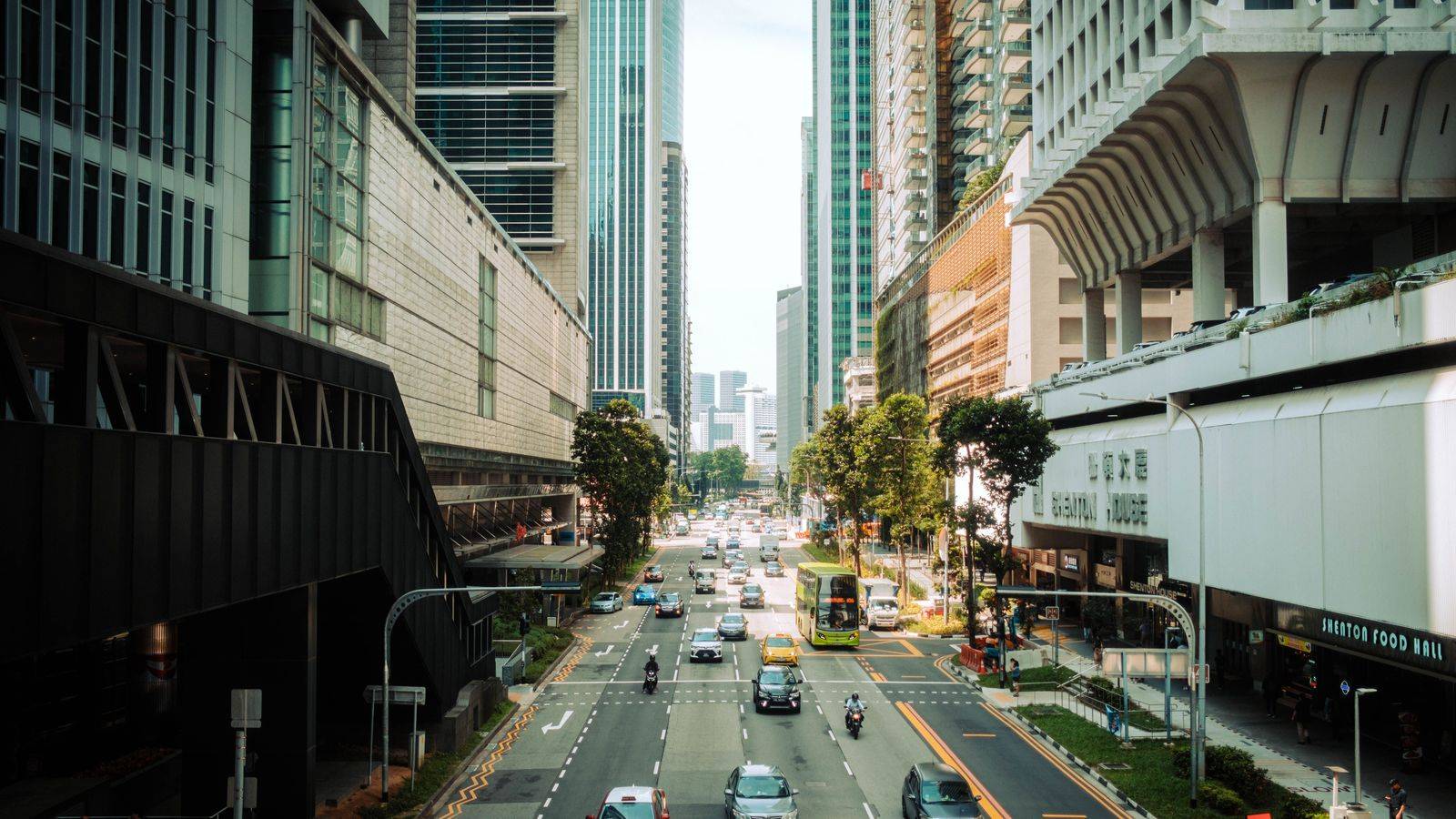










































































































A roadshow chauffeur service supplies a chauffeured vehicle, by the hour, for each day of a financial roadshow - the sequence of investor meetings a company's management and its bankers hold across several cities before an IPO, a bond issue, a secondary offering or simply to keep investors informed. RideRutz.com runs the whole tour on one file: a coordinator who holds the schedule as the syndicate desk revises it, a protocol-trained chauffeur in every city, vehicles sized to the team and the document boxes, and one invoice at the end.
The roadshow problem
A deal roadshow is the most compressed form of corporate travel there is. A management team of three or four, a banker, an investor-relations officer and sometimes a lawyer fly into a city in the evening, hold six to nine investor meetings the next day at addresses chosen by the investors, and fly out that night to do it again. The schedule is built by the bank's syndicate or equity-capital-markets desk, is confidential until the meetings happen, and changes hourly: an investor moves a meeting, another asks for a second one, the anchor order arrives and the chief executive has to take a call from the road. The management team should be thinking about the pitch. Everything else - where the car is, how long the drive to the next investor takes, whether the boxes are in the boot - is the roadshow chauffeur's job.
The hourly chauffeur service is the product; the roadshow service is what it becomes when it is planned around a banker's schedule for a week across five cities, with a coordinator who understands that the schedule is the deal.
How a roadshow is run
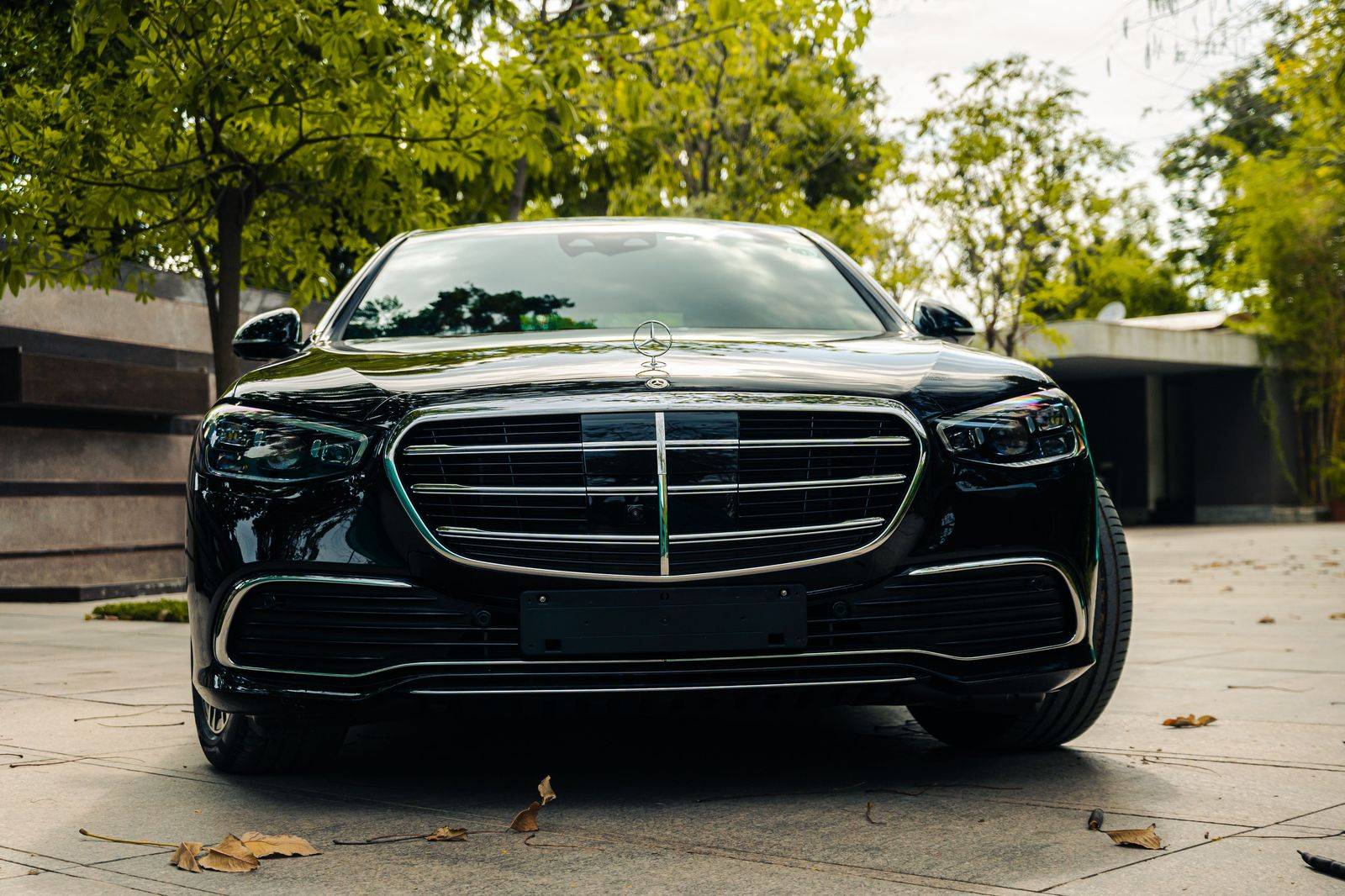
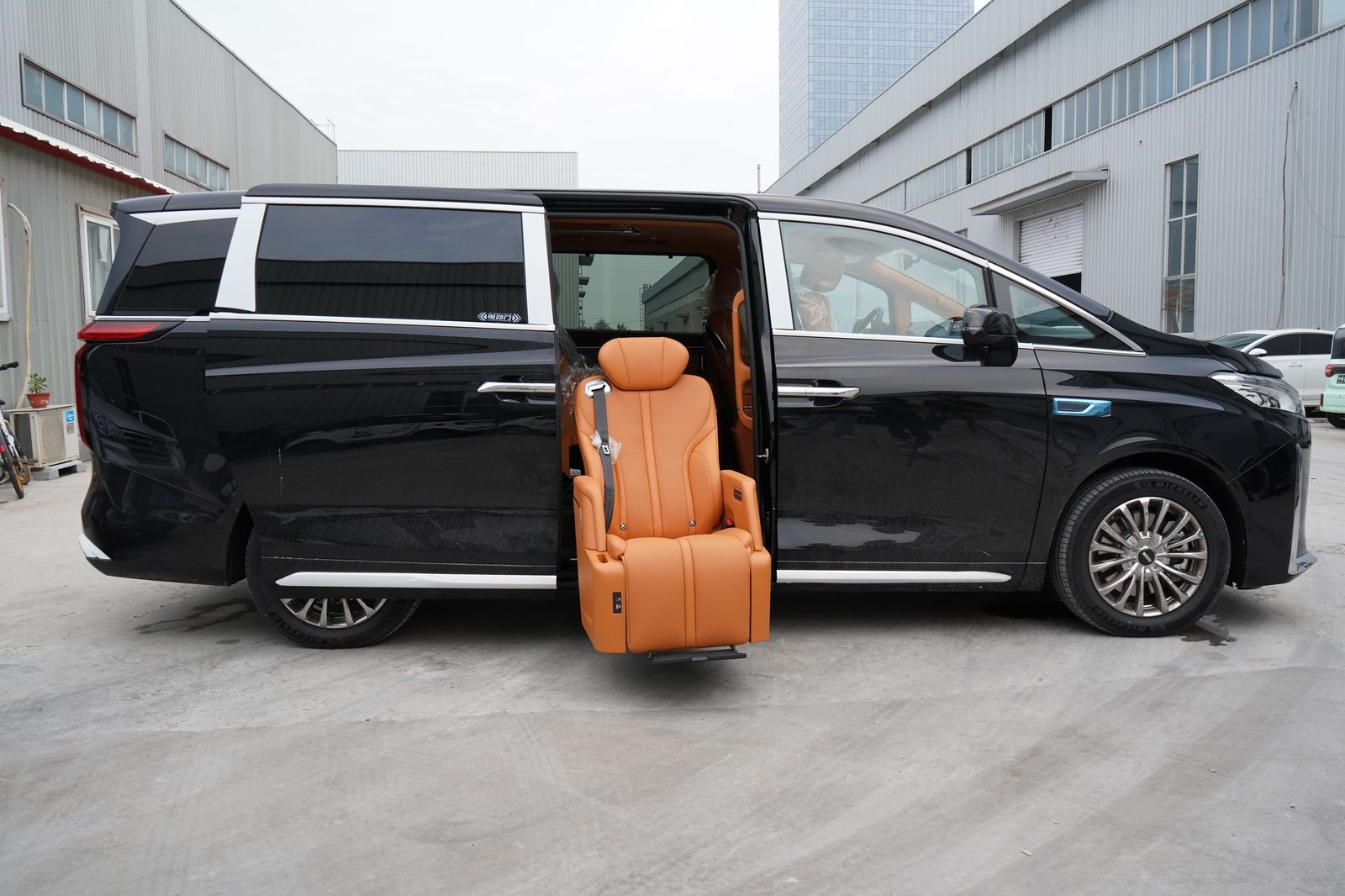
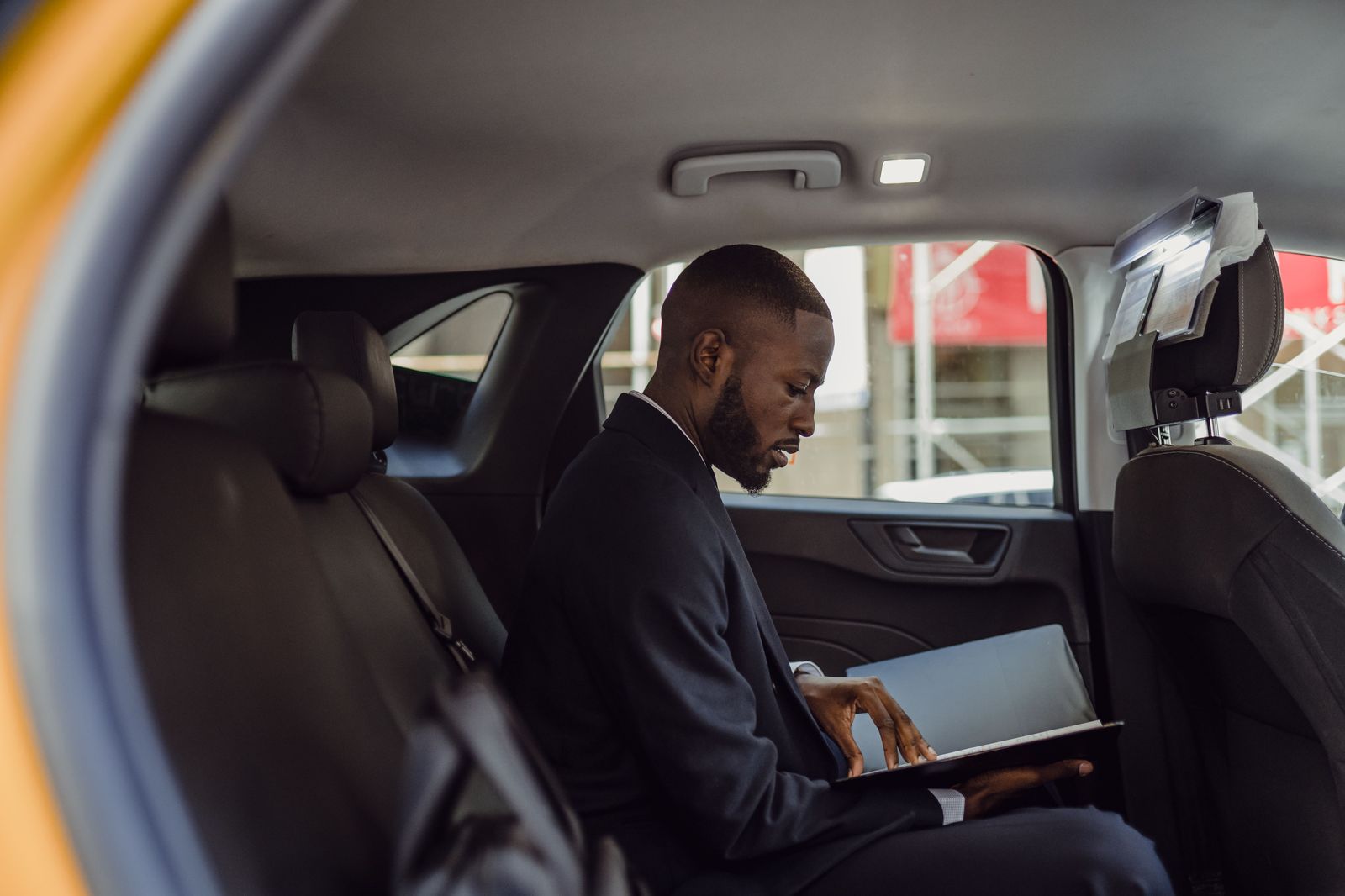
The bank's roadshow coordinator or the company's investor-relations officer sends us the tour outline - cities, dates, the size of the travelling party, the hotel in each city and, when it exists, the meeting schedule. From that we build a file with one RideRutz.com coordinator responsible for the tour from the first flight to the last. In each city a chauffeur is assigned for the full day, from the hotel departure to the airport, in a vehicle sized to the party and its boxes: an executive SUV for a team of four with luggage and materials, a luxury van for a larger group that needs to work between meetings, a second vehicle for the bankers where the syndicate travels separately.
The chauffeur receives the schedule the evening before and drives it that morning where the addresses allow: the entrance to each investor's building, where the vehicle can wait, how long each drive takes at the hour it will be made. On the day, the chauffeur delivers the team to each meeting, holds nearby, and is at the door when the meeting ends. When the schedule changes - and the coordinator receives the changes from the desk in real time - the chauffeur already knows. Lunch is often taken in the car; the chauffeur knows where to collect it. At the end of the day, the chauffeur delivers the team to the airport or the FBO with the boxes, confirms the next city's chauffeur has the updated file, and stands down.
| Roadshow element | How it is handled |
|---|---|
| Schedule changes | Coordinator receives them from the syndicate desk and briefs the chauffeur in real time; the chauffeur re-routes without comment |
| Confidentiality | Chauffeurs sign the confidentiality undertaking; the schedule is held only by the coordinator and the day's chauffeur, and destroyed after the tour |
| Document boxes and materials | Loaded and unloaded by the chauffeur at every stop; the vehicle is never left unattended with materials in it |
| Multiple cities | One coordinator, one file, one profile for the management team; a local chauffeur briefed identically in each city |
| Airports and FBOs | Airport transfers and FBO handovers on the same file; flight tracking for late arrivals |
| Second vehicle | Bankers, lawyers or a second management group travel in a second vehicle on the same schedule |
| Invoice | One invoice for the tour, itemised by city and day, coded to the deal on the account |
Confidentiality on the road
A roadshow schedule is material non-public information: it names the investors, the order in which they are seen and, by implication, the deal itself. RideRutz.com treats it as such. The schedule is held by the coordinator and by the chauffeur assigned to that day only, on a device that is not the chauffeur's own, and is deleted after the tour. Chauffeurs on roadshow work are drawn from those who have done executive and diplomatic engagements and who understand that nothing said in the car - a valuation range, an investor's reaction, an anchor order - is repeated to anyone. Where the bank or the issuer requires chauffeurs to sign the deal's own confidentiality agreement or to be wall-crossed, that is arranged before the tour. The chauffeur training and protocol page publishes the standard; the privacy policy describes the minimum record kept of any journey.
The financial centres
Roadshows follow the money, and RideRutz.com's roadshow chauffeurs are rostered in the cities where it sits: New York, Boston, Chicago, San Francisco, Los Angeles and Toronto; London, Edinburgh, Frankfurt, Zurich, Geneva, Paris, Amsterdam, Milan and Stockholm; Dubai, Abu Dhabi, Riyadh and Doha; Hong Kong, Singapore, Tokyo, Seoul, Sydney and Mumbai. In each, the chauffeurs know the buildings: which Midtown towers have a lobby a car may wait at and which do not; how long Canary Wharf takes from Mayfair at 08:15; where a car waits at a Zurich bank's private entrance; which Hong Kong towers have a basement drop-off. Full-week European and Asian legs are run with the same coordinator across borders, and the global chauffeur service page describes how the profile travels. The destinations page lists every city with rates on the engine.
Beyond the deal roadshow
The same method serves the non-deal roadshow an investor-relations team runs twice a year; the reverse roadshow in which analysts and investors are driven to a company's sites; the private-equity or hedge-fund tour of portfolio companies; the sell-side conference week where a management team holds thirty one-to-one meetings in a hotel and a car is needed only between the hotel and dinner; the site visit for lenders before a project financing; and the investor day at which a company hosts fifty analysts and needs conference-style transport from the airport to the site and back. Each is planned from the same brief. Where the issuer's or the bank's principals are on a corporate account, the tour is coded to the deal and invoiced once; the travel desk can arrange the flights and hotels on the same file where the bank's travel team wants one supplier for the road.
What the bank's coordinator can expect
One name and one number for the tour, awake in every time zone the tour crosses. A car plan for each day returned within hours of the schedule, and updated as the schedule is. A chauffeur at the hotel fifteen minutes before departure every morning with the vehicle detailed, water and the day's papers in the cabin, and the boxes loaded. A message when the team is delivered to each meeting and when it leaves. A chauffeur who never asks how the meeting went. And an invoice at the end that the deal team can allocate without a query. The offering process a roadshow serves is described in outline on Wikipedia; the logistics are rarely described anywhere, because when they work nobody notices them. The listing rules that govern the process are set by exchanges such as the New York Stock Exchange and the London Stock Exchange; the transport is ours.
Arranging a roadshow
Send the tour outline - cities, dates, party size, hotels, and the schedule when it exists - and a coordinator will return a car plan and a written quote within a working day, sooner when the tour launches inside a week. Roadshow days are priced at the hourly rate for the vehicle class in each city, with the coordinator included; airport transfers and FBO handovers are added to the same file at the fixed transfer rate. A single roadshow day in one city can be booked on the reservation engine as an hourly engagement.
A roadshow day in New York
06:45. The chauffeur is at the hotel on Park Avenue with an executive SUV detailed overnight, four bottles of water, the morning's papers and the day's schedule on a device that is not his own. 07:15. The chief executive, the chief financial officer, the investor-relations officer and the banker come down together; the boxes go in the boot; the first meeting is at a fund in Midtown at 08:00 and the chauffeur has confirmed the building's entrance and where the vehicle may hold. 08:00 to 12:30. Four meetings across Midtown and the Plaza District; the chauffeur waits within two minutes of each door; at 10:40 the desk moves the 14:00 meeting to 13:15 and the coordinator has told the chauffeur before the team returns to the car. 12:30. Lunch, pre-ordered, collected on the way downtown, eaten in the car. 13:15 to 17:30. Four meetings between Wall Street and Hudson Yards; a second investor asks for a follow-up and the coordinator finds twenty minutes at 16:40 that the chauffeur can make work. 17:45. Teterboro. The boxes are handed to the aircraft; the chauffeur confirms to the coordinator that the Boston chauffeur has tonight's updated schedule; the team is airborne by 18:30. The receipt shows eleven hours, two parking fees and a toll.
What the bank's team never has to do
Call a car company in each city. Explain the schedule to a stranger every morning. Wonder whether the car will be at the fund's entrance or the building's loading dock. Carry the boxes. Find lunch. Ask whether the driver heard what was said. Reconcile fifteen receipts against a deal code. Explain to the chief executive why the car is late.
The second vehicle and the follow-up meeting
Two situations recur on every tour. The first is the second vehicle: the syndicate bankers, the lawyers, a second management group covering the smaller accounts, or the investor-relations team that peels off for a press interview. The second vehicle runs on the same file with its own chauffeur and its own copy of the schedule, and the coordinator keeps the two in step so that the team reconvenes at the airport. The second situation is the follow-up: an investor who wants to see the chief executive again before the book closes, an anchor who wants a call from the car. The roadshow chauffeur's value is greatest here, because a car that is already waiting can make a twenty-minute meeting happen that a car that has to be summoned cannot. Roadshow professionals who follow CFA Institute guidance on investor communications will recognise the discipline: the schedule is the deal, and the transport must never be the reason a meeting is missed.