









































































































Film festival and award show transportation is chauffeured transport for the talent, delegations, juries, executives and sponsors who attend a festival or an awards ceremony, planned around the festival's screening schedule, the organiser's carpet windows and the city's festival traffic plan. RideRutz.com runs it as one file for the week: a coordinator who knows the festival's venues and rules, chauffeurs trained in the carpet drill and in talent discretion, and vehicles positioned early in cities where every car is spoken for by the first weekend.
Festival weeks and award nights
A festival takes over a city. Cannes closes the Croisette; Venice moves everything by boat and the last kilometre by car; Toronto spreads across a downtown of hotels and cinemas; Berlin runs through February snow between Potsdamer Platz and the Zoo Palast; Sundance funnels everyone up a single mountain road. In each, the festival organiser publishes a traffic plan, an accreditation scheme and a set of carpet arrival windows, and a studio, distributor, sales agent or talent team that arrives without having planned for them spends the week in queues. Award season - the sequence of ceremonies and parties in Los Angeles, London and New York between January and March - is the same problem in three cities, with the added complication that the same principals attend most of the events and the same cars must be in three places on one night.
RideRutz.com's festival service is the gala and event transportation method applied to a week, the celebrity transportation standard applied to every talent movement, and the conference method applied to a delegation, held together by a coordinator who was in the same city for the same festival last year.
What a festival file contains
| Movement | How it is planned |
|---|---|
| Talent arrival | Airport or FBO to hotel under the celebrity standard; the hotel's festival entrance confirmed with its security; press avoided or met as the publicist decides |
| Press day | Hourly chauffeur on the publicist's grid; every venue confirmed for entrance and contact; a second vehicle for the glam team |
| Premiere | The organiser's arrival window met to the minute; staging on the festival's traffic plan; carpet or private entrance per the publicist; the car waits through the screening |
| Jury and delegation | Daily shuttle between hotel and screenings on the festival timetable; convoy for the opening and closing ceremonies |
| Parties and dinners | Arrival windows and waiting; departures called by radio; late-night hotel entrances confirmed with the night manager |
| Sponsors and executives | Executive and VIP standard for a studio's, a brand's or a financier's leadership; hospitality guests collected and returned |
| Departure | Hotel to airport or FBO with luggage; the coordinator closes the file |
The festivals
Cannes in May: the Croisette is closed to all but accredited vehicles during screening hours, the Palais has a single carpet approach and the Martinez, Carlton and Majestic each have a festival entrance the hotels' security controls; vehicles must be accredited weeks ahead and the coordinator holds the passes. The festival's own protocol governs the steps. Venice in late August and September: the Lido is reached by boat or by car via the ferry, the Palazzo del Cinema carpet is short and heavily photographed, and the coordinator plans the boat-to-car handover at the Lido's pier. Toronto in September: a downtown festival with a dozen venues, the TIFF Lightbox and Roy Thomson Hall carpets, and hotel entrances on King and Front streets that the police manage; the same week as Venice and New York fashion week, so vehicles are positioned early. Berlin in February: the Berlinale Palast carpet in the snow and a city that drives easily otherwise. Sundance in January: one road up to Park City, shuttles that the festival runs, and private vehicles that must be accredited for the Main Street closures. And the market festivals - Cannes Lions in June, Toronto and Berlin's markets, MIPCOM in October - where executives rather than talent are the passengers.
Award season
The Academy Awards in Los Angeles, the BAFTA Film Awards in London, the Golden Globes, the Grammys, the Screen Actors Guild awards and the guild ceremonies that precede them, and the parties that follow each, make up a season in which the same principals move between the same hotels, the same venues and the same after-parties across two months. The ceremonies publish arrival windows to the minute and the streets around the venues are closed hours ahead; the after-parties admit only vehicles on the host's list. RideRutz.com plans a principal's award season as one file: the ceremonies, the pre-parties, the after-parties, the press days between them and the flights that connect Los Angeles, London and New York, with a coordinator who holds the host lists and the arrival windows and a chauffeur in each city who has done the same night before. The worldwide gala calendar lists the season month by month.
Talent, delegation and the studio
Three clients typically share one festival file. The talent's publicist or management books the celebrity movements: the arrival, the press day, the premiere and the parties, under the name the publicist chooses. The film's producer, sales agent or distributor books the delegation: the director and cast to the premiere as a convoy, the delegation to the market screenings and the dinners, the jury or the financiers to the ceremonies. And the studio's, the streamer's or the brand sponsor's executives book the executive and VIP movements for their leadership and their hospitality guests. The coordinator holds all three on one file so that a change in the premiere's window moves every car that depends on it, and invoices each client separately, coded on their corporate account.
Vehicles and positioning
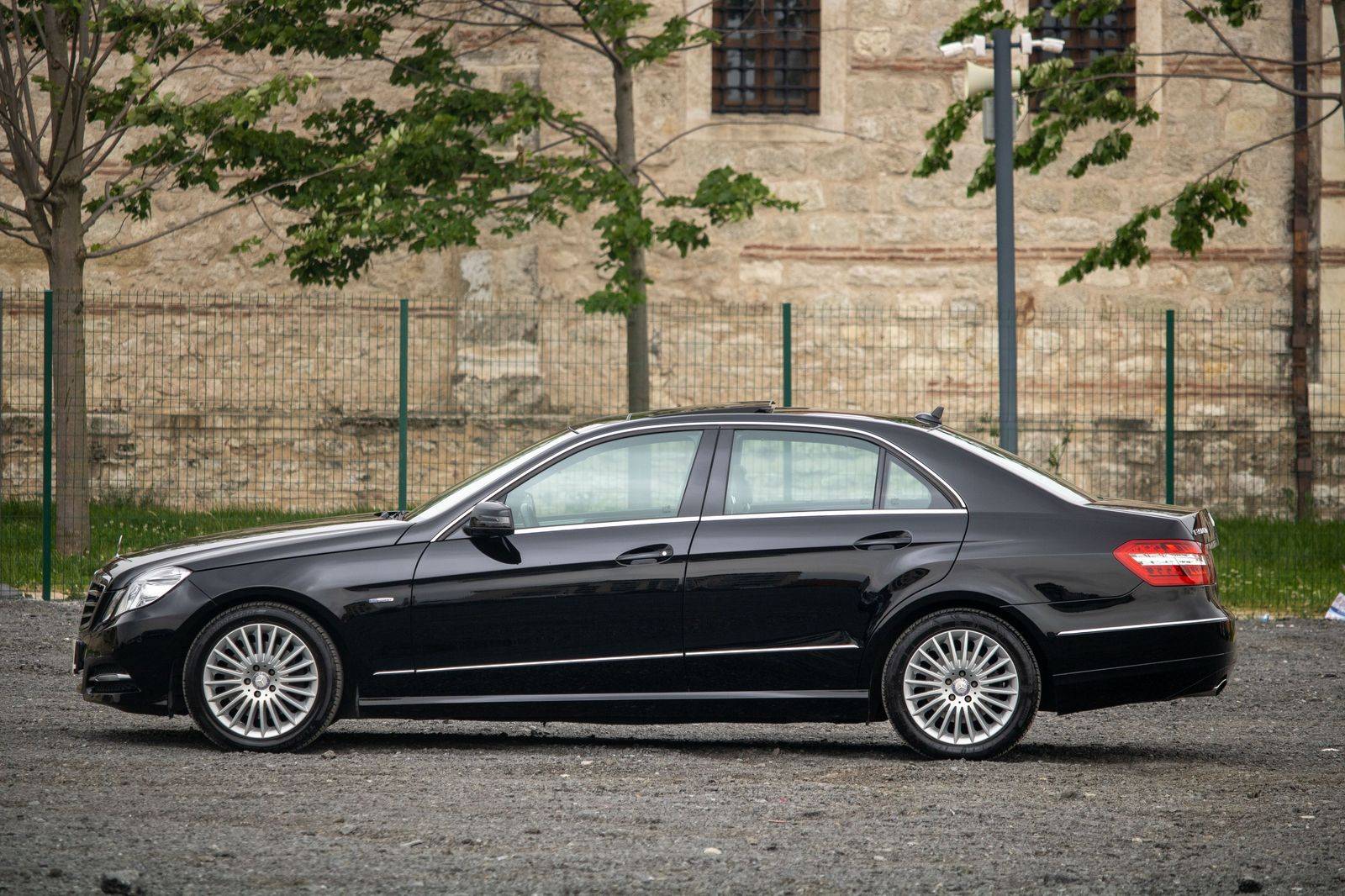
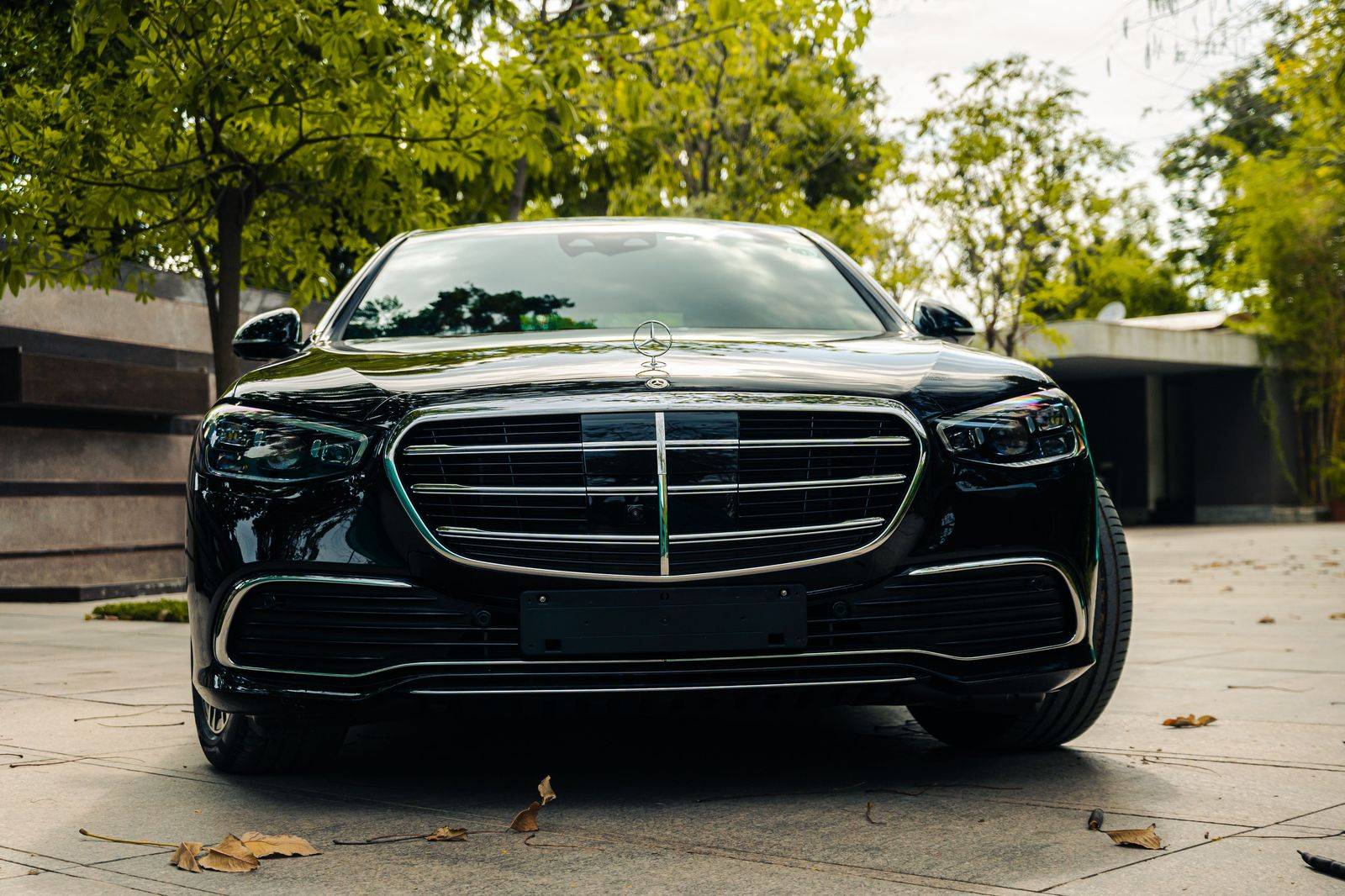
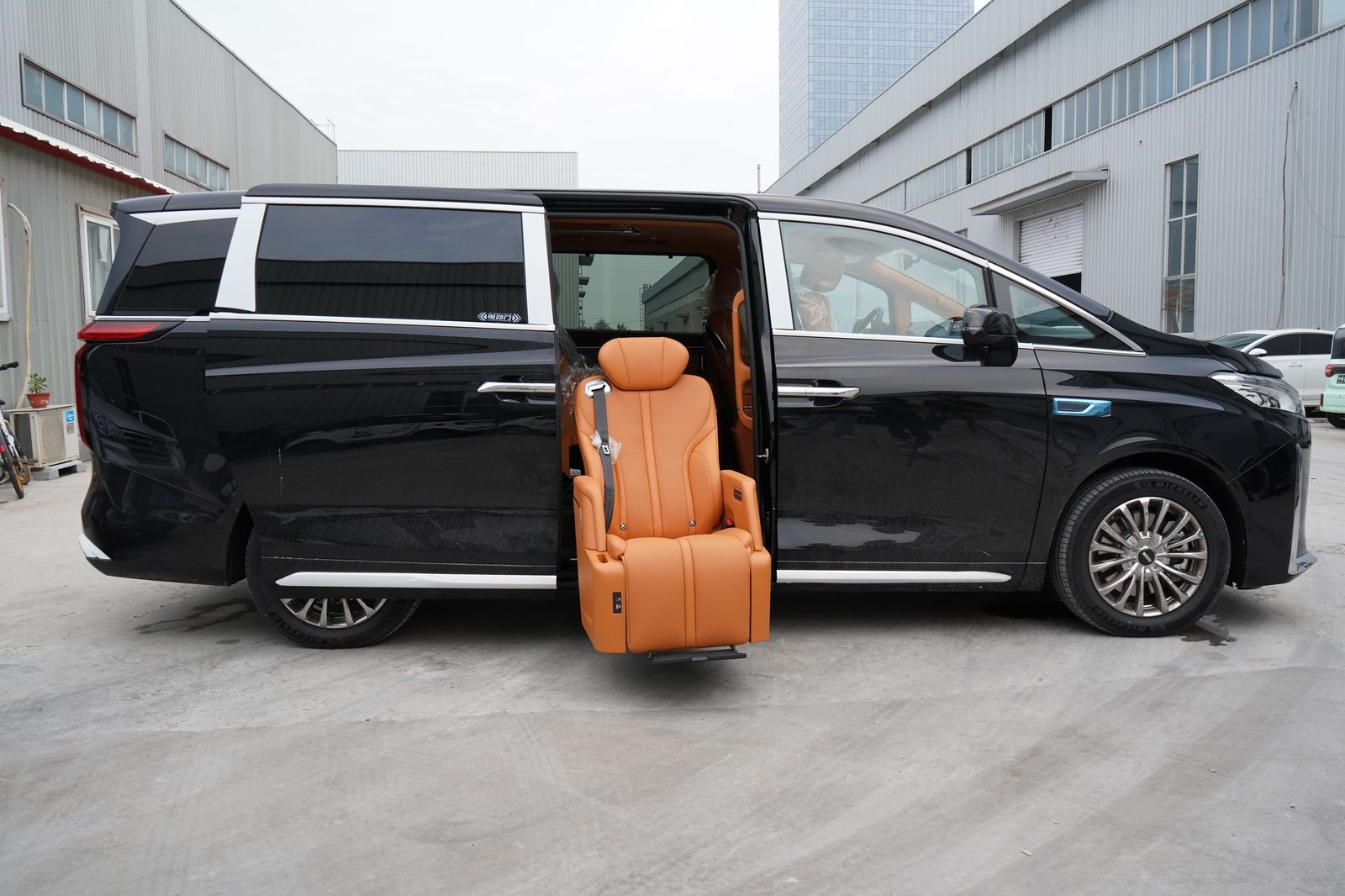
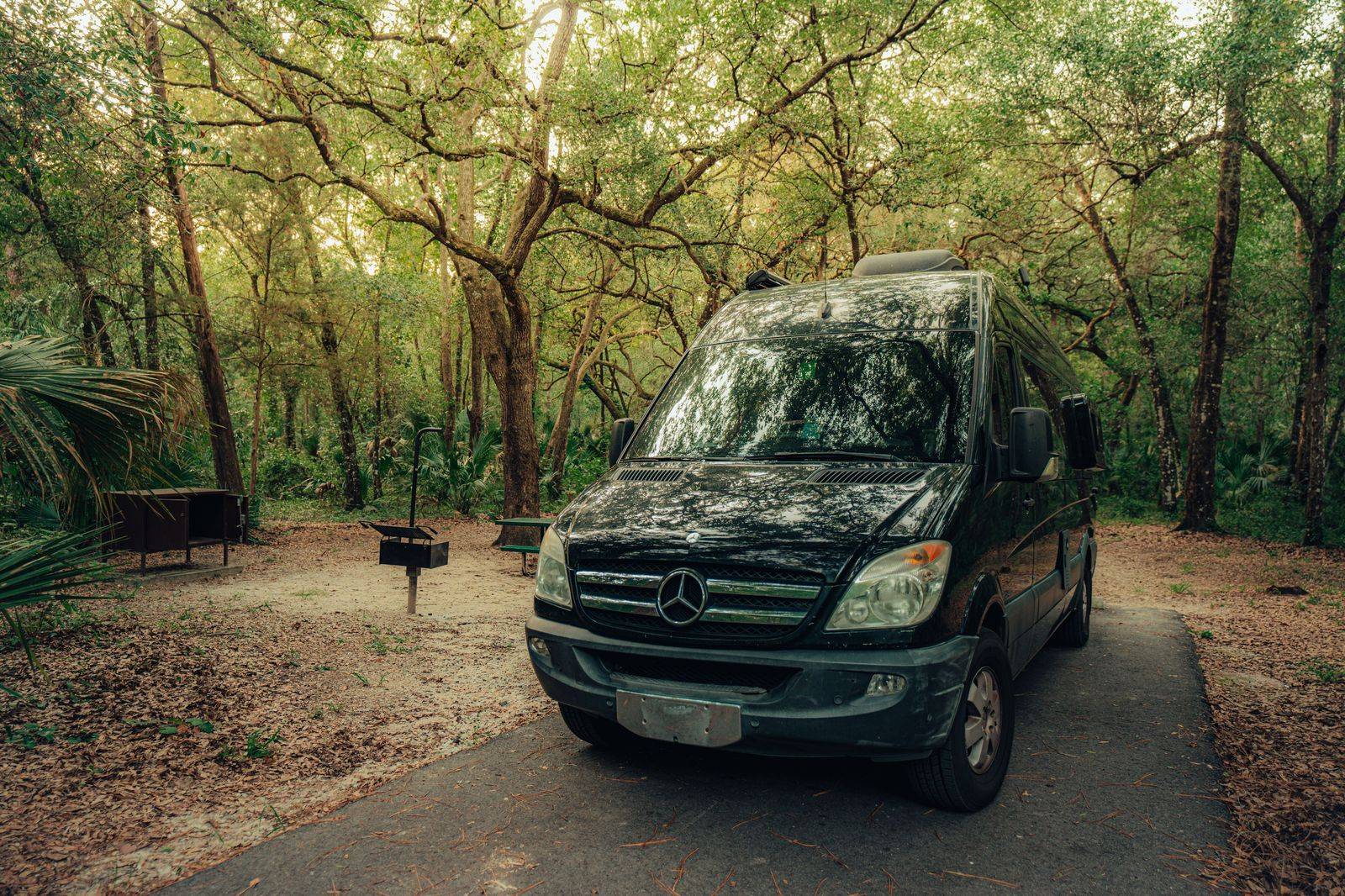
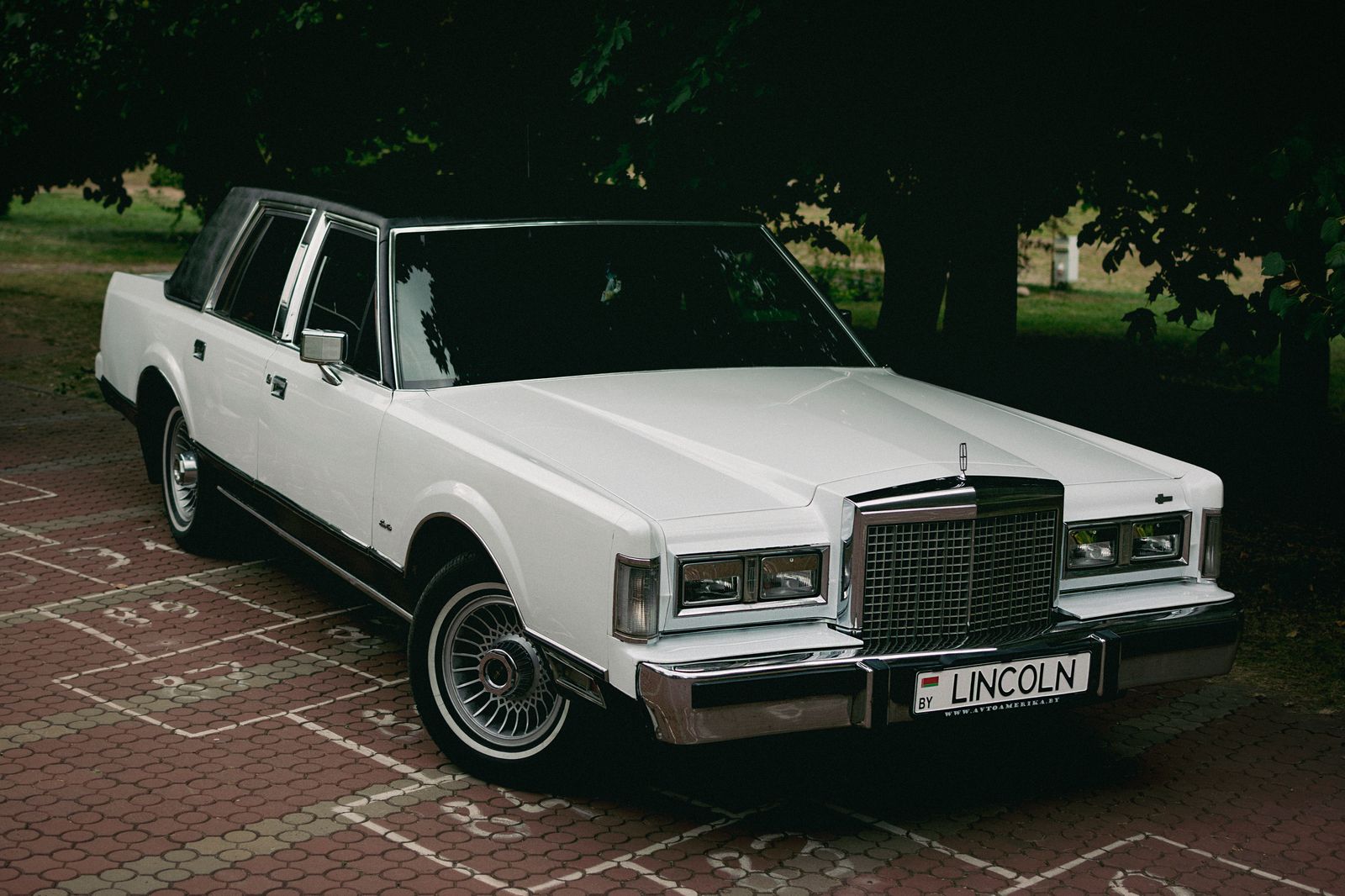
Festival cities run out of black vehicles by the first weekend, so the file is opened as soon as the selection is announced and vehicles are positioned - driven in from neighbouring cities where necessary - the week before. First-class sedans and executive SUVs are the carpet vehicles; luxury vans carry a glam team or a delegation with room to work; Sprinters move a cast and crew together; stretch limousines are used only where a studio wants the arrival photographed that way. In Venice the coordinator books the water taxis that connect the Lido; in Sundance the vehicles are all-wheel-drive SUVs by necessity. The fleet page lists the classes.
Arranging festival transport
Send the brief - the festival, the dates, the talent or delegation, the screenings and events, the hotels - and a coordinator will return a plan and a written quote within two working days, sooner inside a fortnight of the festival. Festival days are priced at the hourly rate for the vehicle class with the coordinator included; premieres and parties are priced per vehicle for the evening. A single festival-week car for one executive is an hourly engagement on the reservation engine.
A premiere night at Cannes
The talent's publicist has the carpet window: 19:12 to 19:15, the moment the festival's protocol wants this film's cast on the steps. The hotel is 900 metres away and the Croisette is closed. At 18:20 the accredited first-class sedan, with the chauffeur who did the same premiere last year, is at the Martinez's festival entrance, the glam team's van behind it. At 18:45 the coordinator, at the Palais approach with the festival's carpet marshal, calls the car forward to the holding point on the Croisette. At 19:08 the marshal releases it; the car approaches at walking pace between the barriers and the photographers, stops with the rear kerb-side door on the mark, and the chauffeur opens it on the marshal's signal and steps back out of the frame. The cast climbs the steps; the car pulls away on the coordinator's release and repositions to the exit lane behind the Palais, where it waits through the screening and the ovation. At 22:40 the coordinator, at the exit, calls the car as the publicist signals; the cast is in the car within thirty seconds; the after-party's host list has the registration; the car is on the list. At 02:15 the chauffeur delivers the cast to the hotel's night entrance, confirmed with the night manager an hour earlier, and stands down.
Sales agents, financiers and the market
The market that runs alongside every major festival - the Marche du Film at Cannes, the industry conference at Toronto, the European Film Market at Berlin - is a business conference in a festival city, and its passengers are executives: sales agents with thirty buyer meetings in four days, financiers, distributors, streamer executives with a screening every three hours. Their transport is the executive and roadshow method - an hourly chauffeur on a meeting grid, a coordinator holding the changes - run in a city whose streets are closed and whose hotels are full. It is booked on the company's corporate account, coded to the festival, and the travel desk handles the flights and the hotel rooms that festival cities sell out a year ahead.
Pricing a festival file
Festival days are priced at the hourly rate for the vehicle class in the festival city, with a festival supplement in the weeks when the city's rates rise and the coordinator included on any file of three vehicles or more. Premieres, ceremonies and parties are priced per vehicle for the evening, waiting included. Water taxis at Venice, all-wheel-drive vehicles at Sundance and positioning from neighbouring cities are itemised. The quote is written and itemised by day and movement; the studio, the talent's management and the producer each receive their own. Award-season files across three cities are quoted as one programme with the flights between them tracked on the file and, where the client wishes, booked by the travel desk. The FAQ covers deposits and cancellation windows, which are longer in festival weeks because vehicles are positioned early.