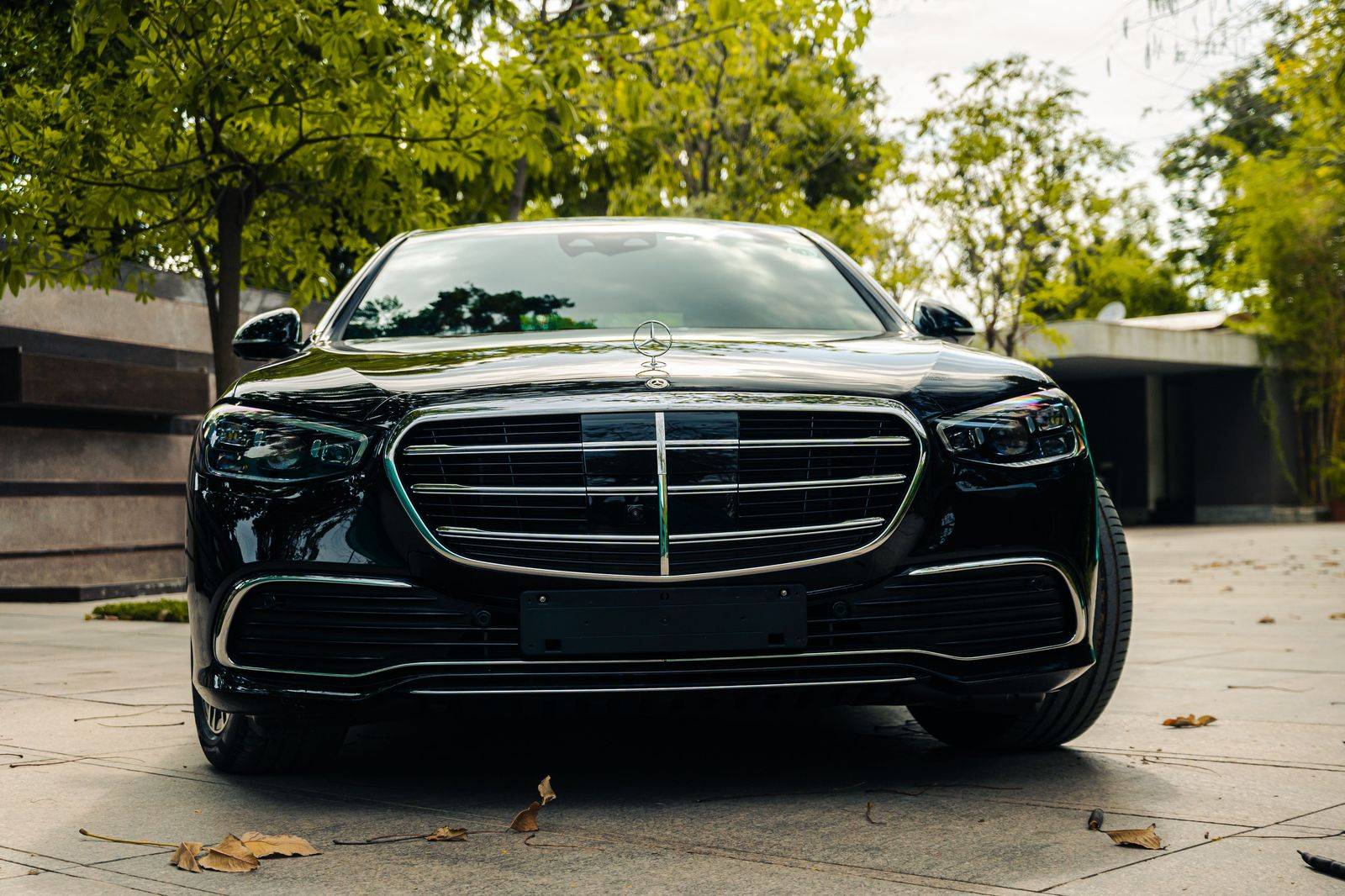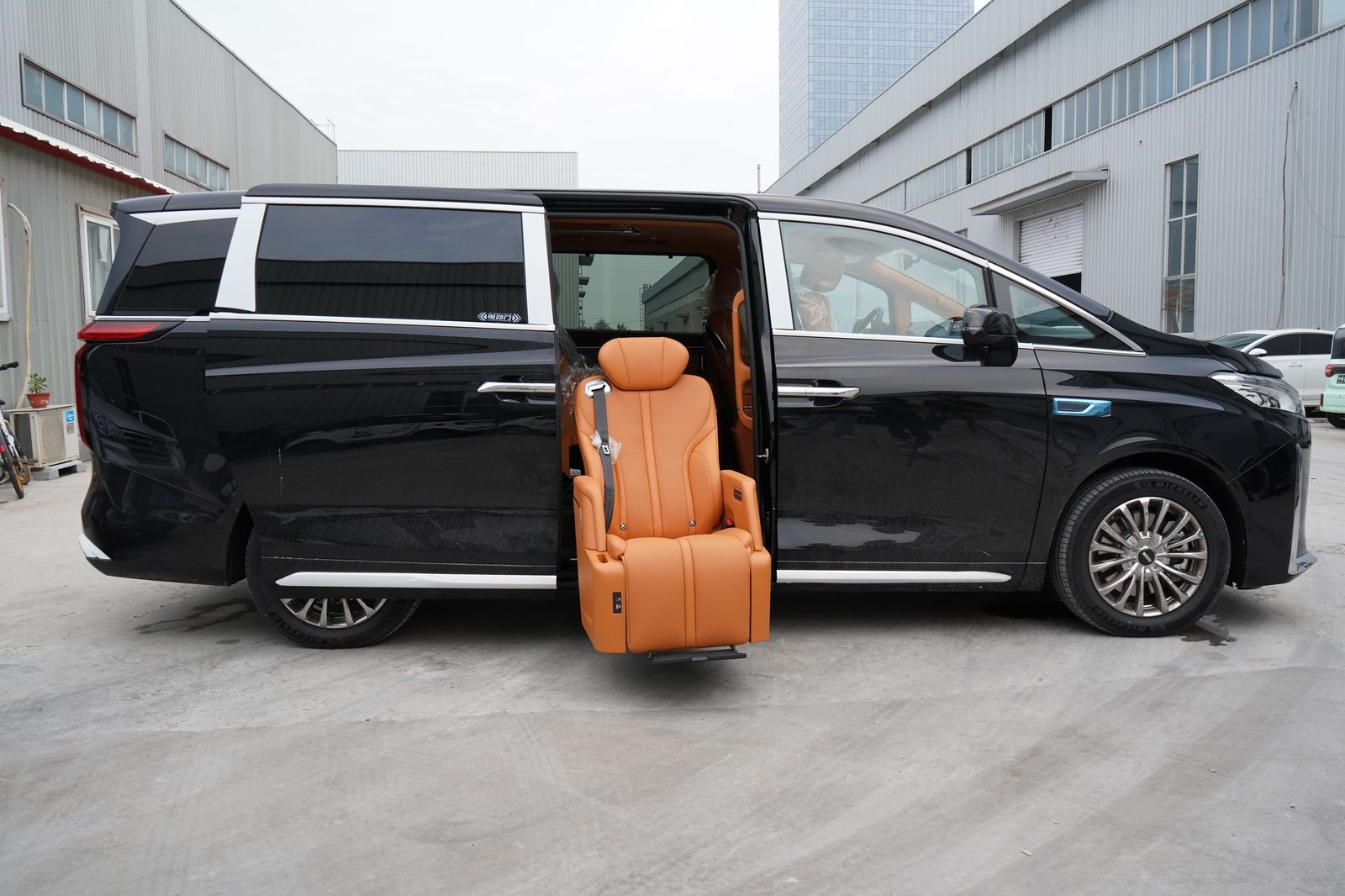










































































































RideRutz.com's diplomatic chauffeur service supplies chauffeurs and black vehicles to embassies, consulates, permanent missions, ministries, international organisations and visiting delegations. Chauffeurs are trained in the conventions this work requires - order of precedence, seating, flag and pennant use, motorcade conduct, gate and screening procedures, and absolute discretion - and the service is delivered by the hour, by the visit or on a standing arrangement, in every capital and conference city we work in.
What a mission needs from a chauffeur
Embassies employ their own drivers for the ambassador's official car, and those drivers know their capital, their principal and their mission's procedures better than any outside chauffeur could. What a mission cannot do is scale that standard up for a ministerial visit, a delegation of forty, a conference week or a national-day reception, or reproduce it in another capital when the ambassador travels. That is the gap RideRutz.com fills: chauffeurs who already know the conventions a protocol officer would otherwise have to teach in an afternoon, vehicles that meet a mission's expectations without a briefing, and a coordinator who can be given the visit programme and trusted with it.
The conventions themselves are not secret. Precedence follows the host country's order and the visiting delegation's own; seating in a car follows precedence, with the senior passenger behind the front passenger seat; a flag is flown only on the vehicle of the head of mission or the visiting principal and only when they are in it; a motorcade holds its spacing and its order and does not overtake itself; a gate procedure is followed exactly as the mission's security instructs. What RideRutz.com adds is that its chauffeurs have practised them, and that a protocol officer arriving in a strange capital can rely on that. The motorcade and protocol etiquette guide sets out the conventions we train to, drawn from published sources such as the U.S. Department of State (Office of the Chief of Protocol).
Engagements
| Engagement | What is supplied |
|---|---|
| Ministerial or official visit | Principal's first-class sedan or executive SUV with a protocol-trained chauffeur; follow vehicles for staff and security; a coordinator holding the visit programme; airport-to-airport |
| Delegation to a conference or summit | Lead vehicle and convoy sized to the delegation; accreditation and vehicle passes handled with the organiser; a coordinator at the delegation hotel |
| Head of mission travelling | A vehicle and chauffeur of the mission's standard in another capital, with the mission's own standing instructions applied |
| National-day reception, state dinner, credentials ceremony | Cars for the mission's guests and principals to the event standard: arrival windows, staging, waiting for the evening |
| Standing arrangement | Hourly chauffeurs on call for a mission's visiting officials, on account, invoiced monthly |
| International organisation | Cars for officials, rapporteurs and visiting experts during sessions and missions, on account |
The visit programme
A ministerial visit arrives as a programme: arrival at the airport with the host protocol's reception, calls on the host government, a wreath-laying, a working lunch, a bilateral at a hotel, a reception, a dinner, a press conference, departure. Each line has a place, a time and a contact, and each carries a protocol requirement - which entrance, which door of the car, whether the flag is flown, who rides with the principal. The coordinator turns the programme into a car plan, briefs each chauffeur on each line with a diagram of the venue, and rides with the delegation's protocol officer or stands at the delegation hotel throughout, so that when the programme changes - a call is added, a dinner moves - the plan changes with it and the chauffeurs know before the officer has finished the sentence. The conference and summit transportation page covers the multi-delegation version during a summit week.
Motorcade conduct
A visiting principal's movement through a capital is a small motorcade: a police lead where the host provides one, the principal's car, a follow vehicle for security and staff, and a spare. Our chauffeurs are trained to hold the spacing the lead sets, to keep the order, never to let another vehicle into the convoy, to move as one at intersections, to arrive at the drop-off mark in sequence and to depart in sequence. They know the signals a protection team uses and the positions each vehicle takes at a stop. Where the host government's security service or the delegation's own protection takes charge of the movement, the chauffeurs work to that brief exactly. The security-trained chauffeur service supplies chauffeurs with the additional training a protection team may require, and can source discreetly protected vehicles where a mission's security adviser requests them.
Flags, pennants and vehicle presentation
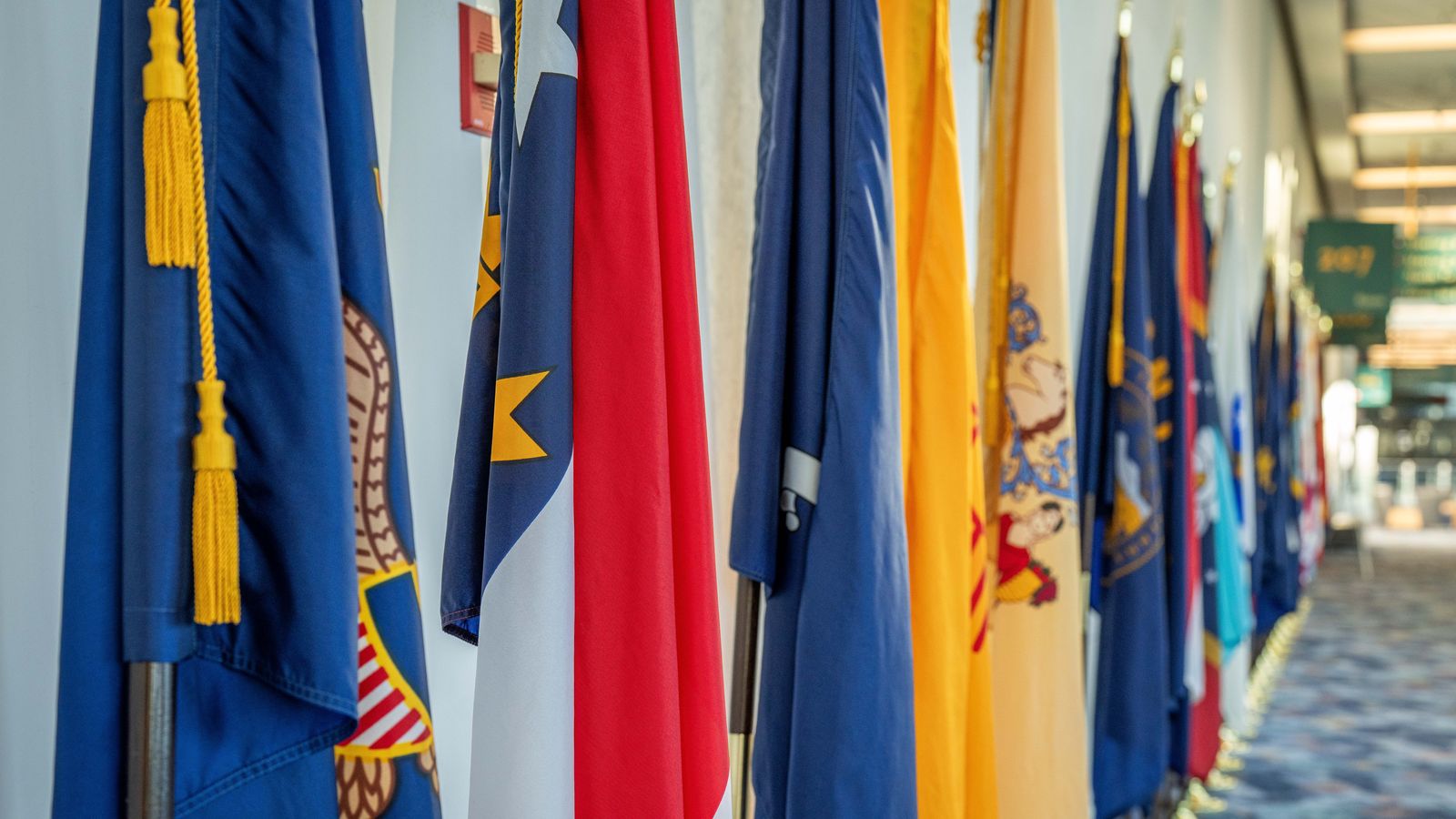
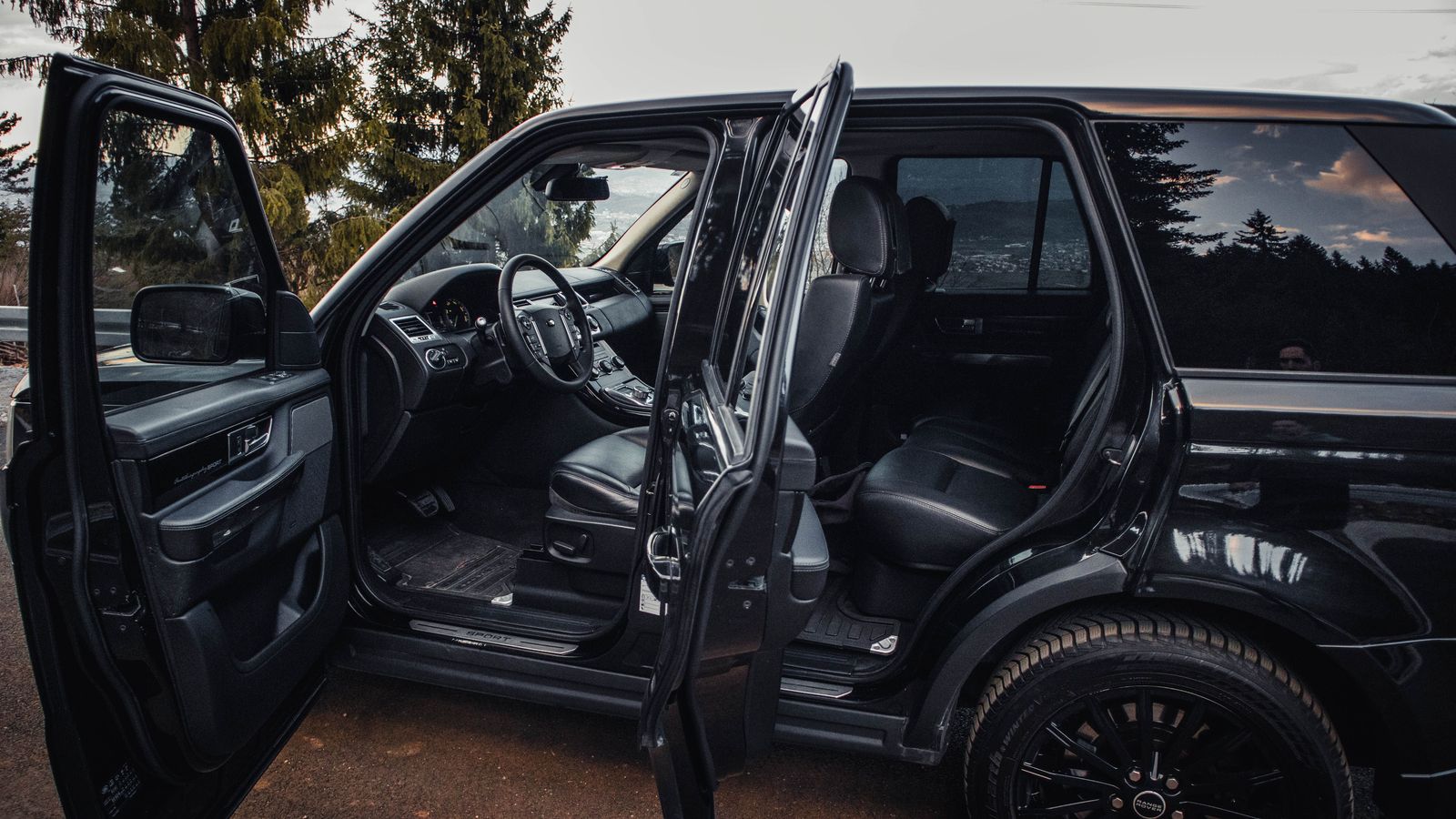
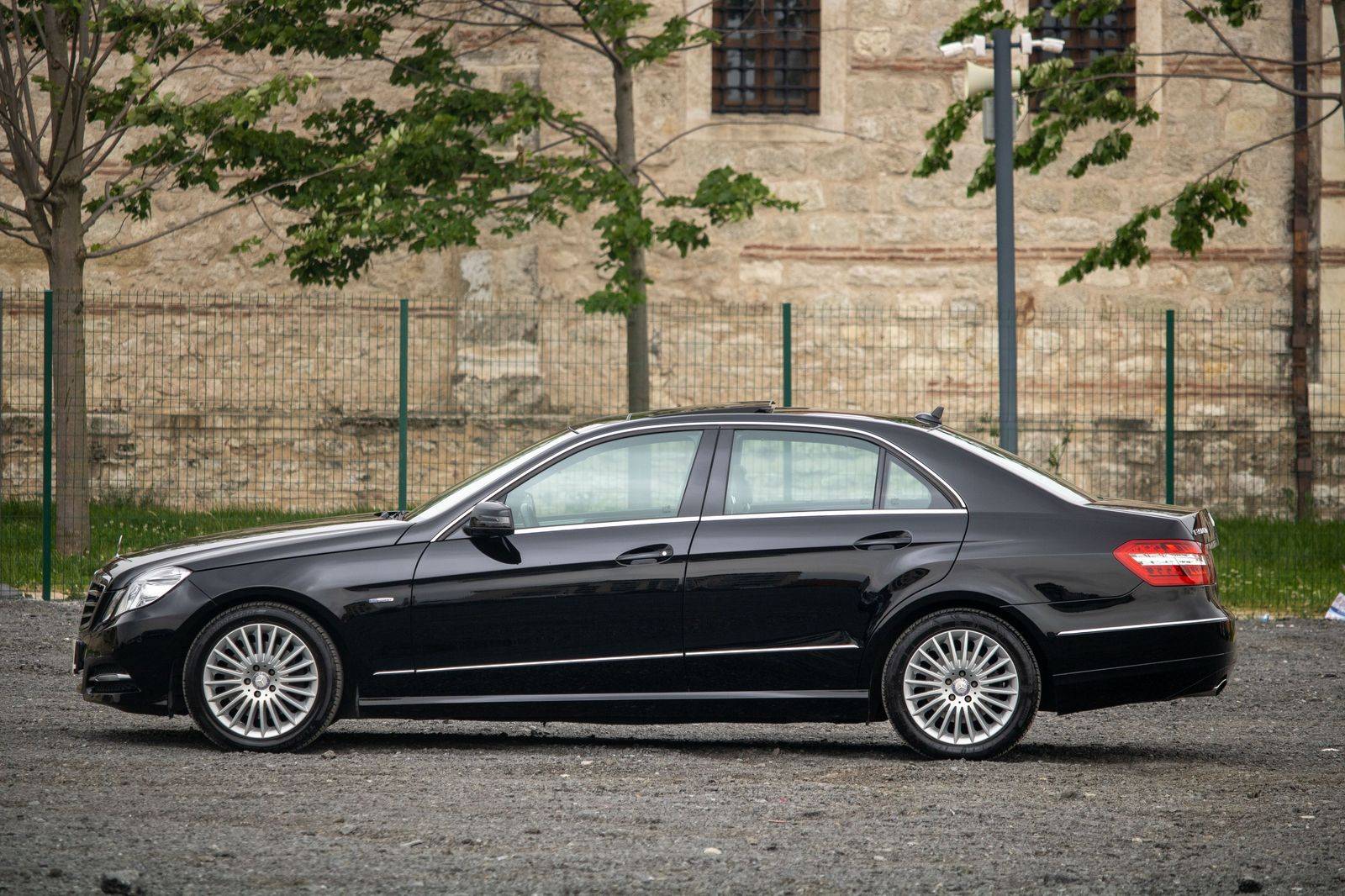
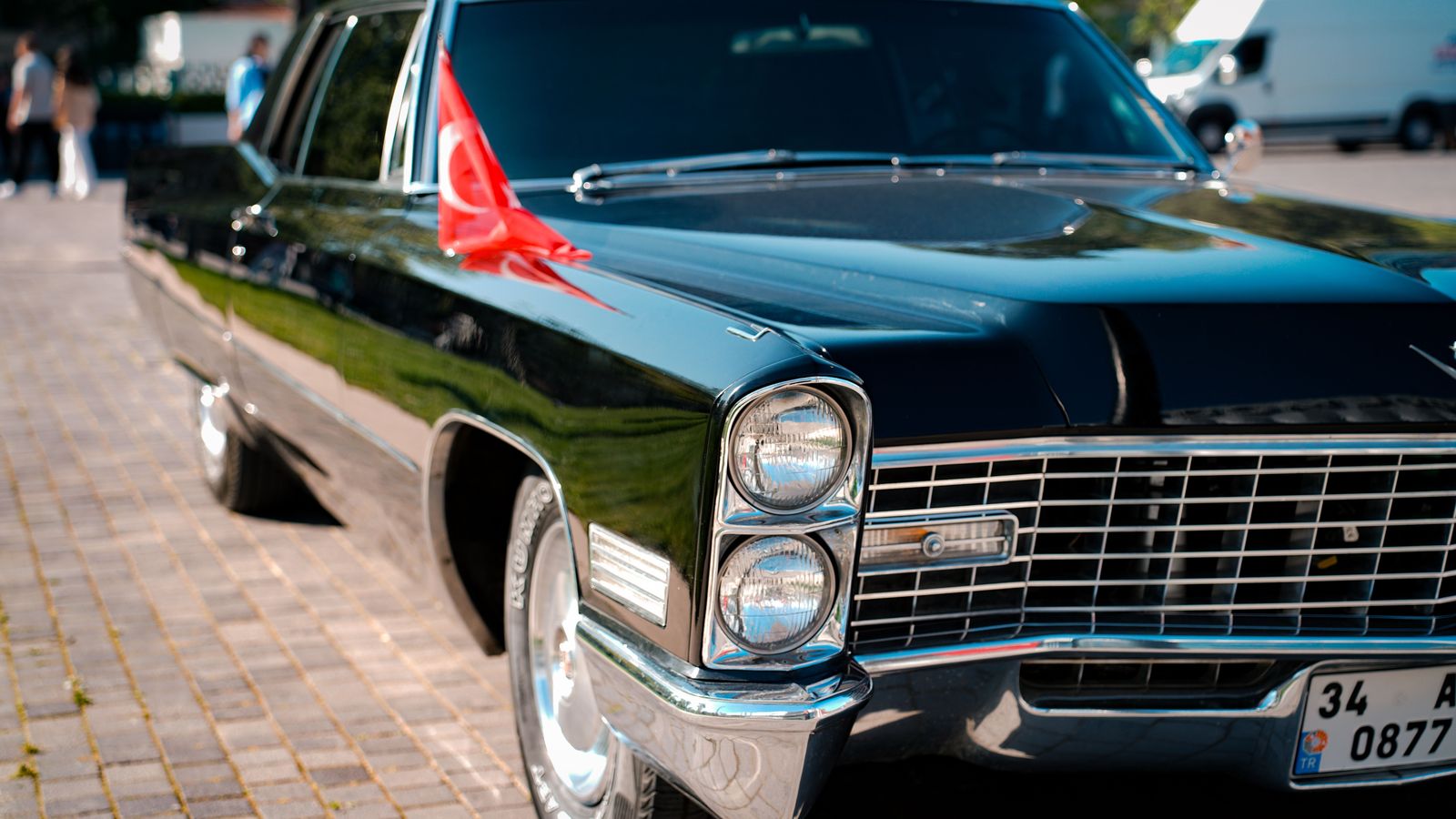
A national flag or a head-of-mission pennant is supplied by the mission and mounted by the chauffeur on the vehicle's bonnet staff or fender, on the side the mission's convention requires, only for the journeys on which the principal is in the car, and cased at all other times. Vehicles are black, unbranded, under five years old and detailed before each engagement; interior flags, seat covers and any other presentation the mission requires are fitted on instruction. Where the mission has a preferred marque - German sedans in some capitals, Japanese in others, American in Washington - the coordinator sources it.
Discretion
Diplomatic passengers discuss in cars what they will not discuss elsewhere, and in some capitals the car is the only place they can. Every RideRutz.com chauffeur signs a confidentiality undertaking covering everything seen and heard, carries no personal phone in the cabin, uses no recording voice assistant, and is removed from the roster for a single breach. Where a mission requires a chauffeur cleared to a particular level, a nationality restriction or a vehicle sweep before an engagement, the requirement is agreed in advance and met or declined honestly. The chauffeur training and protocol page publishes the full standard, and the privacy policy describes the minimum record kept of any journey.
Capitals and conference cities
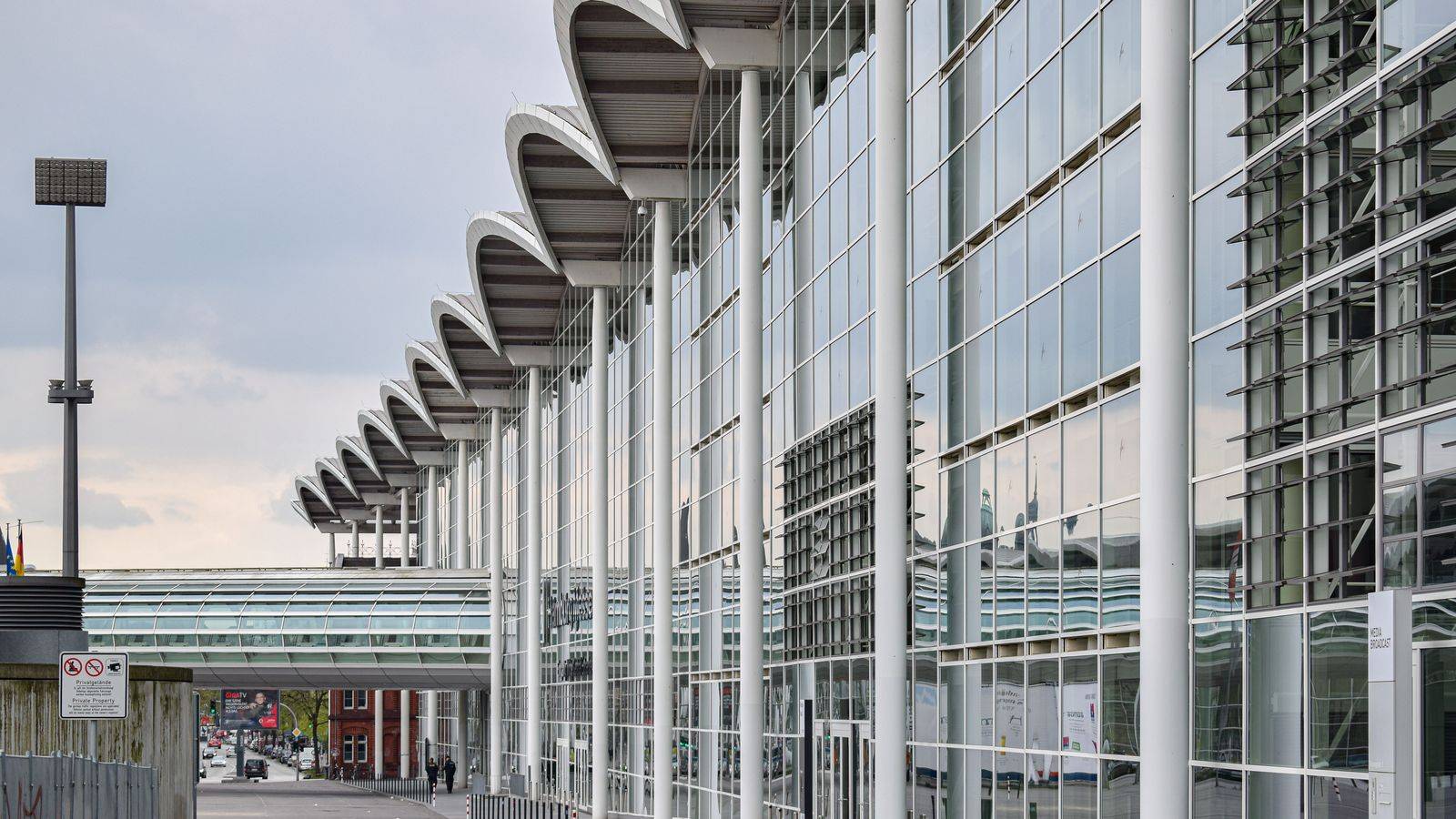
Diplomatic work concentrates in capitals and in the cities that host international organisations and summits: Washington, New York, Ottawa, Mexico City, Brasilia, London, Paris, Brussels, Berlin, Geneva, Vienna, Rome, Madrid, The Hague, Cairo, Riyadh, Abu Dhabi, Doha, Nairobi, Addis Ababa, New Delhi, Beijing, Tokyo, Seoul, Singapore, Jakarta, Canberra and the rest of the destinations list. In each, chauffeurs know the mission gates, the ministry forecourts and the conference-centre accreditation lanes. Delegations arriving by government or chartered aircraft are met under the private jet and FBO procedure; scheduled arrivals through the airport chauffeur service. Official evenings are run to the gala and event standard, and the worldwide gala calendar lists the summit weeks and state occasions we plan around. The framework within which missions operate is set by the Vienna Convention on Diplomatic Relations; the practical conventions of precedence and hospitality are published by foreign ministries such as the United Kingdom's FCDO.
Arranging diplomatic transport
Missions and ministries open an account so that visits can be booked by the protocol office, coded to the visit and invoiced monthly in the mission's currency; a single official journey can be booked on the reservation engine in the first-class class. For a visit or a delegation, send the programme and a coordinator will return a car plan and a written quote within a working day. Standing arrangements for a mission's recurring needs are agreed with the head of chancery or administration.
A ministerial visit, as the coordinator runs it
The programme arrives from the mission ten days out: a two-day visit by a minister with a delegation of nine. The coordinator builds the car plan - the minister's first-class sedan with a protocol-trained chauffeur, an executive SUV for the minister's security officer and private secretary, a luxury van for the delegation, a spare sedan - and submits vehicle and chauffeur details to the host protocol office and the conference accreditation desk. Two days out, the coordinator drives the programme: the airport's VIP terminal and the host reception point; the ministry forecourt and which gate; the memorial and where a wreath-laying motorcade stops; the hotel's diplomatic entrance; the conference centre's accredited lane; the residence where the dinner is held and its approach. Each is photographed for the chauffeurs' briefing.
On the day, the coordinator meets the mission's protocol officer at the airport and stays with the delegation throughout. The flag is mounted on the minister's car at the airport and cased at the hotel. Every movement leaves in order and arrives in order; every call is on time; when the bilateral overruns by forty minutes, the coordinator has already told the residence and re-sequenced the evening. On departure, the flag is cased after the minister enters the terminal, the chauffeurs stand down, and the mission receives one invoice coded to the visit.
Standing arrangements for missions
Most missions' needs are smaller and more frequent than a ministerial visit: a visiting director-general who needs a car for two days, a trade delegation of six, a cultural attache's guests for a concert, the ambassador's spouse's programme during a summit. A standing arrangement gives the mission's protocol or administration office an account on the reservation engine with the mission's standing instructions - vehicle marques, flag conventions, gate procedures, seating, invoicing currency - recorded once and applied to every booking, an hourly chauffeur pool the office can call on, and a monthly invoice the mission's finance officer can reconcile against the visits. The hourly chauffeur service is the product most missions use most; the VIP chauffeur service standard is applied to guests the mission hosts.
International organisations and conference cities
In Geneva, Vienna, New York, Brussels, Nairobi, The Hague, Paris and the other cities that host international organisations, the diplomatic calendar is the conference calendar: assemblies, councils, committees, review conferences, each bringing delegations that need cars for a week. RideRutz.com's coordinators know the accreditation lanes, the delegate entrances and the hotel diplomatic doors in each, and the conference and summit transportation page describes how a delegation week is run. The United Nations and its agencies, regional organisations and the ministries of the host countries each have their own protocol; the coordinator works to the one that applies.
Fees and invoicing for official work
Diplomatic engagements are priced at the standard hourly or transfer rate for the vehicle class, with the coordinator's time included on any visit or delegation and accreditation, flag mounting and gate procedures included in every booking. Missions are invoiced monthly in the currency they choose, with each visit itemised so that the finance officer can allocate it to the visiting ministry or programme. Where a mission's rules require a purchase order, an advance quotation or a particular invoice format, the coordinator provides it.