









































































































Every RideRutz.com chauffeur - on our own fleet and on every affiliate that fulfils our bookings - is vetted by background, driving-record and reference checks, completes the RideRutz.com training and protocol programme, signs a confidentiality undertaking that survives the engagement, and works to written rules on appearance, arrival, conduct in the cabin, doors and precedence, red-carpet timing, motorcade discipline and what happens when things go wrong. This page publishes the standard so that clients know what to expect and can tell us when it is not met.
Why the standard is published
A chauffeur service sells conduct, and conduct is invisible until it fails. Publishing the standard does three things: it tells a client booking a city they have never used what will happen; it gives a client who was let down something specific to point to; and it binds every affiliate in the network to the same document, because accepting it is a condition of fulfilling RideRutz.com's work. The standard is written for the engagements this site is built around - the hourly corporate day, the gala, the ministerial visit, the talent movement - and applied to every journey, including the airport run at midnight.

Vetting
Before the first engagement, every chauffeur passes: a criminal-record check to the standard the pickup jurisdiction permits; a driving-record check covering at least five years; verification of the commercial passenger licence the city requires and of the right to work; two professional references, at least one from chauffeured or protective work; a road assessment by a RideRutz.com instructor; and an interview in which the confidentiality undertaking is explained and signed. Checks are refreshed annually and on any incident. Affiliates apply the same checks and their files are reviewed on acceptance and on audit.
The training and protocol programme
| Module | What is taught and assessed |
|---|---|
| Arrival and presentation | Fifteen minutes early; engine off; position at the rear kerb-side door; vehicle detailed; cabin set from the profile; the greeting, once, by name and title |
| Door drill | Opening and closing for one, two and four passengers; with luggage; in rain; with a protection officer; at a carpet mark; at a hotel forecourt; never leaving the vehicle unattended with luggage in it |
| Precedence and seating | The seat of honour and who takes it; seating a second principal, an assistant, an interpreter, a protection officer; addressing passengers in order; loading and unloading in order |
| Cabin conduct | Silence unless spoken to; no opinions; no personal phone; no navigation screen in the passenger's line of sight; no music or scent unless asked; temperature, water, newspaper |
| Route and timing | Checking the route on the morning; announcing a change before the passenger notices; waiting where the car can return within two minutes; the chauffeur's number given to the passenger |
| Red-carpet timing | The staging route, the holding area, the mark, the approach at walking pace, the door on the marshal's signal, standing clear of the photographers' line, the release |
| Motorcade conduct | Lead, principal and follow positions; spacing; holding order; intersections; arriving and departing in sequence; working to a police lead or a protection lead |
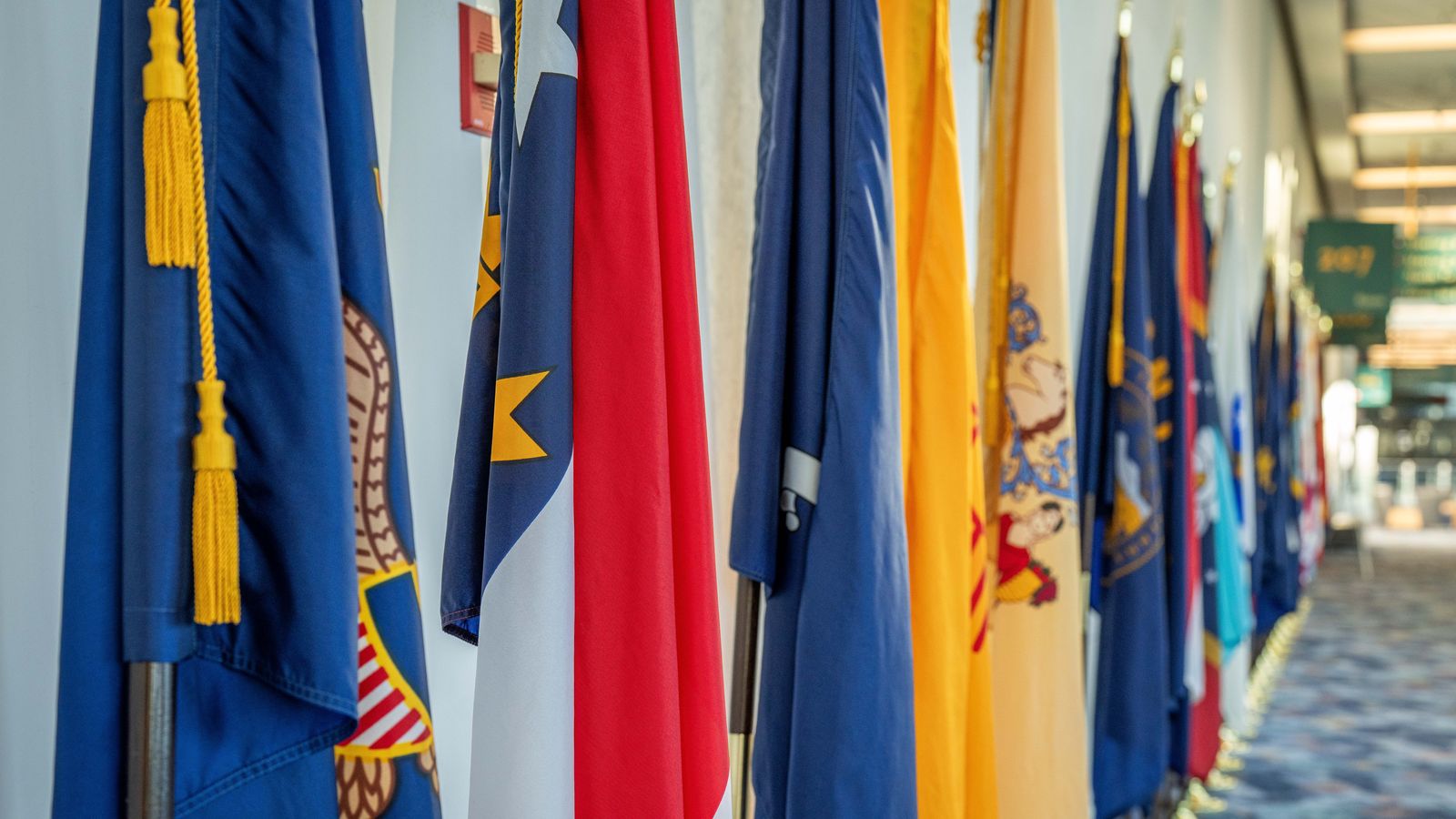
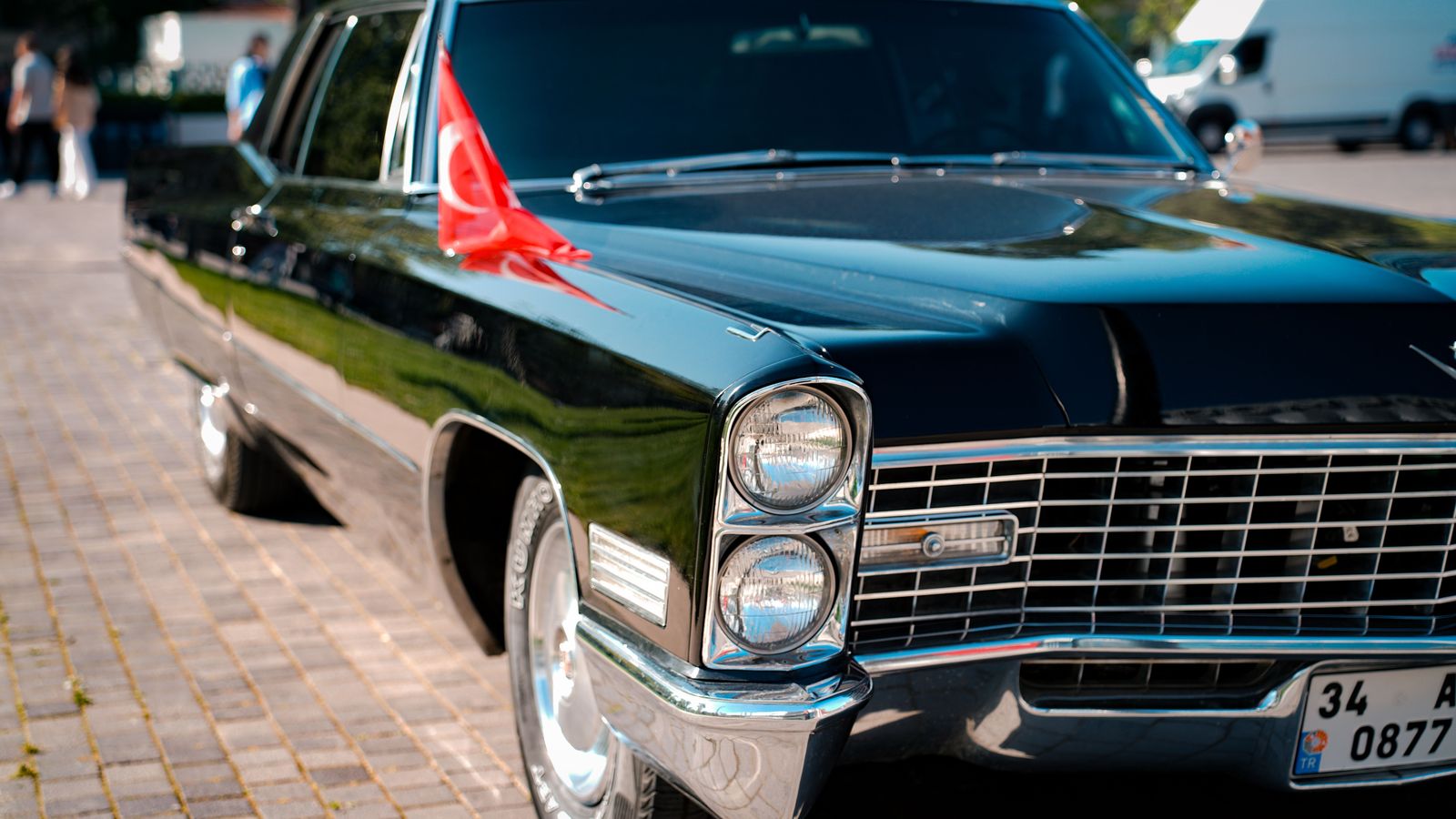
| Flags and official vehicles | Mounting and casing a flag or pennant; the side; when it flies; presentation for a mission |
| Confidentiality | Everything seen and heard; every name and address; no photographs; no social media; no discussion with the next passenger, with family or with dispatch beyond the journey; the undertaking survives the engagement |
| Airports and FBOs | Flight and tail-number tracking; name boards; car-service zones at the 346 airports; ramp-side conduct; customs at the FBO |
| When things go wrong | A late passenger, a lost passenger, a breakdown, an illness in the cabin, a collision, a crowd, an unwanted photographer; who to call; what to say and not say |
| Security module (optional) | Defensive and evasive driving; route reconnaissance; embus and debus drill; convoy driving; radio procedure; medical first response; protected-vehicle handling |
The programme is taught by RideRutz.com's instructors, who come from chauffeured, protocol and protective work, over induction days and refreshed annually. Assessment is on the road and at a mock carpet and a mock motorcade, not by questionnaire. The security module is taken by the chauffeurs who go on to security-trained work and is refreshed annually as a condition of staying on that roster.
Appearance
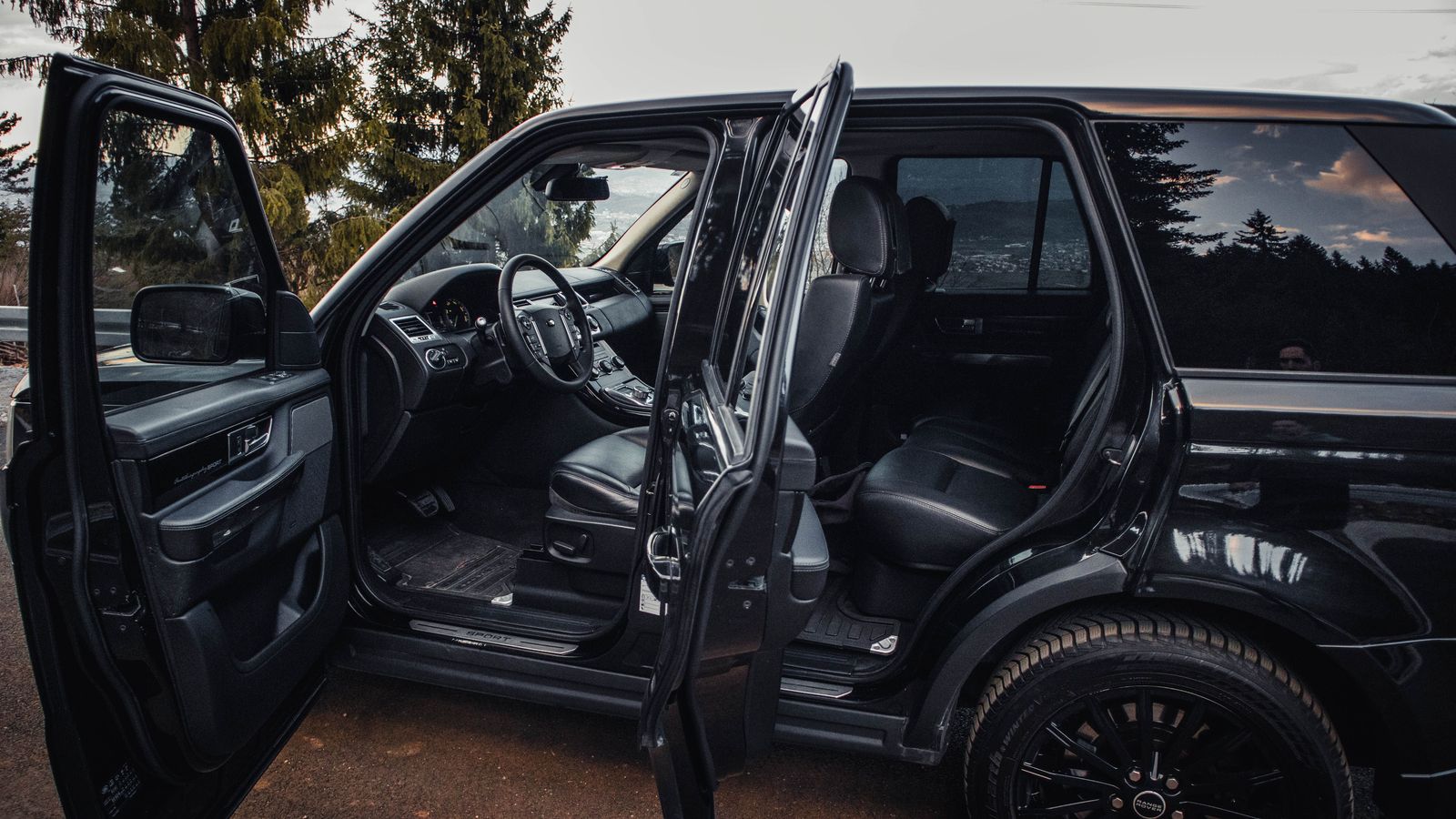
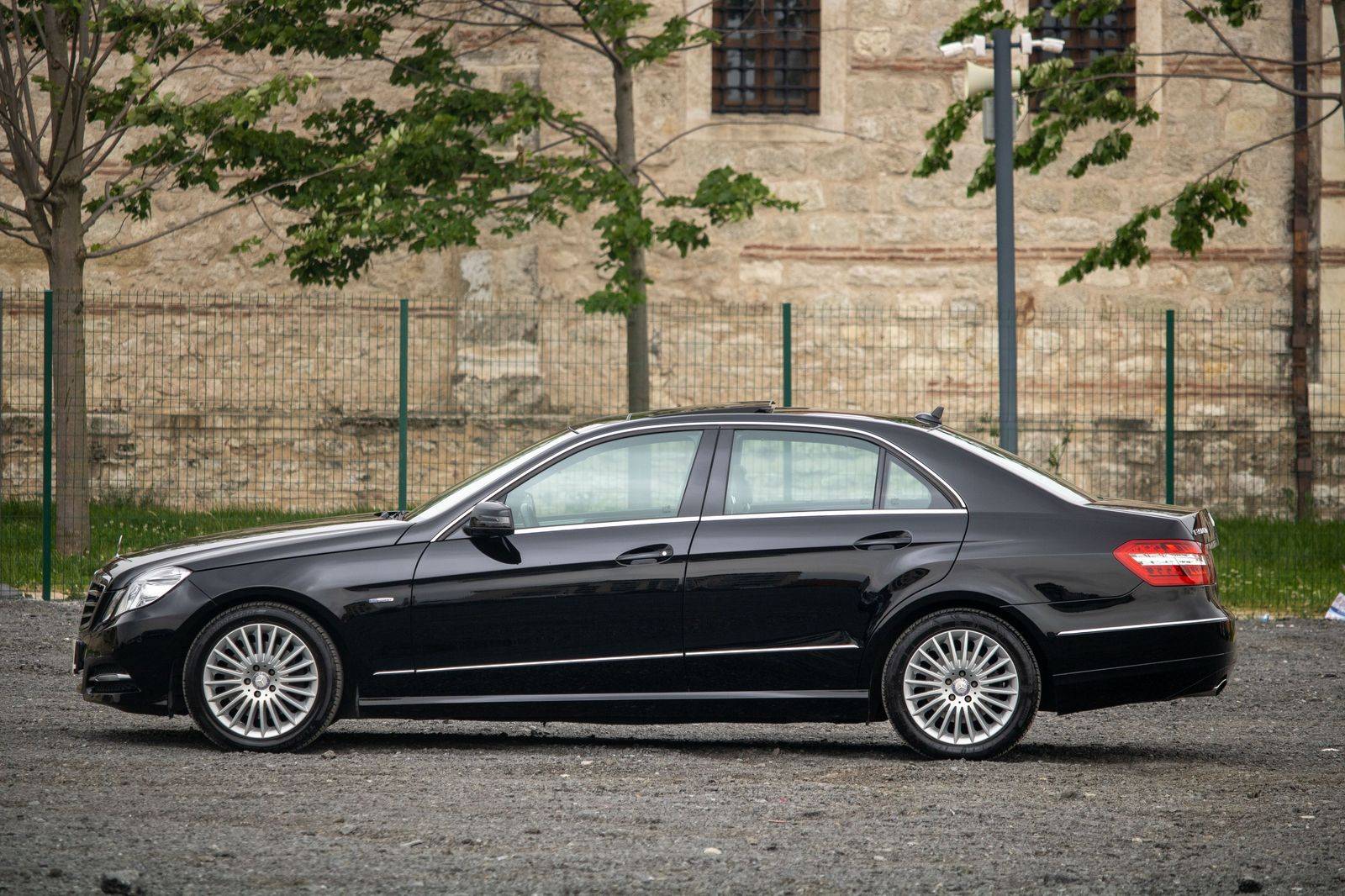
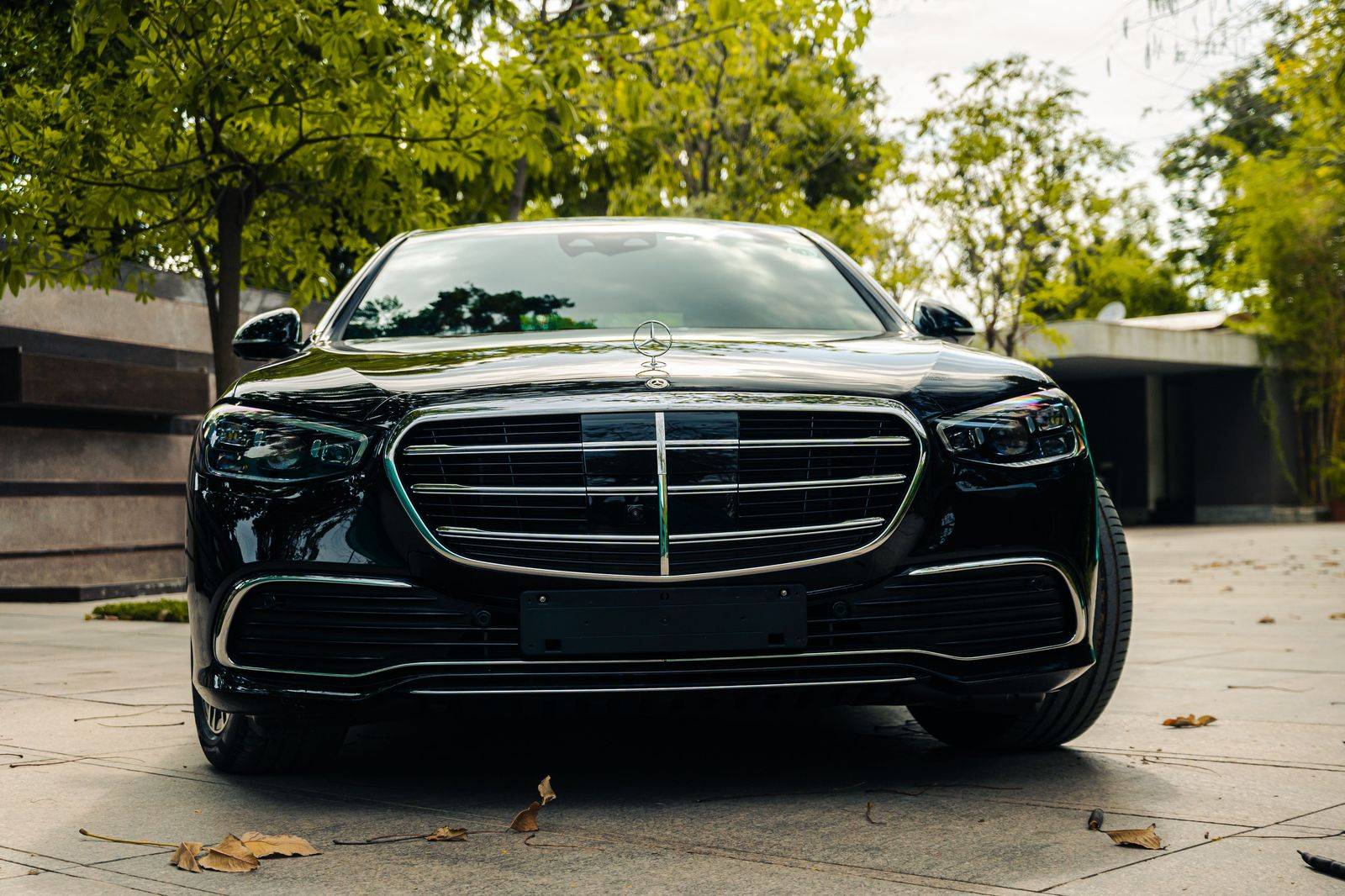
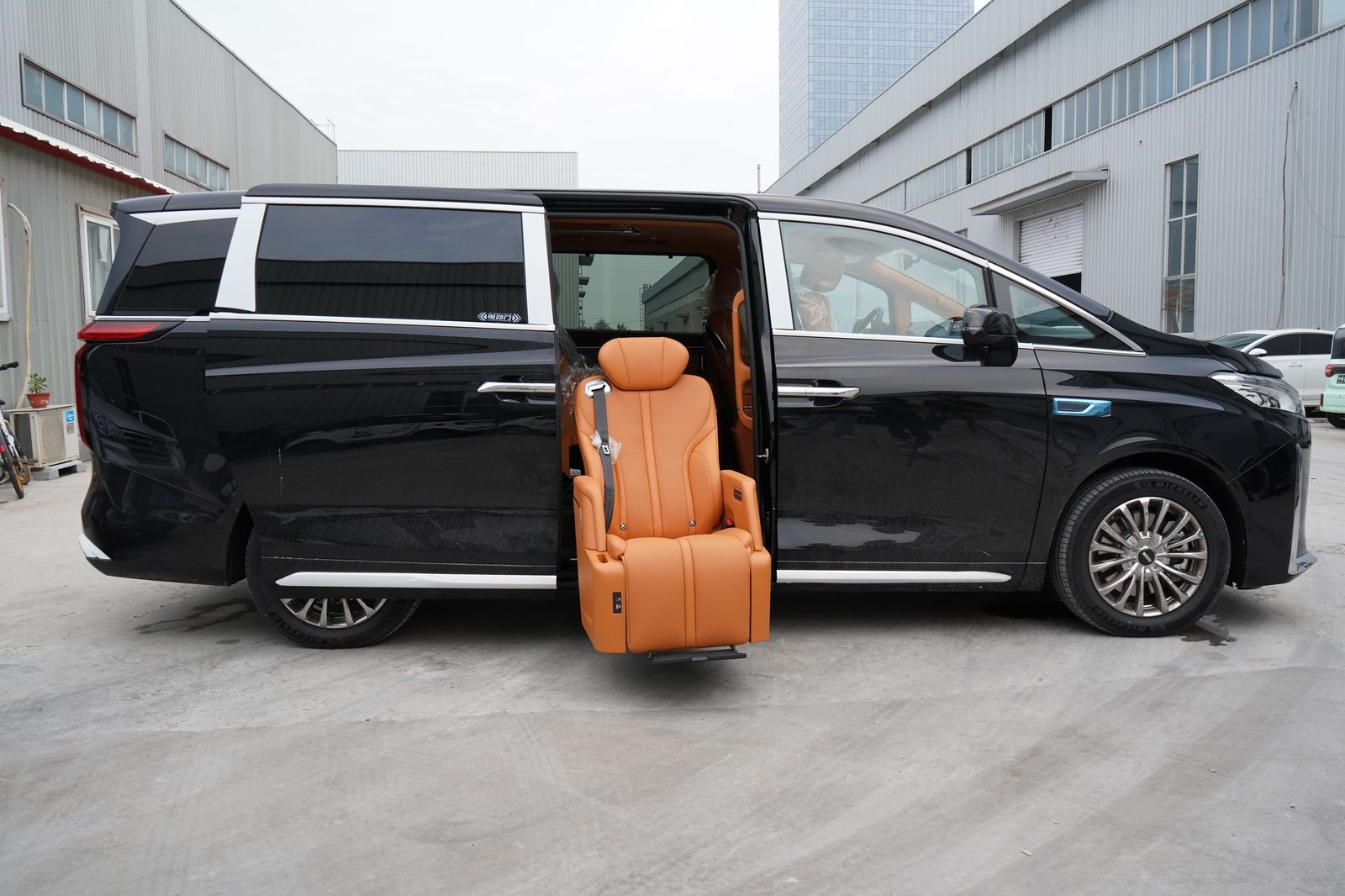
A dark suit, white shirt, plain dark tie, dark shoes polished, no visible logos or jewellery beyond a watch and a wedding ring, hair and beard neat, no fragrance. Where a client requires more or different - a chauffeur's cap, a dinner jacket for a black-tie evening, national dress for a state occasion - it is recorded on the file. The vehicle is black, unbranded, under five years old, detailed before every engagement and checked for tyres, fluids, lights and cleanliness before every movement.
Conduct with the passenger
The chauffeur greets by name and title, once. The chauffeur confirms the destination and the expected time and thereafter speaks only when spoken to or when the passenger needs to know something about the route. The chauffeur does not offer opinions on the city, the traffic, the news or the passenger's business; does not take a personal call; does not accept a gratuity, because it is in the rate; does not photograph, record or post; does not confirm the passenger's identity or destination to anyone at a hotel, a venue or on the street; does not discuss the passenger with anyone, including the next passenger and dispatch beyond what the journey requires. The chauffeur does carry luggage, hold an umbrella, fit a child seat, wait, take direction from whoever the passenger nominates, and stay until the passenger releases the car.
Enforcement
The standard is enforced by three things. The chauffeur's confirmation messages and the passenger's feedback after each journey are read by the coordinator. Affiliates are audited on acceptance and periodically, with a coordinator riding or observing where the account is large. And breaches have consequences: a single breach of confidentiality removes a chauffeur from the roster permanently; a lapse in conduct is a written notice and retraining; a second is removal; an affiliate that falls short twice is removed from RideRutz.com's roster in that city. Clients who experience a lapse are asked to tell dispatch at the time or the coordinator afterwards; the fare is adjusted or refunded where the standard was not met. The standard exists to be enforced, and the terms of service say so.
Where the standard comes from
The conventions on precedence and seating are drawn from the published practice of protocol offices - the U.S. Department of State (Office of the Chief of Protocol), Global Affairs Canada and their counterparts - and from the motorcade and protocol etiquette guide on this site, which sets them out for clients. The conduct and appearance rules follow the Limousine Association International code to which RideRutz.com and its affiliates subscribe. The security module follows the practice of corporate and government protection programmes, described by ASIS International. What RideRutz.com adds is the insistence that every chauffeur in every city has actually practised them, and the willingness to publish the document.
Becoming a RideRutz.com chauffeur
Chauffeurs and operators who want to work with RideRutz.com are invited to apply through the LimousineWorldwide.Directory and the contact page. The requirements are those above; the induction is paid; the work is the engagements described on this site.
A day in the life of the standard
07:10. The chauffeur is at the hotel twenty minutes before an 07:30 hourly engagement, engine off, at the rear kerb-side door, the first-class sedan detailed at 05:30, the cabin at 20 degrees, water and the Financial Times on the seat, the route to the first meeting checked at 06:45 for the roadworks that started overnight. 07:30. The principal appears; the chauffeur greets her by name and title, once, opens the door, closes it, confirms the destination and the twelve-minute drive, and says nothing further. 07:42. The chauffeur has the door open before she reaches for it and holds the car in the loading bay her office's security agreed. 09:15. A message: the next meeting has moved across town. The chauffeur is at the door in ninety seconds, announces the new drive time before she asks, and drives in silence while she takes a call the chauffeur will never mention. 12:40. Rain. The umbrella is at the door. 15:00. A second passenger, her chairman; the chauffeur seats him behind the front passenger seat without a word about precedence, because he already knows. 18:30. The engagement ends at a restaurant; the chauffeur confirms she has everything, wishes her a good evening, and the receipt shows eleven hours and one parking fee. The next morning, another city, another chauffeur, the same eleven hours.
The carpet and the motorcade, rehearsed
The two modules clients ask about most are taught on a mock carpet and a mock motorcade because they cannot be taught in a classroom. On the carpet, chauffeurs practise the approach at walking pace, the stop with the rear kerb-side door exactly on a mark, the wait for the marshal's signal, the door, the step back out of the photographers' line, and the release, until a car can be delivered to a mark within a metre and a door opened within a second of the signal, twenty times without variation. On the motorcade, chauffeurs practise lead, principal and follow positions, the spacing set by the lead, holding order through intersections, arriving and departing in sequence, and the actions at an unplanned stop, first at low speed on a closed course and then on the road behind an instructor. The gala and event transportation and diplomatic chauffeur service pages describe the engagements these modules serve.
Instructors and refresher training
RideRutz.com's instructors are drawn from chauffeured work, protocol offices and protective driving, and each module is taught by someone who has done the work rather than read about it. Every chauffeur is refreshed annually on the road and at the mock carpet; chauffeurs on the security roster refresh the security module annually as a condition of staying on it; and any incident - a complaint, a collision, a lapse - triggers retraining before the chauffeur's next engagement. Affiliates' instructors are trained by ours and their programmes reviewed on acceptance and audit. Clients with a particular requirement - a mission's gate procedure, a venue's unusual carpet, a family's routine - can have chauffeurs briefed or rehearsed for it by the coordinator before the engagement.
What clients can ask of a chauffeur
Everything in the conduct section, and anything reasonable that a passenger nominates: a stop, a wait, a package collected, a child seat fitted, a route preferred, a language spoken where the roster allows, a name used or not used, an entrance avoided. What clients cannot ask is anything the standard forbids - a photograph, a confirmation of a passenger's identity to a third party, a comment on another passenger - because the standard protects every client equally. The FAQ answers the questions passengers most often ask before their first engagement.