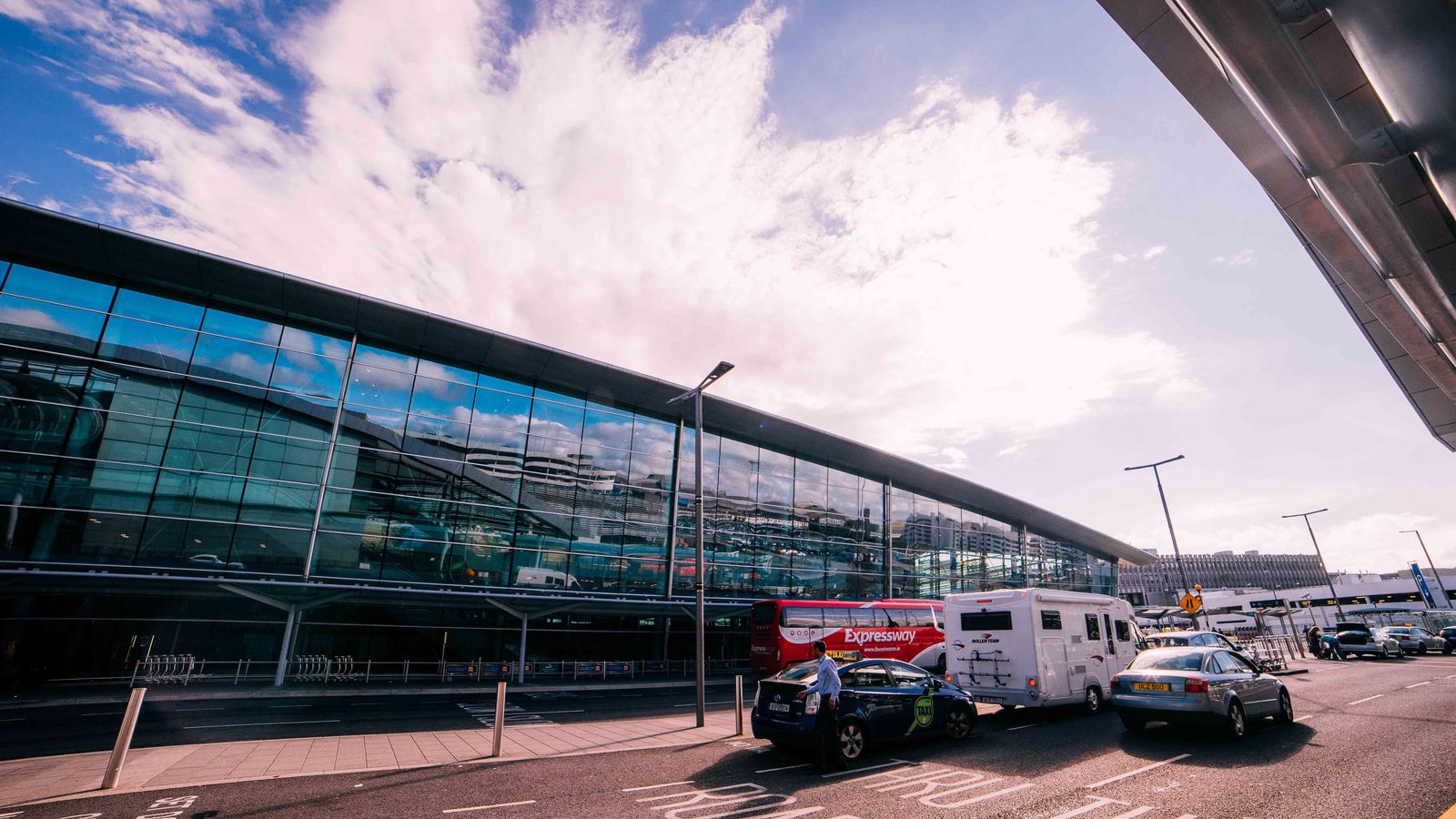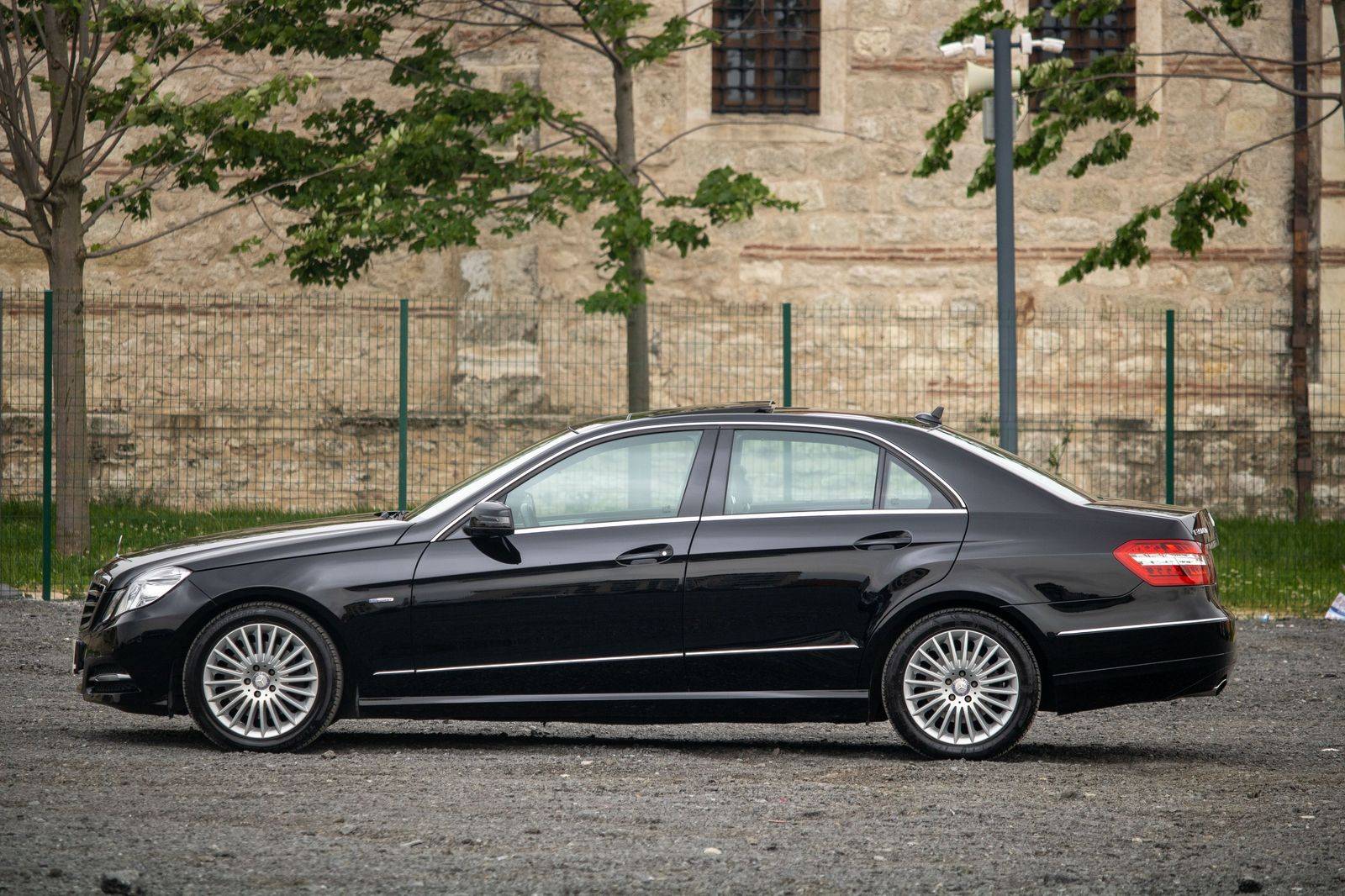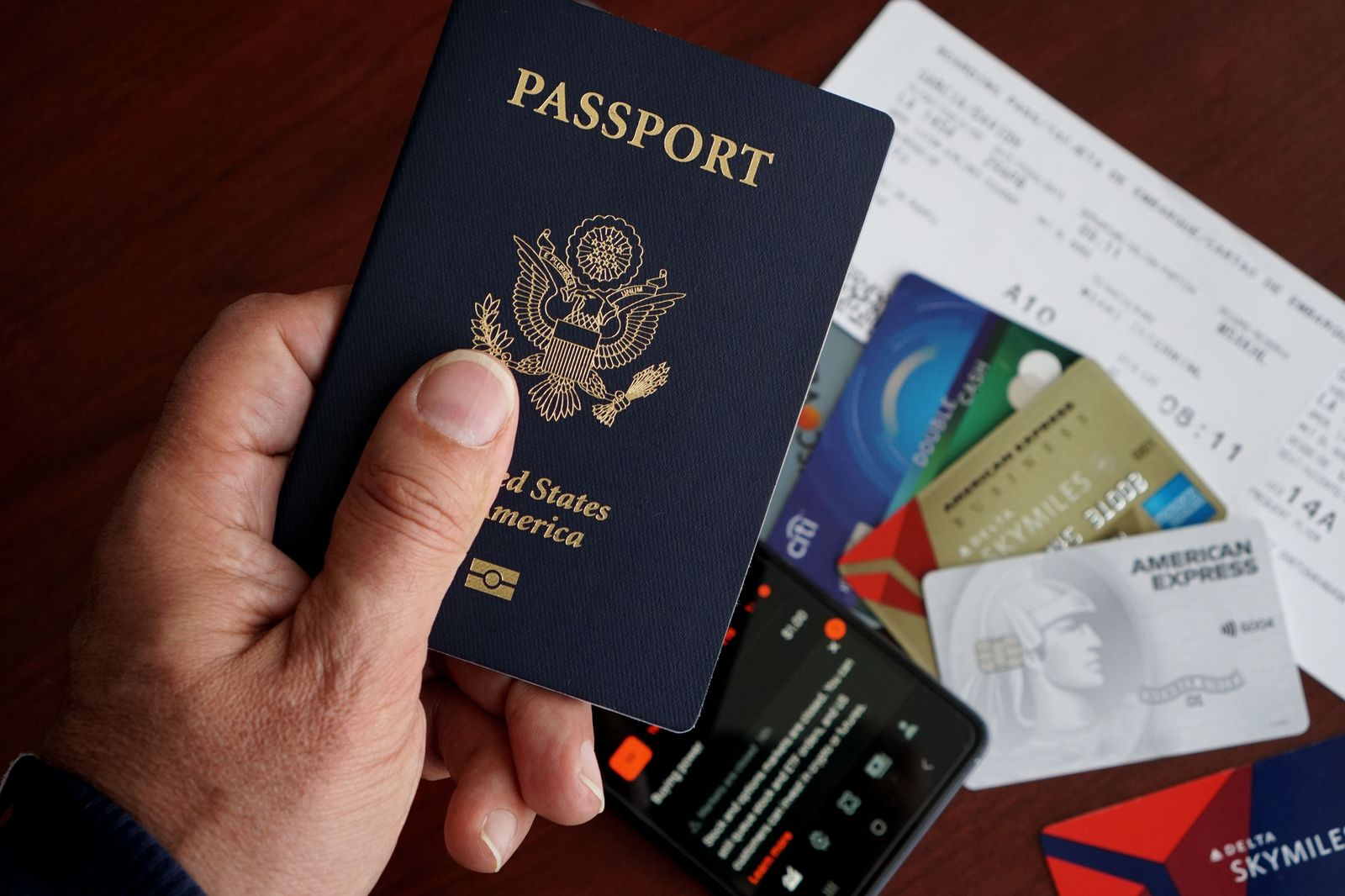










































































































RideRutz.com's global chauffeur service is the arrangement by which one client - a company, a mission, an agency, a family office - books chauffeured cars in any of 107 countries and 363 cities on a single account, with the passenger's profile applied everywhere, the same vehicle classes and chauffeur standard delivered everywhere, fulfilled by operators vetted through the LimousineWorldwide.Directory network, and coordinated by a desk that is staffed around the clock across time zones.
The problem a global service solves
An organisation whose people travel internationally faces a choice: appoint a car company in every city, and manage fifty suppliers, fifty invoice formats and fifty ideas of what "executive sedan" means; or use a ride-hail app everywhere, and accept that the app's premium tier is a different car with a different driver every time and no one to call. Neither gives an assistant in Toronto any confidence about what will happen to a principal landing in Jakarta at midnight. The global chauffeur service is the third option: one supplier, one standard, one account, with the local knowledge of a chauffeur from each city and the accountability of a desk that knows the client.
How the standard travels
RideRutz.com writes its standard down - the vehicle classes, the chauffeur training and protocol, the arrival, waiting, confidentiality and conduct rules on every service page - and fulfils bookings only through operators that accept it as a condition of the work. Those operators are drawn from the LimousineWorldwide.Directory, whose members are vetted for licensing, insurance, vehicle standards and conduct, and are held additionally to the Limousine Association International code. Where RideRutz.com's own fleet operates, the standard is applied directly; where an affiliate fulfils, the affiliate applies it and RideRutz.com's coordinator checks it. A chauffeur in Doha and a chauffeur in Geneva are held to the same document.
The passenger's profile travels with the booking: the class, the seat, the temperature, the newspaper, the kerb or the name board, the standing instructions. The account's rules travel too - which grades may book which classes, which cost centres apply, whether approval is needed - so that a company's policy is enforced in Lagos as it is in London. And the desk travels in the sense that matters: the coordinator who opened the account is the one the assistant calls about Jakarta, and dispatch answers in Jakarta's night as it does in Toronto's day.
Coverage
| Region | Countries | Examples of gateway cities |
|---|---|---|
| Americas | 24 | New York, Washington, Chicago, San Francisco, Los Angeles, Miami, Toronto, Montreal, Vancouver, Mexico City, Sao Paulo, Buenos Aires, Santiago, Bogota, Lima, Panama City |
| Europe | 38 | London, Paris, Frankfurt, Munich, Berlin, Zurich, Geneva, Milan, Rome, Madrid, Barcelona, Lisbon, Amsterdam, Brussels, Vienna, Stockholm, Copenhagen, Oslo, Helsinki, Dublin, Warsaw, Prague, Athens, Istanbul |
| Middle East and Africa | 22 | Dubai, Abu Dhabi, Doha, Riyadh, Jeddah, Muscat, Manama, Kuwait City, Amman, Cairo, Casablanca, Nairobi, Lagos, Accra, Johannesburg, Cape Town, Addis Ababa |
| Asia-Pacific | 23 | Tokyo, Seoul, Beijing, Shanghai, Hong Kong, Taipei, Singapore, Kuala Lumpur, Bangkok, Jakarta, Manila, Ho Chi Minh City, Mumbai, Delhi, Bangalore, Sydney, Melbourne, Auckland |
The destinations page lists every country with its capital, its gateway airport and every city with rates on the engine; the airports page lists the 346 airports with pickup procedures pre-loaded. Anywhere not listed is booked by address and fulfilled through the network to the same standard, with the coordinator saying plainly where a small city's fleet is thin.
Who uses the global service
Multinational companies, on a corporate account, for executives who move between offices and for the roadshows and conferences their people attend. Foreign ministries and international organisations, for officials whose visits cross several capitals. Agencies and management companies, for talent on tour. Family offices, for principals and families who divide the year between cities. Event organisers, whose galas and festivals move from city to city through the calendar. And travel-management companies and travel advisers who want a single ground supplier for clients whose itineraries they hold. In each case the unit is the account, and the account works the same way everywhere.
A journey across four countries, on one file
A chief executive leaves Toronto on Monday for London, Frankfurt, Riyadh and Singapore, returning on Saturday. The assistant books the whole week on the reservation engine in one sitting: five airport arrivals under the airport chauffeur service procedure, four hourly days, five departures. The profile - first-class sedan, name board, rear right seat, 20 degrees, the Financial Times, no conversation - applies to each. A chauffeur in each city is briefed identically. The Frankfurt flight is late; the Frankfurt chauffeur is repositioned and the Frankfurt hourly day starts an hour later with no change to the rate. The Riyadh chauffeur has the compound gate procedure and the Singapore chauffeur the tower's basement drop-off. On Saturday the assistant receives one invoice, coded to one cost centre, with every journey itemised, and the principal has met five chauffeurs who behaved as one.
Currencies, invoicing and law
Global accounts are invoiced monthly in one currency of the client's choosing, with each journey shown in the local currency and the account currency and tolls and parking converted at cost. Local taxes are applied where the law of the pickup city requires and itemised. Every chauffeur holds the licence the pickup city requires, every vehicle carries commercial passenger insurance in the pickup country, and certificates are supplied for the account file. Travel policies that follow Global Business Travel Association guidance on duty of care are met by the journey record the account holds for every trip; the privacy policy explains how passenger data is handled across borders. Government travel advisories, such as the U.S. Department of State's, inform the coordinator's planning in every city.
Opening a global account
A global account is opened in a working day from the client's traveller list, cost-centre structure, invoicing currency and policy rules, and is live on the reservation engine the next morning. Send the brief or call the desk; the travel desk can add flights and hotels to the same invoice for clients who want one supplier for the whole trip.
What "the same standard" does not mean
It does not mean the same car. An executive SUV in Dallas is an Escalade; in Tokyo it is a Toyota Alphard or a Lexus LM, because that is what the market runs and what a Japanese principal expects. It does not mean the same driving style: a chauffeur in Rome drives a Roman road as a Roman does, within the conduct rules. It does not mean the same price: rates on the engine follow the city, and the rates guide shows the tiers. What it means is the same specification for each class, the same vetting, the same training, the same conduct, the same arrival and waiting rules, the same confidentiality undertaking, the same fixed-rate structure and the same desk - so that the assistant who books Jakarta knows what will happen, and the principal who lands there is met by someone who behaves as the London chauffeur did.
How affiliates are vetted and checked
An operator fulfilling RideRutz.com bookings in a city is first a member of the LimousineWorldwide.Directory, which requires licensing, commercial insurance and a vehicle standard as a condition of listing. It is then accepted by RideRutz.com after a review of its fleet, its chauffeur vetting, its dispatch and its conduct record, and after it signs the RideRutz.com standard. Its first engagements are checked by the coordinator through the chauffeur's confirmation messages, the passenger's feedback and, where the account is large, a coordinator on the ground. Operators that fall short are given one written notice and then removed. The Limousine Association International code applies in addition. Clients who want to see the vetting file for a particular city may ask their coordinator.
Multi-city programmes
The global service is where RideRutz.com's programme work lives: a roadshow across five financial centres, a tour across twelve cities, an award season across three, a delegation that moves from one summit to the next, a family that spends the year between four homes. Each is one file with one coordinator who holds the whole sequence, briefs each city identically and re-plans across cities when a flight is late or a date moves. The travel desk handles the flights and hotels between the cities for clients who want one supplier, and the FAQ answers the questions travel managers ask before moving a programme onto a single account.
Time zones, languages and the desk
A global account is only as good as the desk behind it at three in the morning. RideRutz.com's dispatch is staffed around the clock and reaches the chauffeur in any city directly; the account's coordinator is available in the client's working hours and reachable through dispatch outside them; and confirmations, changes and receipts are issued in English with local-language chauffeur messages where the passenger prefers. Chauffeurs are chosen for language where the profile asks - an Arabic-speaking chauffeur in London, a Japanese-speaking one in Paris, a Mandarin-speaking one in Vancouver - and the coordinator says in advance where a language cannot be met. Currency, tax and invoice conventions follow the client's finance team's needs, and the contact page reaches the desk in every time zone.